Editor's Guide · Updated September 2026

The Best Electric SUVs

The short answer

The Kia EV9 is our top pick, offering unmatched three-row space, ultra-fast 800V charging, and build quality that rivals German luxury brands for significantly less money. If you prioritize driving dynamics, buy the Porsche Macan Electric. For maximum efficiency and route-planning simplicity, the Tesla Model Y remains the default choice.

The electric SUV market has finally matured past the era of early-adopter compromises. We are now seeing a critical mass of vehicles built on dedicated EV platforms rather than adapted combustion chassis, meaning better packaging, flatter floors, and more predictable range. Crucially, the shift toward 800-volt architectures in mainstream models has drastically cut highway charging times, making electric road trips a reality rather than a logistical puzzle.

However, buyers must still navigate a minefield of hyperbole. Official WLTP range figures remain wildly optimistic, often overstating real-world highway capabilities by 20 percent or more. This guide cuts through the marketing static. We have ranked the current crop of electric SUVs based on real-world range at 70 mph, actual charging curves, usability, and interior durability.

We update this guide quarterly as new models hit the market and over-the-air updates alter charging curves. Our testing is fully independent; we do not accept manufacturer hospitality.

At a glance

PickAwardReal-World Highway RangeMax Charge RateBoot Capacity (Seats Up)Electrical ArchitecturePrice
Kia EV9Best overall260 miles210 kW571 liters (3rd row down)800V$55k - $75k
Porsche Macan ElectricBest for driving dynamics275 miles270 kW540 liters800V$80k - $105k
Tesla Model Y (Long Range)Best for efficiency and charging access290 miles250 kW854 liters (includes frunk)400V$45k - $55k
BMW iX xDrive50Best for luxury and comfort305 miles195 kW500 liters400V$87k - $110k
Rivian R1S (Gen 2 Dual Motor)Best for maximum utility and off-road capability310 miles220 kW889 liters (3rd row down)400V$75k - $95k
Polestar 3Best alternative luxury crossover285 miles250 kW484 liters400V$73k - $85k

The picks

01 · Best overall

Kia EV9

Best for: Families who need genuine space and rapid highway charging without paying a premium badge tax.

The EV9 proves you do not need a premium badge to get flagship-level electric performance. Built on Hyundai-Kia's stellar E-GMP architecture, its biggest trick is an 800-volt electrical system that holds a 210 kW charge rate deep into the battery's state of charge, meaning a 10 to 80 percent top-up takes just 24 minutes on a capable charger. Inside, it offers genuine three-row seating—adults can actually sit in the third row without their knees touching their chins—and retains physical buttons for essential climate controls. It outclasses the Tesla Model X on build quality and rides vastly better than a Model Y. The downside? Its bluff, squared-off aerodynamics mean consumption spikes heavily above 70 mph, so you will not see the claimed maximum range on highway road trips. Expect closer to 260 miles when loaded with family and luggage.

Real-World Highway Range
260 miles
Max Charge Rate
210 kW
Boot Capacity (Seats Up)
571 liters (3rd row down)
Electrical Architecture
800V
Pros
  • + Incredible charging speed curve
  • + Genuine space for seven adults
  • + Excellent physical ergonomics and buttons
Cons
  • Aerodynamic drag hurts high-speed efficiency
  • Noticeable wind noise around the A-pillars at speed

Typical price: $55k - $75k

02 · Best for driving dynamics

Porsche Macan Electric

Best for: Keen drivers who want Porsche handling but need the ground clearance of a crossover.

Porsche delayed the Macan Electric for years to get the software right, but the wait delivered the most dynamically capable electric SUV on sale. Sharing the Premium Platform Electric (PPE) architecture with Audi, it masks its heavy curb weight with rear-wheel steering and dual-valve dampers that provide astonishing body control. It steers with the trademark Porsche weight and precision, making the BMW iX feel entirely disconnected from the road. Crucially, the 800-volt system peaks at 270 kW, translating to rapid 20-minute highway splashes. However, packaging is a glaring weak point. The sloping roofline eats into rear headroom, making it claustrophobic for taller passengers, and the options list remains punishingly expensive. If you need a highly practical family hauler, skip it. If you want a sports car tailored for the school run, this is it.

Real-World Highway Range
275 miles
Max Charge Rate
270 kW
Boot Capacity (Seats Up)
540 liters
Electrical Architecture
800V
Pros
  • + Class-leading chassis and steering response
  • + Exceptional peak charging speeds
  • + High-quality, driver-focused cabin
Cons
  • Tight rear seating and headroom
  • Base prices swell rapidly with necessary options
  • Complex infotainment menus

Typical price: $80k - $105k

03 · Best for efficiency and charging access

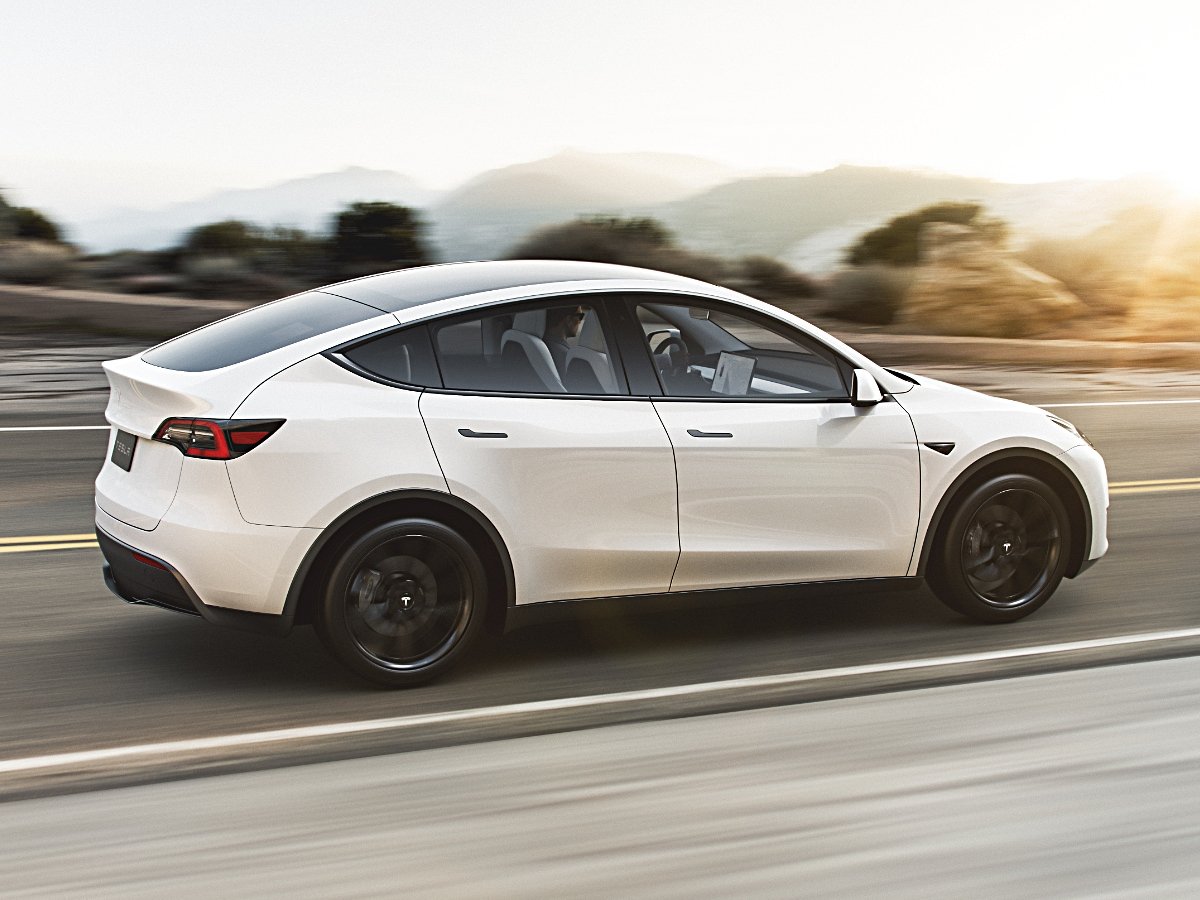
Tesla Model Y (Long Range)

Best for: Pragmatists who prioritize maximum range, software reliability, and storage space.

Even deep into its lifecycle, the Model Y remains the undisputed benchmark for packaging and drivetrain efficiency. Tesla manages to extract more interior space and storage—including a cavernous front trunk—out of a smaller footprint than any legacy automaker. On highway loops, its aerodynamic teardrop shape and highly optimized motors consistently beat the real-world figures of rivals carrying much larger, heavier batteries. Furthermore, the native software and seamless integration with the Supercharger network still remove all anxiety from long-haul driving. Yet, it shows its age in refinement. The ride remains brittle and crashy over broken pavement compared to the Polestar 3 or BMW iX, and the ultra-minimalist cabin, devoid of a driver display or physical wiper stalks, alienates buyers who expect traditional premium ergonomics.

Real-World Highway Range
290 miles
Max Charge Rate
250 kW
Boot Capacity (Seats Up)
854 liters (includes frunk)
Electrical Architecture
400V
Pros
  • + Unbeatable drivetrain efficiency
  • + Massive cargo capacity for its footprint
  • + Flawless route planning and charging integration
Cons
  • Harsh ride quality on uneven roads
  • Over-reliance on the touchscreen for basic functions
  • Ubiquity means zero exclusivity

Typical price: $45k - $55k

04 · Best for luxury and comfort

BMW iX xDrive50

Best for: Luxury buyers prioritizing ride quality, cabin silence, and premium materials over outright charging speed.

The iX forces you to look past its challenging exterior styling to appreciate an absolute masterpiece of an interior. BMW utilized a carbon-fiber reinforced plastic cage to keep weight somewhat in check, but the real benefit is the structural rigidity that allows the air suspension to work flawlessly. It glides over tarmac imperfections that would cause a Tesla Model Y to shudder violently. The cabin materials are exceptional, blending open-pore wood, crystal glass, and wool-blend fabrics to create a lounge-like atmosphere that shames the glossy plastics found in Mercedes-Benz's EQ lineup. The primary compromise is the older 400-volt architecture. While it sustains its 195 kW peak charge rate reliably, it simply cannot replenish miles as fast as the 800-volt systems in the Kia EV9 or Porsche Macan.

Real-World Highway Range
305 miles
Max Charge Rate
195 kW
Boot Capacity (Seats Up)
500 liters
Electrical Architecture
400V
Pros
  • + Peerless ride quality and cabin isolation
  • + Stunning, high-quality interior materials
  • + Excellent stereo and infotainment system
Cons
  • Polarizing exterior design
  • Average 400V charging speeds
  • Relatively small boot for its exterior footprint

Typical price: $87k - $110k

05 · Best for maximum utility and off-road capability

Rivian R1S (Gen 2 Dual Motor)

Best for: Outdoor enthusiasts who need massive payload capacity, genuine off-road capability, and space for large gear.

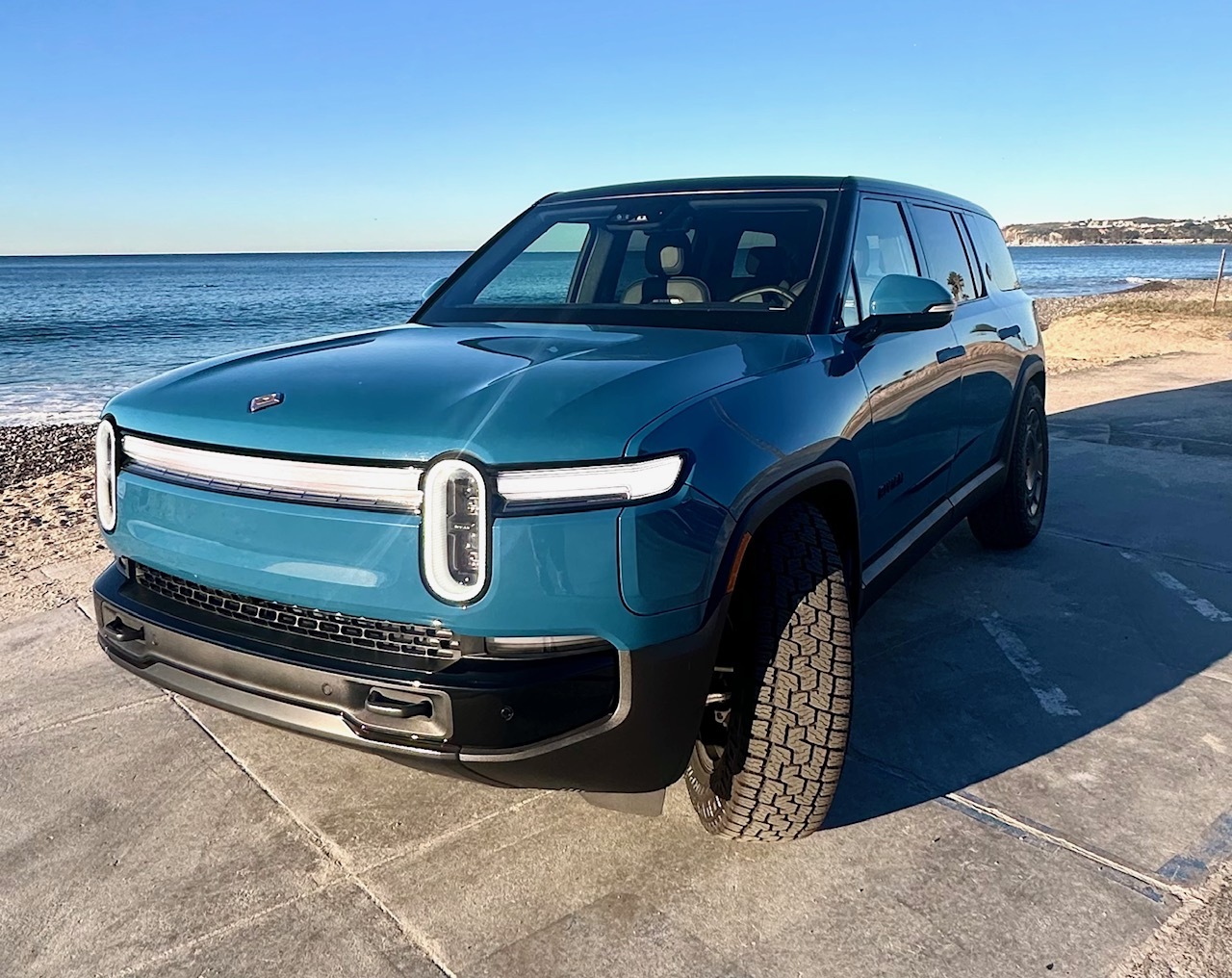
Rivian’s second-generation R1S looks largely identical on the outside, but underneath, it is a vastly superior machine to the original. With fully in-house developed drive units and a radically simplified electrical architecture, it delivers smoother power delivery and much better thermal management. The revised air suspension finally cures the harsh, pitch-heavy ride of the first generation, making it a genuinely comfortable daily driver. For sheer utility, it remains unmatched: the frunk is large enough for a cooler, and with the seats folded, it swallows more cargo than anything short of a long-wheelbase SUV. Off-road, the software offers granular wheel control that mechanical differentials struggle to match. The trade-off is highway efficiency. Pushing this much aerodynamic drag through the air means you will consume electrons at an alarming rate above 70 mph.

Real-World Highway Range
310 miles
Max Charge Rate
220 kW
Boot Capacity (Seats Up)
889 liters (3rd row down)
Electrical Architecture
400V
Pros
  • + Massive combined storage across trunk and frunk
  • + Vastly improved ride quality in Gen 2
  • + Outstanding off-road traction software
Cons
  • Poor aerodynamic efficiency at highway speeds
  • Large footprint makes city parking difficult

Typical price: $75k - $95k

06 · Best alternative luxury crossover

Polestar 3

Best for: Design-conscious buyers who want sharp handling and a low-slung seating position.

Polestar’s flagship SUV focuses heavily on driving dynamics and design restraint. Featuring a torque-vectoring dual-clutch rear axle, it rotates into corners with a fluidity and eagerness rarely found in a vehicle weighing over 2.5 tons. The seating position is aggressively low for an SUV, making it feel more like a raised estate car—a stark contrast to the high-riding Rivian R1S. The Android Automotive infotainment system is deeply integrated, lightning-fast, and natively runs Google Maps for flawless battery preconditioning. The cabin exudes a cool, minimalist Scandinavian aesthetic that relies on sustainable materials rather than traditional leather. However, this focus on sleek design compromises ultimate practicality. The boot capacity is merely average, and the aggressive roofline limits vertical cargo space. It is for the buyer who wants sports car dynamics without the polarizing Porsche badge.

Real-World Highway Range
285 miles
Max Charge Rate
250 kW
Boot Capacity (Seats Up)
484 liters
Electrical Architecture
400V
Pros
  • + Superb torque-vectoring rear axle
  • + Excellent Google-native infotainment
  • + Distinctive, low-slung design
Cons
  • Shallow boot space
  • Visibility out the rear window is poor
  • High starting price

Typical price: $73k - $85k
How to choose

Prioritize Aerodynamics Over Battery Size

It is tempting to simply buy the SUV with the largest battery capacity in kilowatt-hours (kWh). However, at highway speeds, pushing a bluff, heavy box through the air requires exponential amounts of energy. A sleek crossover with an 80 kWh battery will often outlast a boxy, traditional-looking SUV with a 100 kWh battery on a road trip, while costing less to charge and handling better due to the lower weight.

400V vs. 800V Architecture

The electrical architecture of the car dictates how fast it can accept a charge. Older 400-volt systems (used by Tesla, BMW, and Rivian) typically max out around 200-250 kW and taper off quickly. Newer 800-volt systems (found in Kia, Hyundai, and Porsche) allow for thinner internal cabling, less heat generation, and sustained charging speeds of 230-270 kW. If you frequently drive long distances, an 800V car will shave roughly 10 to 15 minutes off every charging stop.

The Importance of Route Planning and Preconditioning

An EV is only as good as its software. To achieve peak charging speeds, an EV battery must be warm when it arrives at the plug. Vehicles with excellent native navigation (like Tesla or Polestar's Google-based system) will automatically 'precondition' (heat) the battery when you route to a charger. If you buy a car with poor native software and rely exclusively on Apple CarPlay, the car will not know you are heading to a charger, resulting in drastically slower charging times upon arrival.

Look Closely at Payload and Usable Boot Space

Electric SUVs are exceptionally heavy, which eats into their Gross Vehicle Weight Rating (GVWR). If you plan to load five adults and a roof box, you may exceed the legal payload limit of some models. Furthermore, check the shape of the boot. Raked, coupe-like rooflines drastically reduce the volume of the cargo area above the window line, meaning large, square items like dog crates or furniture will not fit despite high claimed liter capacities.

How we picked

We do not take manufacturer claims at face value, nor do we rely on WLTP or EPA testing cycles, which blend low-speed city driving into their averages to flatter the final numbers. Our real-world range figures are derived from strict 70-mph highway loops, driven in default driving modes with climate control set to 21°C. Because EVs are highly sensitive to speed and temperature, this provides a conservative, highly accurate estimate of the distance you can actually travel between chargers on a road trip. For charging speeds, we test on 350 kW DC fast chargers, recording the exact time it takes to go from 10 to 80 percent state of charge. We evaluate the charging 'curve'—how long the car can hold its peak speed before throttling down to protect the battery—rather than just quoting the peak wattage. Boot space is evaluated using standardized rigid luggage to find usable volume beneath the tonneau cover, ignoring theoretical 'water-fill' liter measurements that include unusable nooks.

Related coverage

The 365-Day Verdict: Inside the Year-Long Crucible for Honda’s New Prelude — Reviews
Auto
4 min
Reviews · Sep 18, 2026

The 365-Day Verdict: Inside the Year-Long Crucible for Honda’s New Prelude

A week behind the wheel can flatter any sports coupe; surviving four seasons of daily driving is where Honda’s controversial revival must make its case.

Devon Bryce 4 min
The Aluminium Ghost Returns: Audi Rewrites the Urban EV Formula with the A2 e-tron — Future Cars
Auto
4 min
Future Cars · Sep 17, 2026

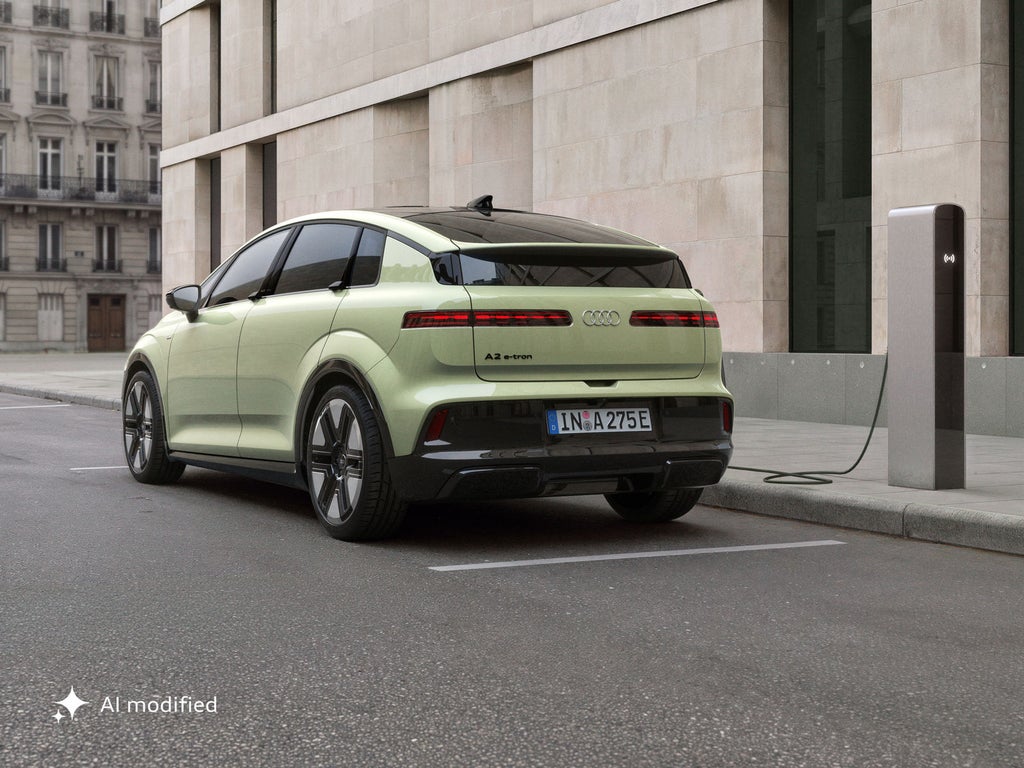
The Aluminium Ghost Returns: Audi Rewrites the Urban EV Formula with the A2 e-tron

Audi revives its cult compact badge as a rear-wheel-drive electric hatchback packing up to 240 kW and three distinct battery tiers.

Tomás Cleary 4 min
Border Run: Living With Honda’s Controversial Coupe on the Road to Montreal — Reviews
Auto
3 min
Reviews · Sep 17, 2026

Border Run: Living With Honda’s Controversial Coupe on the Road to Montreal

A cross-border trek to the Canadian Grand Prix kicks off a year-long verdict on the 2026 Honda Prelude.

Devon Bryce 3 min
The October Reckoning: Tesla Pins an Official Debut Date to the Long-Awaited Roadster — Debuts
Auto
4 min
Debuts · Sep 17, 2026

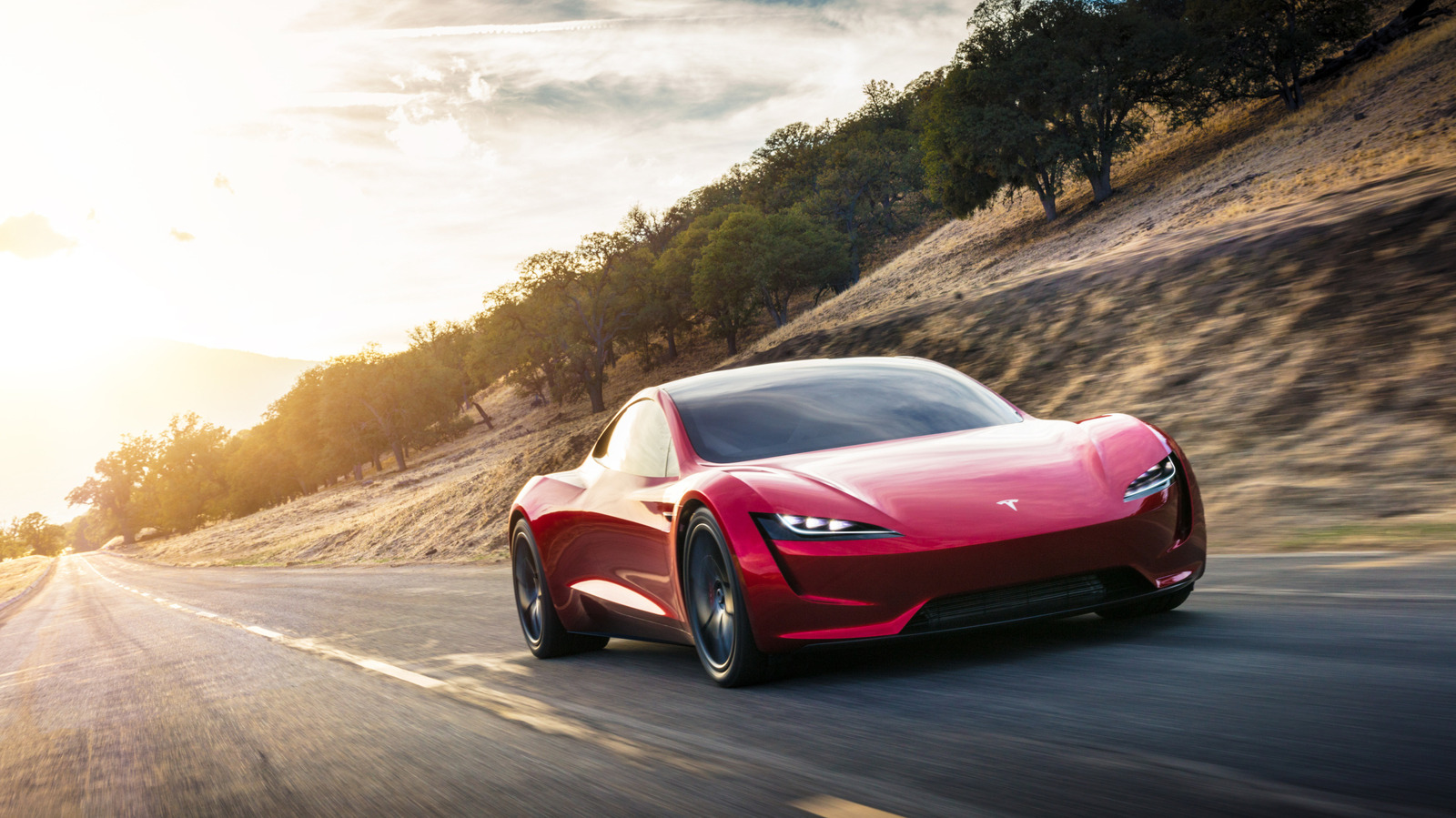
The October Reckoning: Tesla Pins an Official Debut Date to the Long-Awaited Roadster

After years of perpetual delays and audacious promises, Elon Musk targets October 1 for the world debut of Tesla’s flagship electric sports car.

Devon Bryce 4 min
The Heavyweight Reshuffle: Inside Audi and BMW’s Next-Gen Flagship Standoff — Future Cars
Auto
4 min
Future Cars · Sep 16, 2026

The Heavyweight Reshuffle: Inside Audi and BMW’s Next-Gen Flagship Standoff

With Audi locking in a redesigned Q8 coupe flagship and Munich pacing the next-gen X7 toward late 2027, Germany’s luxury titans are recalibrating the summit of their SUV rosters.

Tomás Cleary 4 min
The Usability Equation: Inside McLaren’s Direct Strike on the Everyday Supercar — Supercars
Auto
4 min
Supercars · Sep 16, 2026

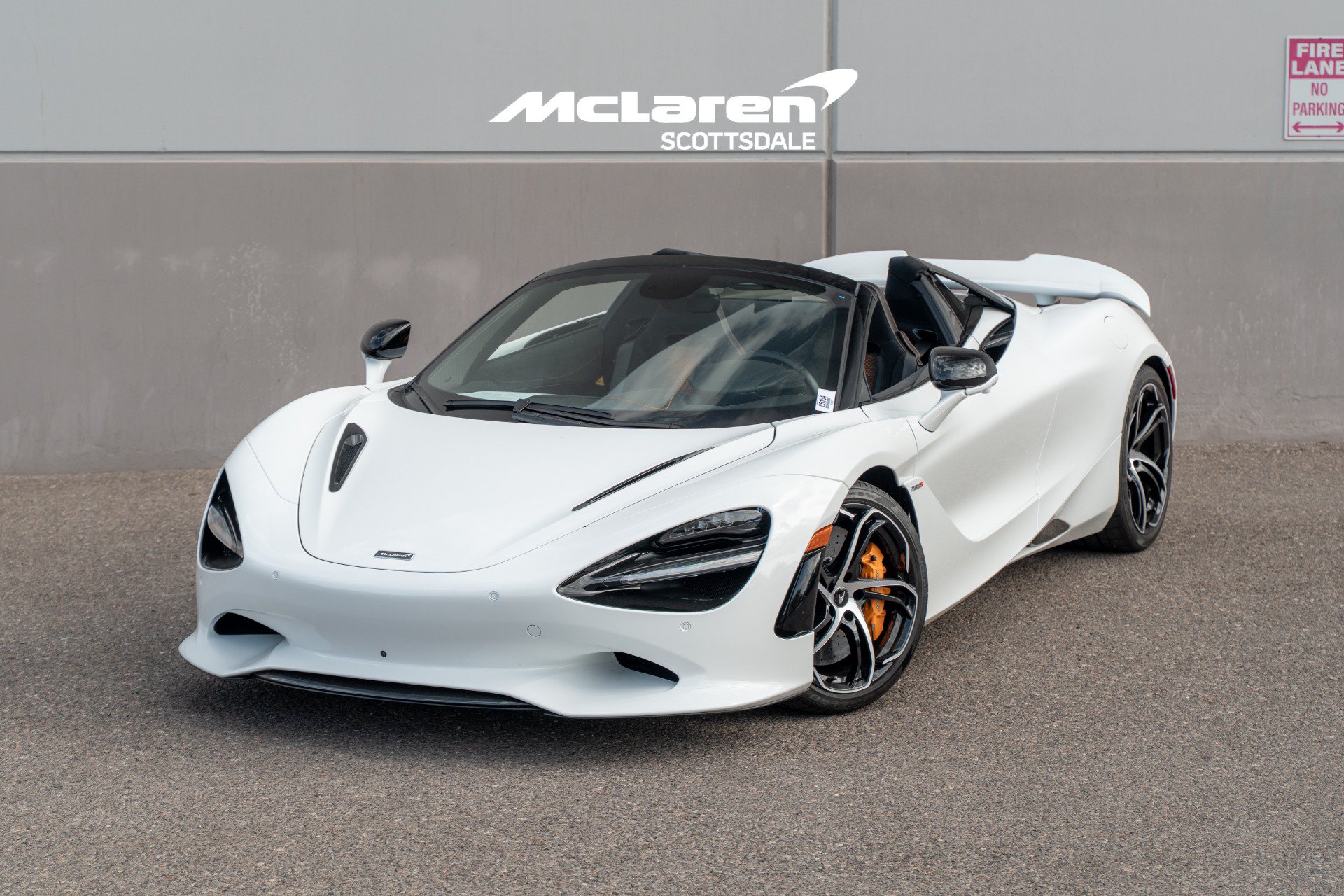
The Usability Equation: Inside McLaren’s Direct Strike on the Everyday Supercar

With the 2026 GTS, Woking sharpens its twin-turbocharged, rear-wheel-drive formula to challenge Stuttgart's daily-driver benchmark.

Devon Bryce 4 min
Four Motors, Zero Sense: Unleashing the 1,025-Horsepower Rivian R1S — Reviews
Auto
5 min
Reviews · Sep 16, 2026

Four Motors, Zero Sense: Unleashing the 1,025-Horsepower Rivian R1S

Rivian’s in-house quad-motor architecture pushes the three-row family SUV into four-figure hyper-machinery territory.

Devon Bryce 5 min
The High-Decibel Arms Race: Inside Supercar Royalty’s Wildest Week — Supercars
Auto
4 min
Supercars · Sep 16, 2026

The High-Decibel Arms Race: Inside Supercar Royalty’s Wildest Week

From Bugatti’s Destrier to Lamborghini’s Revuelto SV, the world’s elite marques just launched an all-out assault on the extreme performance envelope.

Devon Bryce 4 min
The Grand Tour Shakedown: Living With the 2026 Honda Prelude — Reviews
Auto
4 min
Reviews · Sep 15, 2026

The Grand Tour Shakedown: Living With the 2026 Honda Prelude

A long-haul blast from Indianapolis to Montreal opens a year-long verdict on Honda's most scrutinized modern revival.

Devon Bryce 4 min
The Transatlantic Divide: Why Europe Is Buying In While North America Freezes — Tech Compare
Auto
4 min
Tech Compare · Sep 15, 2026

The Transatlantic Divide: Why Europe Is Buying In While North America Freezes

As BYD commands a 15.4 percent global share and Tesla chases a third-quarter rebound, diverging market appetites reveal the real cost of legacy hesitation.

Wei Lan 4 min
The 15.4% Crown: How BYD Locked Down the Global BEV Leaderboard Through July — Tech Compare
Auto
4 min
Tech Compare · Sep 14, 2026

The 15.4% Crown: How BYD Locked Down the Global BEV Leaderboard Through July

Fresh global sales data through July 2026 cements BYD's battery-electric dominance at 15.4% worldwide share, as European adoption booms and North America retreats.

Wei Lan 4 min
The $19,000 Reality Check: How China’s Low-Cost Platforms Broke Western EV Economics — Tech Compare
Auto
4 min
Tech Compare · Sep 14, 2026

The $19,000 Reality Check: How China’s Low-Cost Platforms Broke Western EV Economics

With profitable sub-$20,000 architectures offering 400-kilometre range, Chinese automakers are exposing the fundamental cost flaws of legacy electrification.

Wei Lan 4 min
The Wilderness Gamble: Early Miles Reveal the Seventh-Gen Subaru Outback's Identity Split — Reviews
Auto
3 min
Reviews · Sep 14, 2026

The Wilderness Gamble: Early Miles Reveal the Seventh-Gen Subaru Outback's Identity Split

As the all-new seventh-generation 2026 Subaru Outback hits roads for initial evaluations, early driver impressions point to an uneasy balance between rugged ambition and cabin refinement.

Devon Bryce 3 min
The Vertical Squeeze: BYD Tightens Its 23.3% Grip as Tesla Scrambles for Top-Ten Air — China Auto
Auto
4 min
China Auto · Sep 13, 2026

The Vertical Squeeze: BYD Tightens Its 23.3% Grip as Tesla Scrambles for Top-Ten Air

August NEV figures reveal China's homegrown heavyweights pulling away from foreign competition by controlling everything from silicon to cells.

Wei Lan 4 min
Munich’s High-Wire Act: Why the 2027 BMW 3 Series is Secretly Two Completely Different Cars — Future Cars
Auto
Deep Dive
8 min
Future Cars · Sep 13, 2026

Munich’s High-Wire Act: Why the 2027 BMW 3 Series is Secretly Two Completely Different Cars

Leaked data reveals BMW's multibillion-euro hedge for its iconic sports sedan, splitting the G50 and i3 across the ICE-dedicated CLAR and EV-only Neue Klasse architectures under identical sheet metal.

Tomás Cleary 8 min
The 24-Month Metabolism: How China Rewired the Automotive Development Cycle — China Auto
Auto
Deep Dive
9 min
China Auto · Sep 13, 2026

The 24-Month Metabolism: How China Rewired the Automotive Development Cycle

Legacy automakers still require up to five years to take a clean-sheet architecture from sketch to showroom. Chinese EV manufacturers are doing it in under two. The secret isn't cutting corners—it's a complete eradication of the traditional assembly line mindset.

Wei Lan 9 min
In the Black: How China’s EV Vanguard Turned Tech Lead into Real Profit — Tech Compare
Auto
4 min
Tech Compare · Sep 13, 2026

In the Black: How China’s EV Vanguard Turned Tech Lead into Real Profit

While Detroit and Stuttgart hemorrhage cash on battery transitions, Chinese manufacturers are demonstrating that scale, software, and solvent balance sheets can coexist.

Wei Lan 4 min
Born in the Rush, Delivered in the Retraction: Behind the Wheel of the 2026 Jeep Recon — Reviews
Auto
4 min
Reviews · Sep 13, 2026

Born in the Rush, Delivered in the Retraction: Behind the Wheel of the 2026 Jeep Recon

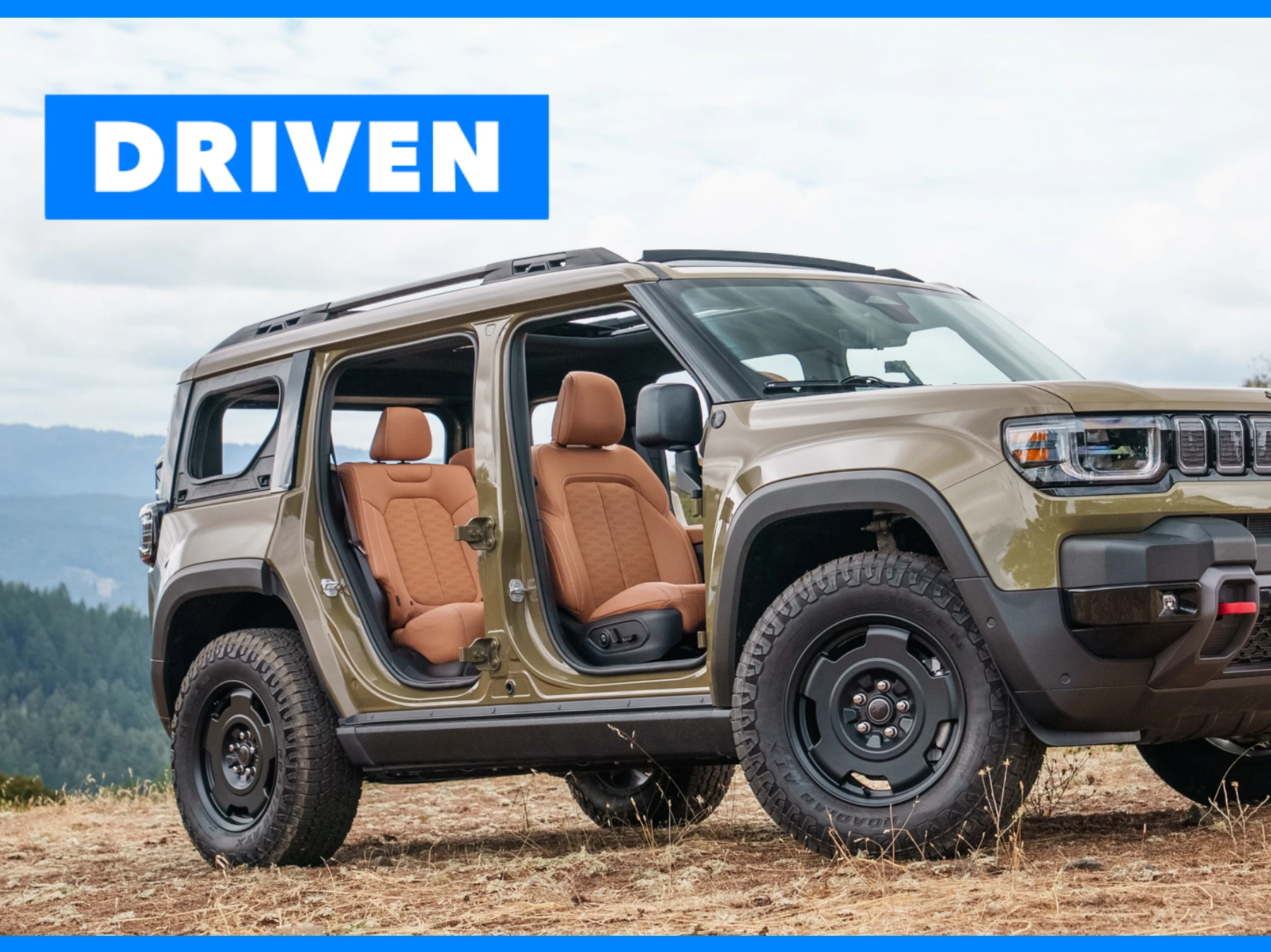
Jeep’s all-electric trail-runner lands in a marketplace that fell out of love with government mandates, proving quick on tarmac and happier in the mud.

Devon Bryce 4 min
FAQ

Frequently asked

Do electric SUVs lose range in cold weather?

Yes. Expect a 15 to 25 percent reduction in range when temperatures drop below freezing. Cold batteries are less efficient, and heating the cabin requires drawing significant power directly from the battery. Look for models equipped with a heat pump, which scavenges ambient heat and vastly improves winter efficiency compared to resistive heaters.

Can I tow with an electric SUV?

Most mid-to-large electric SUVs are rated to tow between 3,500 and 5,000 lbs, and models like the Rivian R1S can tow up to 7,700 lbs. However, towing destroys aerodynamic efficiency. Expect your range to be cut by approximately 50 percent when towing a blocky trailer or caravan at highway speeds.

Should I charge my EV to 100 percent every day?

For daily driving, it is best practice to charge Lithium-Ion (NMC) batteries to 80 percent to minimize long-term degradation. You should only charge to 100 percent right before leaving for a long road trip. The exception is vehicles with LFP (Lithium Iron Phosphate) batteries, which the manufacturer will explicitly recommend charging to 100 percent regularly.

What is the difference between WLTP and real-world range?

WLTP (Worldwide Harmonised Light Vehicle Test Procedure) is a laboratory test used in Europe and the UK. It includes a high percentage of low-speed city driving where EVs excel due to regenerative braking. At 70 mph on the highway, where aerodynamic drag dominates, you will almost never achieve the WLTP figure. Subtracting 20 percent from the WLTP number gives a much more accurate highway estimate.