The Vertical Sovereign: Inside Shenzhen’s Multi-Tier Conquest of the Global Grid
How Wang Chuanfu built BYD from a 1995 cell manufacturer into a vertically integrated juggernaut leaving Detroit and Wolfsburg in the dust.
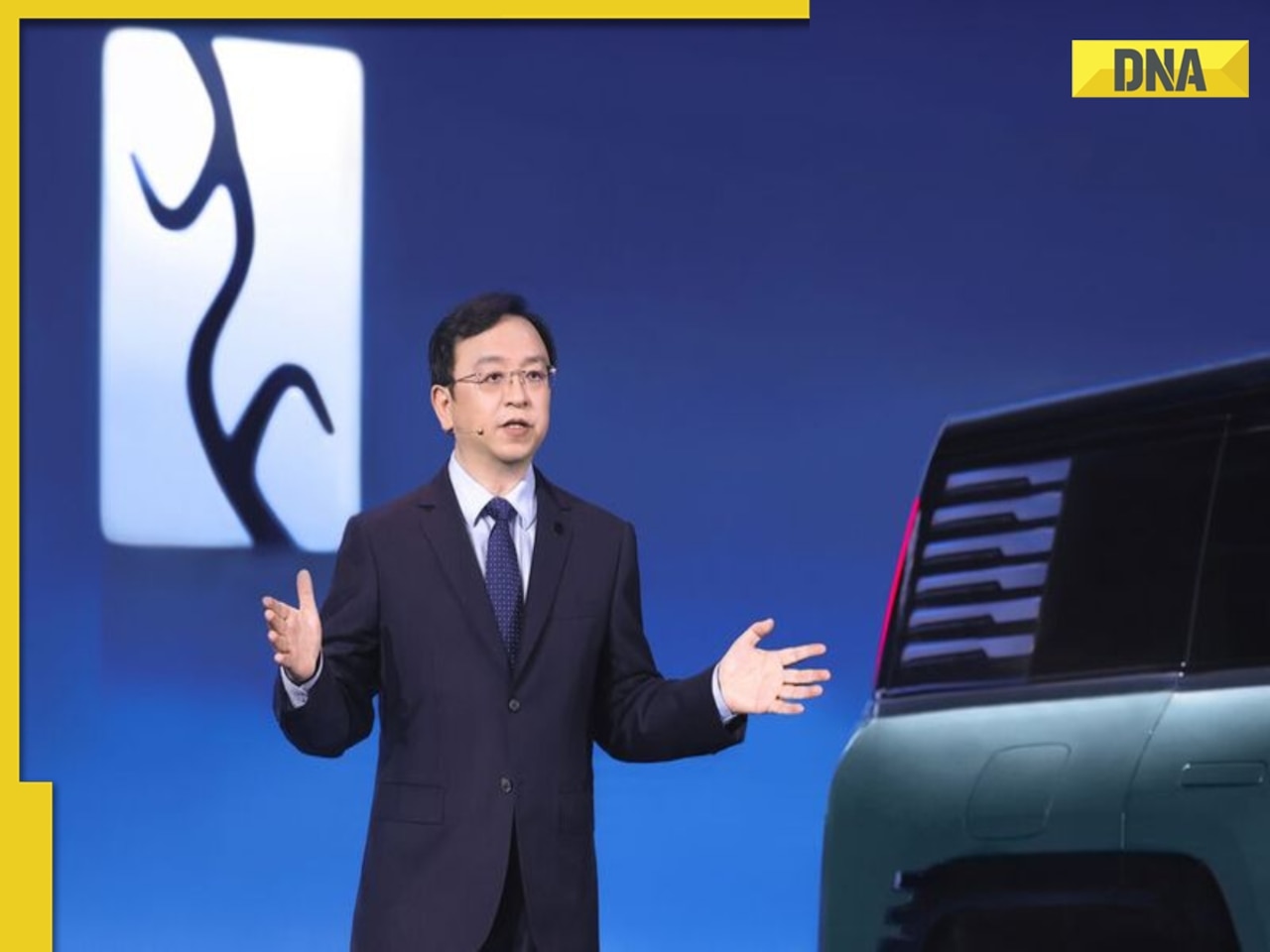
To understand why Western legacy giants are scrambling across boardrooms from Detroit to Wolfsburg, you have to look past the horsepower wars and focus entirely on the bill of materials. Founded in February 1995 by Wang Chuanfu as a humble battery manufacturer, Shenzhen-based BYD has transformed into the world's largest new energy vehicle producer—not merely through clever styling or aggressive pricing, but by owning virtually every link in the industrial chain.
While traditional automakers spent decades outsourcing critical engineering to vast supplier networks, BYD went in the opposite direction. Today, the Shenzhen titan manufactures its own proprietary Blade Batteries, fabbed semiconductors, and key electronic components in-house. That structural insulation allowed the company to make a decisive, historic pivot in 2022, becoming the first major global automaker to permanently halt production of pure internal combustion vehicles.While traditional automakers spent decades outsourcing critical engineering to vast supplier networks, BYD went in the opposite direction. Today, the Shenzhen titan manufactures its own proprietary Blade Batteries, fabbed semiconductors, and key electronic components in-house. That structural insulation allowed the company to make a decisive, historic pivot in 2022, becoming the first major global automaker to permanently halt production of pure internal combustion vehicles.
The domestic battlefield reflects that structural dominance. Homegrown players—spearheaded by BYD alongside contemporaries like Chery, Nio, Zeekr, and XPeng—have decisively outpaced legacy titans including General Motors, Volkswagen, and Tesla in market momentum. Western marques once relied on brand cachet to protect their margins, but the velocity of Chinese development cycles and hyper-automated production floors has fundamentally inverted the power dynamic.
Nowhere is BYD’s breadth more apparent than in its ruthless brand stratification. Rather than forcing a single badge to serve every demographic, Shenzhen has segmented its portfolio with military precision. Mass-market passenger volume flows through the core Dynasty and Ocean model series, while distinct premium sub-brands capture the top tiers of the market: Denza commands the executive space, Fang Cheng Bao tackles rugged performance, and the flagship Yangwang division pushes the boundaries of ultra-luxury engineering.Nowhere is BYD’s breadth more apparent than in its ruthless brand stratification. Rather than forcing a single badge to serve every demographic, Shenzhen has segmented its portfolio with military precision. Mass-market passenger volume flows through the core Dynasty and Ocean model series, while distinct premium sub-brands capture the top tiers of the market: Denza commands the executive space, Fang Cheng Bao tackles rugged performance, and the flagship Yangwang division pushes the boundaries of ultra-luxury engineering.
This platform depth arrives alongside an unprecedented performance escalation from domestic rivals. As bespoke four-figure power outputs like the 1,300-horsepower Zeekr 001 FR and tech-heavy offerings like the Xiaomi SU7 land on real roads, the Chinese ecosystem is demonstrating that extreme capability no longer belongs exclusively to European tuning houses.
With aggressive export corridors and local assembly hubs expanding rapidly across Europe, Southeast Asia, and Latin America, the industrial playbook that conquered Shenzhen is now going global. By coupling deep vertical integration with dual-track BEV and DM hybrid powertrains, BYD isn't just competing against established global badges—it is systematically redefining how an automotive conglomerate operates.With aggressive export corridors and local assembly hubs expanding rapidly across Europe, Southeast Asia, and Latin America, the industrial playbook that conquered Shenzhen is now going global. By coupling deep vertical integration with dual-track BEV and DM hybrid powertrains, BYD isn't just competing against established global badges—it is systematically redefining how an automotive conglomerate operates.
Gallery
"BYD began as a battery maker and remains one of the most vertically integrated players in the industry, producing its own batteries, semiconductors and key components."
Why it matters
By manufacturing its own Blade Batteries and microchips, BYD possesses a cost and supply advantage legacy automakers cannot match. As Chinese marques expand aggressively into Europe and Latin America, Shenzhen’s vertical blueprint poses the biggest structural threat to Western automotive supremacy in a generation.
Sources
- 1.
- 2.BYD News, Sales, & New Modelscnevpost.com
- 3.
- 4.
Reported by the Downforce & Divots desk from the sources above.
The clubhouse.
- No replies yet. Be the first.