The Diplomatic Voltage: Why Canada Is Courting China’s EV Industrial Complex
With Ottawa eager to protect domestic automotive manufacturing, Prime Minister Mark Carney heads to Beijing to talk battery supply chains and factory investment with Xi Jinping.
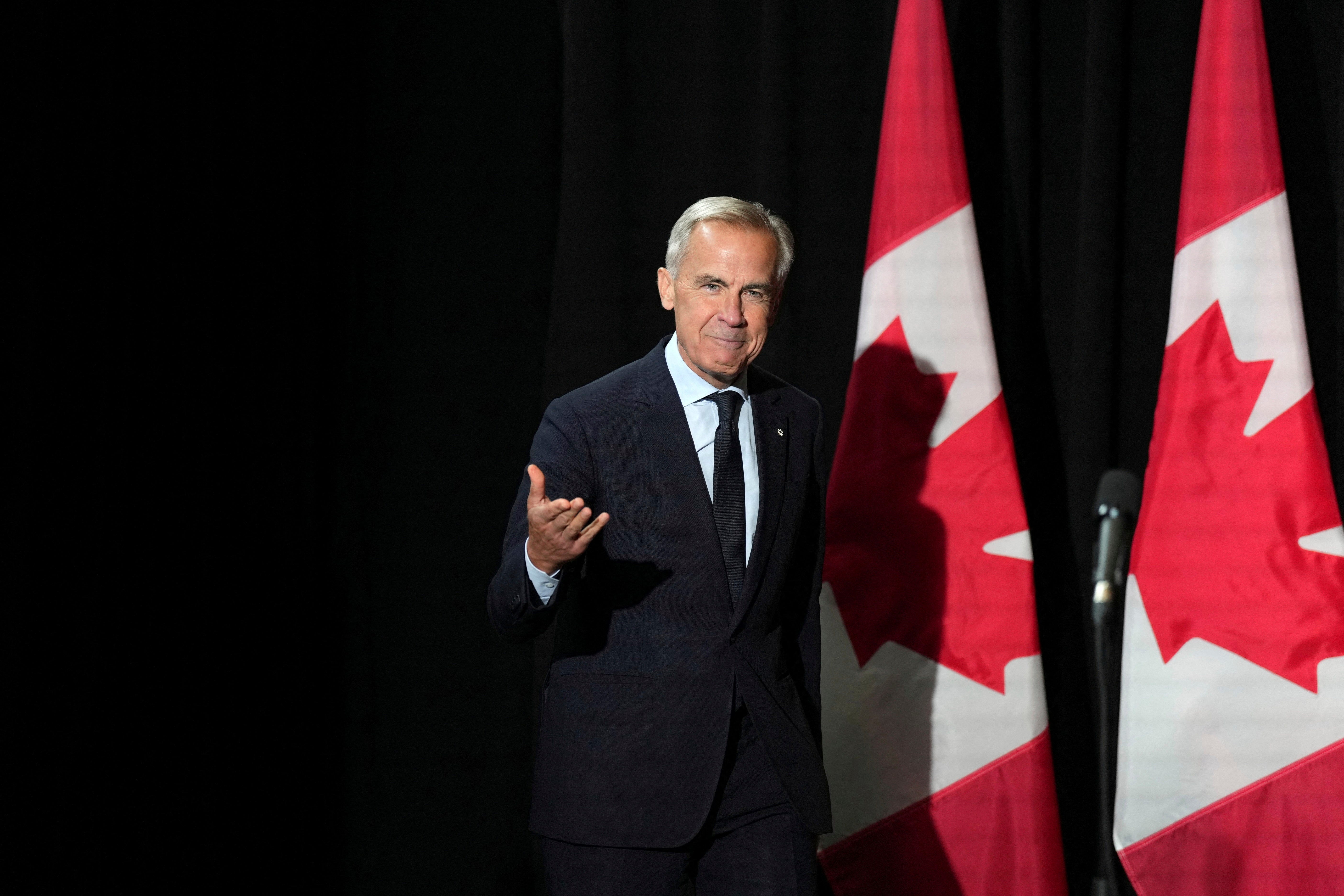
The geopolitical arithmetic of the global automotive transition has reached a delicate inflection point. As Western legacy giants scramble to match the industrial velocity of Shenzhen and Shanghai, Canadian Prime Minister Mark Carney has confirmed plans to sit down with Chinese President Xi Jinping on November 17 to discuss electric vehicle manufacturing. The meeting marks a calculated attempt by Ottawa to attract Chinese investment into North America’s critical mineral and assembly corridor, even as tariff barriers elsewhere across the continent remain sky-high.The geopolitical arithmetic of the global automotive transition has reached a delicate inflection point. As Western legacy giants scramble to match the industrial velocity of Shenzhen and Shanghai, Canadian Prime Minister Mark Carney has confirmed plans to sit down with Chinese President Xi Jinping on November 17 to discuss electric vehicle manufacturing. The meeting marks a calculated attempt by Ottawa to attract Chinese investment into North America’s critical mineral and assembly corridor, even as tariff barriers elsewhere across the continent remain sky-high.
Carney was quick to temper expectations ahead of the trip, downplaying any immediate prospect of Chinese-branded vehicles rolling directly off Canadian assembly lines in the near term. The primary objective is far more structural: securing the capital and industrial know-how required to fortify Canada’s domestic supply chain. By positioning Canada as an open hub for component manufacturing and joint ventures, Ottawa is attempting to construct a pragmatic bridge between Eastern hardware dominance and Western manufacturing ambitions.Carney was quick to temper expectations ahead of the trip, downplaying any immediate prospect of Chinese-branded vehicles rolling directly off Canadian assembly lines in the near term. The primary objective is far more structural: securing the capital and industrial know-how required to fortify Canada’s domestic supply chain. By positioning Canada as an open hub for component manufacturing and joint ventures, Ottawa is attempting to construct a pragmatic bridge between Eastern hardware dominance and Western manufacturing ambitions.
The motivation behind the outreach is straightforward. In 2026, Chinese manufacturers—anchored by titans like BYD, Chery, NIO, XPeng, and Zeekr—continue to pull ahead of legacy heavyweights like General Motors and Volkswagen on pricing, range, and fast-charging architecture. Where Western conglomerates have repeatedly trimmed deployment forecasts and delayed dedicated architectures, Chinese firms have perfected low-cost, vertically integrated scale, putting pressure on North American policy architects to adapt rather than retreat behind blanket protectionism.
That pressure is particularly evident on legacy home turf in China itself. Joint ventures that once funded Detroit and Wolfsburg's global operations are seeing their margins evaporate, exemplified by Volkswagen’s Anhui operations freezing new model introductions across 2027 and 2028 after deliveries plummeted. When Western OEMs can no longer hold ground in the world's largest automotive market, national leaders are forced to engage directly with the manufacturers dictating the terms of modern vehicle architecture.That pressure is particularly evident on legacy home turf in China itself. Joint ventures that once funded Detroit and Wolfsburg's global operations are seeing their margins evaporate, exemplified by Volkswagen’s Anhui operations freezing new model introductions across 2027 and 2028 after deliveries plummeted. When Western OEMs can no longer hold ground in the world's largest automotive market, national leaders are forced to engage directly with the manufacturers dictating the terms of modern vehicle architecture.
For Canada, the stakes extend far beyond consumer showrooms. With billions already committed to battery gigafactories in Ontario and Quebec, the Canadian supply chain requires high-throughput manufacturing partners and cutting-edge battery processing technology to maintain economic viability. Navigating a bilateral dialogue with Beijing allows Ottawa to explore targeted joint ventures and tier-one supplier integration without triggering immediate regulatory panic from its southern neighbour.For Canada, the stakes extend far beyond consumer showrooms. With billions already committed to battery gigafactories in Ontario and Quebec, the Canadian supply chain requires high-throughput manufacturing partners and cutting-edge battery processing technology to maintain economic viability. Navigating a bilateral dialogue with Beijing allows Ottawa to explore targeted joint ventures and tier-one supplier integration without triggering immediate regulatory panic from its southern neighbour.
Whether Beijing responds with binding capital commitments or strategic courtesy remains to be seen. What is already clear, however, is that Western industrial policy can no longer treat China’s electric vehicle leadership as a distant challenge. By walking into the Great Hall of the People to negotiate manufacturing terms directly, Carney is acknowledging what the automotive industry has known for months: the path to electrification is no longer dictated from Detroit or Wolfsburg, but from the industrial heart of China.Whether Beijing responds with binding capital commitments or strategic courtesy remains to be seen. What is already clear, however, is that Western industrial policy can no longer treat China’s electric vehicle leadership as a distant challenge. By walking into the Great Hall of the People to negotiate manufacturing terms directly, Carney is acknowledging what the automotive industry has known for months: the path to electrification is no longer dictated from Detroit or Wolfsburg, but from the industrial heart of China.
Gallery
"Carney plans to meet with China's leader on November 17 but downplayed expectations of Chinese cars entering production in Canada soon."
Why it matters
As Western legacy automakers lose ground to Chinese EV scale, Canada's direct bilateral engagement with Beijing signals a pragmatic shift toward securing foreign battery investment. Balancing trade friction with industrial survival will define North American auto policy for the remainder of the decade.
Sources
- 1.
- 2.
- 3.
- 4.VW Anhui reportedly plans no new models for 2027-28 as ...globalchinaev.com
Reported by the Downforce & Divots desk from the sources above.
The clubhouse.
- No replies yet. Be the first.