The Black-Ink Squeeze: Why China’s EV Heavyweights Are Printing Cash While the West Bleeds
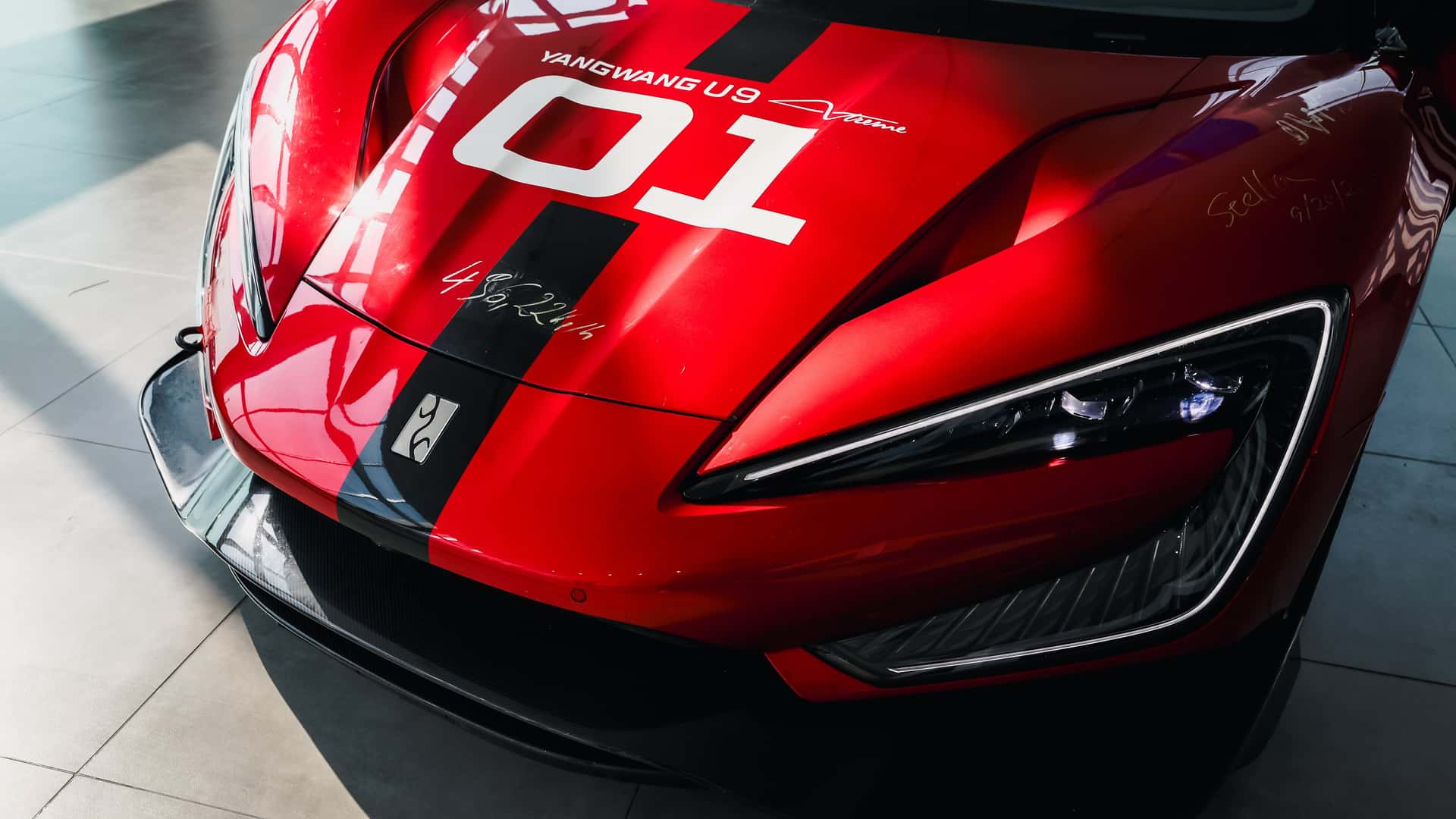
As legacy Western automakers burn billions attempting to bridge the platform divide, China’s new wave of electric marques is pulling off the unthinkable: turning a profit on 1,300-horsepower engineering.
For the better part of five years, Western boardrooms operated under a comforting assumption: building electric vehicles at scale was inherently an act of fiscal masochism. The narrative held that legacy giants and boutique innovators alike would endure a brutal, cash-bleeding transition phase before the economics ever pencilled out. That insulation has officially shattered. While American and European manufacturers continue to pour red ink over bespoke electrification programs, a rising tier of Chinese EV makers has quietly crossed the Rubicon into sustained profitability.For the better part of five years, Western boardrooms operated under a comforting assumption: building electric vehicles at scale was inherently an act of fiscal masochism. The narrative held that legacy giants and boutique innovators alike would endure a brutal, cash-bleeding transition phase before the economics ever pencilled out. That insulation has officially shattered. While American and European manufacturers continue to pour red ink over bespoke electrification programs, a rising tier of Chinese EV makers has quietly crossed the Rubicon into sustained profitability.
The financial divergence tells only half the story; the hardware on the tarmac delivers the rest of the blow. In Western showrooms, mainstream EV cross-shopping largely revolves around sensible, platform-adapted fleet entries like the BMW i4 and Audi Q4 e-tron. Across the Pacific, however, the domestic battleground has evolved into a full-scale horsepower and software showcase. Western reviewers and automotive teardown specialists stepping behind the wheel of China's latest domestic flagships are encountering 1,300-horsepower drivetrains paired with rapid battery architectures and autonomous driving systems that operate with unnerving competence.The financial divergence tells only half the story; the hardware on the tarmac delivers the rest of the blow. In Western showrooms, mainstream EV cross-shopping largely revolves around sensible, platform-adapted fleet entries like the BMW i4 and Audi Q4 e-tron. Across the Pacific, however, the domestic battleground has evolved into a full-scale horsepower and software showcase. Western reviewers and automotive teardown specialists stepping behind the wheel of China's latest domestic flagships are encountering 1,300-horsepower drivetrains paired with rapid battery architectures and autonomous driving systems that operate with unnerving competence.
This dual-front assault—delivering outrageous spec sheets while keeping balance sheets firmly in the black—has completely recalibrated the competitive threat. It is no longer just a story of cost efficiencies or subsidised manufacturing; it is a structural masterclass in platform execution. Where Western legacy rivals are stuck managing the heavy depreciation of split architectures and slow-ramping assembly lines, Chinese manufacturers have compressed development cycles to field ultra-high-output machines without sacrificing their margins.This dual-front assault—delivering outrageous spec sheets while keeping balance sheets firmly in the black—has completely recalibrated the competitive threat. It is no longer just a story of cost efficiencies or subsidised manufacturing; it is a structural masterclass in platform execution. Where Western legacy rivals are stuck managing the heavy depreciation of split architectures and slow-ramping assembly lines, Chinese manufacturers have compressed development cycles to field ultra-high-output machines without sacrificing their margins.
The pressure on global stalwarts is mounting rapidly. Established players who assumed their brand equity and premium pricing would buy them time against raw tech specs are watching market share slip where borders remain open. When an automaker can package supercar-grade power, cutting-edge autonomous software, and dependable battery management into a commercially viable product, the traditional luxury premium begins to look less like prestige and more like inertia.The pressure on global stalwarts is mounting rapidly. Established players who assumed their brand equity and premium pricing would buy them time against raw tech specs are watching market share slip where borders remain open. When an automaker can package supercar-grade power, cutting-edge autonomous software, and dependable battery management into a commercially viable product, the traditional luxury premium begins to look less like prestige and more like inertia.
What the market is witnessing is a decisive structural pivot. Western manufacturers can no longer dismiss the high-power Chinese EV wave as a loss-leading novelty. With profitability secured on home turf and engineering envelopes pushed well past the 1,000-horsepower threshold, the global electric arms race has entered a far more unforgiving phase.What the market is witnessing is a decisive structural pivot. Western manufacturers can no longer dismiss the high-power Chinese EV wave as a loss-leading novelty. With profitability secured on home turf and engineering envelopes pushed well past the 1,000-horsepower threshold, the global electric arms race has entered a far more unforgiving phase.
Gallery
"While American and European rivals bleed cash transitioning to EVs, a new crop of Chinese EV startups are in the black."
Why it matters
The transition to electrification was assumed to be universally loss-making for years to come. By achieving profitability while simultaneously deploying 1,300-hp powertrains and advanced autonomous stacks, Chinese automakers have shattered the West's timeline for EV market parity.
Sources
- 1.
- 2.
- 3.
- 4.
Reported by the Downforce & Divots desk from the sources above.
The clubhouse.
- No replies yet. Be the first.