The Reversal of Flow: Why Europe’s Automakers Are Licensing Beijing’s Tech to Survive
Caught flat-footed by the electric transition, European legacy giants are paradoxically partnering with their fiercest Chinese competitors to salvage their software and battery deficits.
For over a century, the global automotive playbook followed a rigid, imperial script: European engineering houses perfected internal combustion architectures in Stuttgart, Munich, and Wolfsburg, exporting mechanical prestige eastward while safeguarding their proprietary intellectual property. Today, that hierarchy has collapsed. While American and European manufacturers continue to bleed capital navigating the arduous transition to electric drivetrains, a newly profitable crop of Chinese EV manufacturers is dictating terms, reversing the historic flow of automotive technology.For over a century, the global automotive playbook followed a rigid, imperial script: European engineering houses perfected internal combustion architectures in Stuttgart, Munich, and Wolfsburg, exporting mechanical prestige eastward while safeguarding their proprietary intellectual property. Today, that hierarchy has collapsed. While American and European manufacturers continue to bleed capital navigating the arduous transition to electric drivetrains, a newly profitable crop of Chinese EV manufacturers is dictating terms, reversing the historic flow of automotive technology.
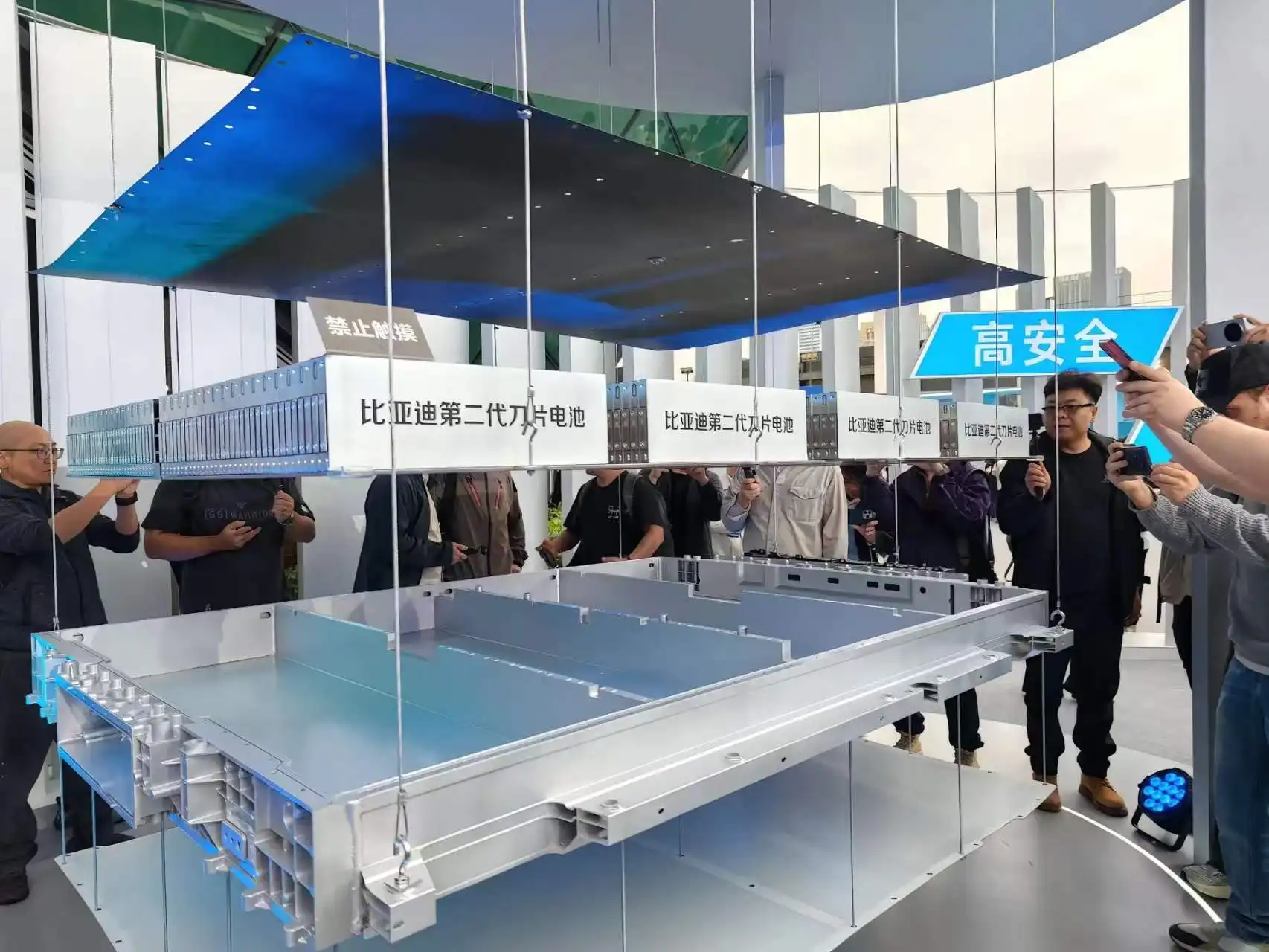
The structural disparity is no longer just a matter of manufacturing subsidies or cheap assembly lines; it is an outright software and component gap. As legacy European marques struggled to decouple from legacy internal combustion platforms, Chinese startups accelerated straight into dedicated skateboard architectures, cell-to-pack battery integrations, and localized operating systems. Where Western brands once viewed Chinese firms purely as contract partners or domestic market gateways, they now look to them as technological lifelines.The structural disparity is no longer just a matter of manufacturing subsidies or cheap assembly lines; it is an outright software and component gap. As legacy European marques struggled to decouple from legacy internal combustion platforms, Chinese startups accelerated straight into dedicated skateboard architectures, cell-to-pack battery integrations, and localized operating systems. Where Western brands once viewed Chinese firms purely as contract partners or domestic market gateways, they now look to them as technological lifelines.
This strategic trap has created a profound political paradox across the continent. Just as the European Union debates protectionist tariffs and a firmer regulatory stance against Chinese vehicle imports, German and European automakers are actively signing joint ventures and licensing agreements with Chinese tech firms to secure cutting-edge battery chemistries, power electronics, and autonomous driving stacks.This strategic trap has created a profound political paradox across the continent. Just as the European Union debates protectionist tariffs and a firmer regulatory stance against Chinese vehicle imports, German and European automakers are actively signing joint ventures and licensing agreements with Chinese tech firms to secure cutting-edge battery chemistries, power electronics, and autonomous driving stacks.
The real-world consequences of this lag are already playing out on showroom floors and specification sheets. In the luxury electric crossover segment—where vehicles like the BMW iX3 and Volvo EX30 Cross Country vie for market share—European offerings frequently grapple with tighter range envelopes of 200 to 300 miles, trailing the real-world efficiency and high-voltage architectures pioneered by market leaders who have already scaled profitable high-nickel and silicon-dense supply chains.The real-world consequences of this lag are already playing out on showroom floors and specification sheets. In the luxury electric crossover segment—where vehicles like the BMW iX3 and Volvo EX30 Cross Country vie for market share—European offerings frequently grapple with tighter range envelopes of 200 to 300 miles, trailing the real-world efficiency and high-voltage architectures pioneered by market leaders who have already scaled profitable high-nickel and silicon-dense supply chains.
What European manufacturers are discovering is that building an electric vehicle is fundamentally different from building an exceptional grand tourer. The competitive moat is no longer forged in the casting of cylinder blocks or the fine-tuning of multi-link rear axles; it is won in software validation cycles, thermal management efficiency, and vertical battery supply chains—disciplines where European boardrooms simply woke up too late.What European manufacturers are discovering is that building an electric vehicle is fundamentally different from building an exceptional grand tourer. The competitive moat is no longer forged in the casting of cylinder blocks or the fine-tuning of multi-link rear axles; it is won in software validation cycles, thermal management efficiency, and vertical battery supply chains—disciplines where European boardrooms simply woke up too late.
Whether these cross-border alliances will allow Europe to protect its domestic industrial base while catching up on fundamental software architecture remains the central dilemma of this automotive cycle. For now, the continent's most storied emblems are finding that the quickest path to a competitive electric future runs directly through the engineering labs of Shenzhen and Shanghai.Whether these cross-border alliances will allow Europe to protect its domestic industrial base while catching up on fundamental software architecture remains the central dilemma of this automotive cycle. For now, the continent's most storied emblems are finding that the quickest path to a competitive electric future runs directly through the engineering labs of Shenzhen and Shanghai.
Gallery
"German and European carmakers are teaming up with Chinese companies for cutting-edge components and software."
Why it matters
European automakers face an existential technology gap that threatens domestic manufacturing dominance. By relying on Chinese hardware and software partnerships, legacy brands are trading away long-term engineering sovereignty for short-term survival in the electric marketplace.
Sources
- 1.
- 2.Asleep At the Wheel: Europe's Cars and the Electric Revolutiongreeneuropeanjournal.eu
- 3.
- 4.The best electric SUVs? These are our top 16 - Car Magazinecarmagazine.co.uk
Reported by the Downforce & Divots desk from the sources above.
The clubhouse.
- No replies yet. Be the first.