The Global Ledger Flips: How China’s EV Vanguard Left Legacy Japan in the Rearview
By eclipsing Subaru and Mitsubishi in quarterly global sales, China’s newest automotive wave proves its blitz is no longer just domestic noise.
The global automotive power dynamic quietly crossed a watershed threshold this quarter. In a milestone that should send tremors through boardroom corridors in Tokyo and Nagoya, China’s fastest-rising electric vehicle makers officially outpaced long-standing Japanese mainstays Subaru and Mitsubishi in total global volume. Spearheaded by the relentless expansion of contenders like Xpeng and sustained volume pushes from industry giants, the quarterly reshuffle signals that legacy badges can no longer rely purely on heritage to defend their global market share.The global automotive power dynamic quietly crossed a watershed threshold this quarter. In a milestone that should send tremors through boardroom corridors in Tokyo and Nagoya, China’s fastest-rising electric vehicle makers officially outpaced long-standing Japanese mainstays Subaru and Mitsubishi in total global volume. Spearheaded by the relentless expansion of contenders like Xpeng and sustained volume pushes from industry giants, the quarterly reshuffle signals that legacy badges can no longer rely purely on heritage to defend their global market share.
The surge is underpinned by blistering operational cadence and aggressive pricing strategies that traditional manufacturers have struggled to match. While established volume players spent decades building localized dealer networks, Chinese manufacturers have traded traditional timelines for rapid-fire deployment. The numbers validate the pivot: aggressive pricing and immediate showroom availability have turned domestic market momentum into tangible international export muscle, challenging the historical entry-level and mid-tier territory that Japanese brands once held uncontested.The surge is underpinned by blistering operational cadence and aggressive pricing strategies that traditional manufacturers have struggled to match. While established volume players spent decades building localized dealer networks, Chinese manufacturers have traded traditional timelines for rapid-fire deployment. The numbers validate the pivot: aggressive pricing and immediate showroom availability have turned domestic market momentum into tangible international export muscle, challenging the historical entry-level and mid-tier territory that Japanese brands once held uncontested.
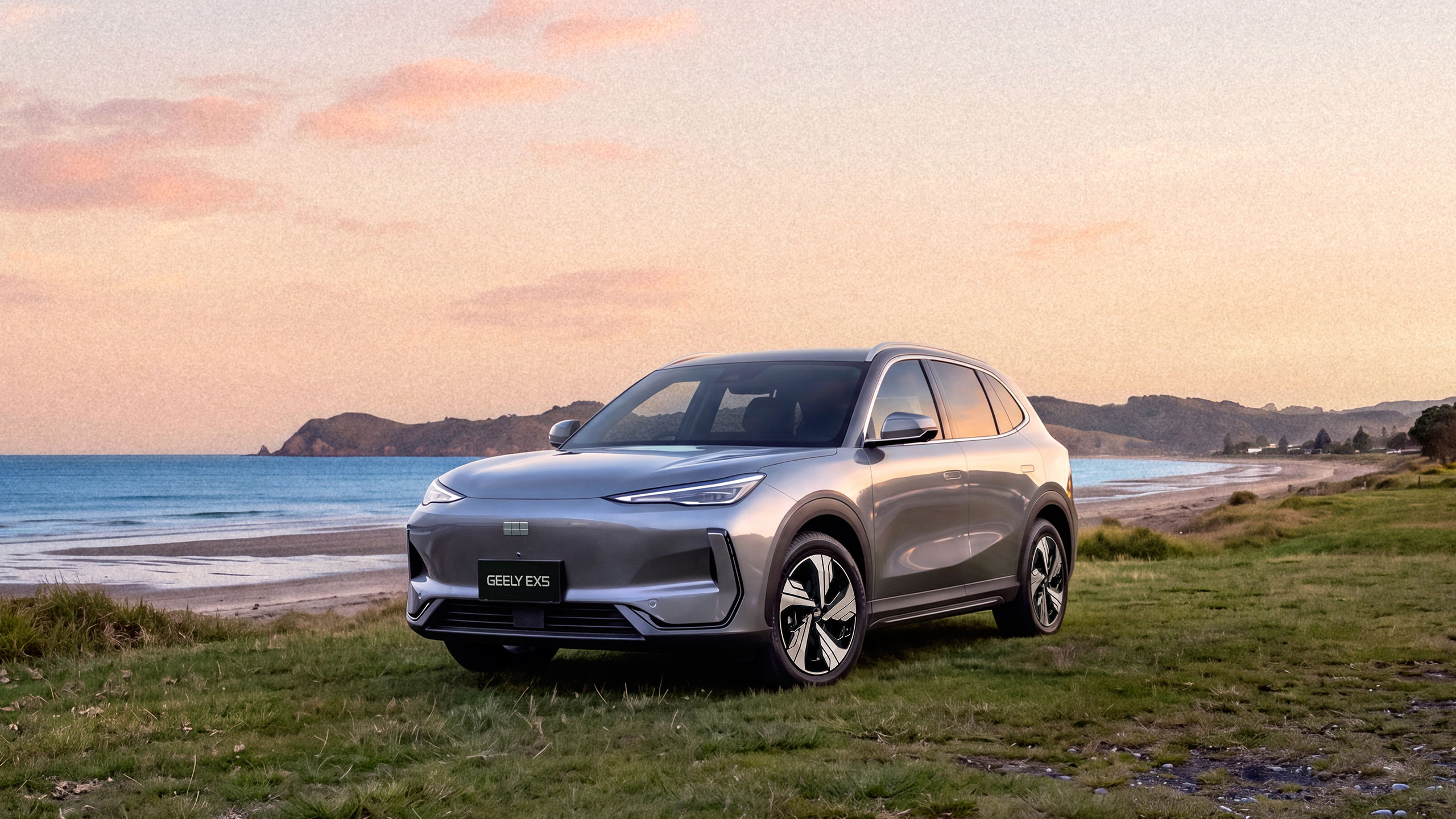
Hardware cadence remains the chief differentiator. Even as Geely prepares to officially launch its new EX5 electric crossover on September 23, sister brand Zeekr has taken to theatrical engineering demonstrations to prove its build integrity—most recently running a 20-ton commercial truck directly over the structural seat foam of its 009 luxury MPV to verify zero structural deformation. What once looked like bravado in domestic showrooms has matured into genuine structural confidence.Hardware cadence remains the chief differentiator. Even as Geely prepares to officially launch its new EX5 electric crossover on September 23, sister brand Zeekr has taken to theatrical engineering demonstrations to prove its build integrity—most recently running a 20-ton commercial truck directly over the structural seat foam of its 009 luxury MPV to verify zero structural deformation. What once looked like bravado in domestic showrooms has matured into genuine structural confidence.
The technological leapfrog extends deep into electrical architecture. Multiple Chinese automakers are already preparing to phase out redundant auxiliary systems by integrating high-voltage and low-voltage power delivery directly into a single, unified traction battery pack from 2027. Consolidating the legacy 12-volt ecosystem directly into the primary pack cuts harness complexity, shaves critical chassis weight, and lowers assembly overhead—a structural engineering leap that legacy platforms are still years away from commoditizing.The technological leapfrog extends deep into electrical architecture. Multiple Chinese automakers are already preparing to phase out redundant auxiliary systems by integrating high-voltage and low-voltage power delivery directly into a single, unified traction battery pack from 2027. Consolidating the legacy 12-volt ecosystem directly into the primary pack cuts harness complexity, shaves critical chassis weight, and lowers assembly overhead—a structural engineering leap that legacy platforms are still years away from commoditizing.
For decades, the standard playbook for automotive dominance required patience, gradual brand equity, and conservative engineering iteration. The current wave of Chinese automakers has discarded the template entirely. With global quarterly sales trophies already falling and next-generation consolidated architectures slated for production, the established guard is running out of road to stage a counteroffensive.For decades, the standard playbook for automotive dominance required patience, gradual brand equity, and conservative engineering iteration. The current wave of Chinese automakers has discarded the template entirely. With global quarterly sales trophies already falling and next-generation consolidated architectures slated for production, the established guard is running out of road to stage a counteroffensive.
Gallery
"The CCP uses the company to advance industrial policies that will bankrupt automakers and ruin the manufacturing base."
Why it matters
Surpassing established Japanese automakers in quarterly volume proves Chinese EV adoption is no longer a localized trend. As Chinese manufacturers integrate consolidated battery architectures and accelerate global vehicle launches, legacy brands face unprecedented pressure on both pricing power and engineering speed.
Sources
- 1.
- 2.
- 3.EV Latest News - CarNewsChina.comcarnewschina.com
- 4.US Congress Says BYD is 'Pentagon-Designated Chinese ...eletric-vehicles.com
Reported by the Downforce & Divots desk from the sources above.
The clubhouse.
- No replies yet. Be the first.