Related coverage
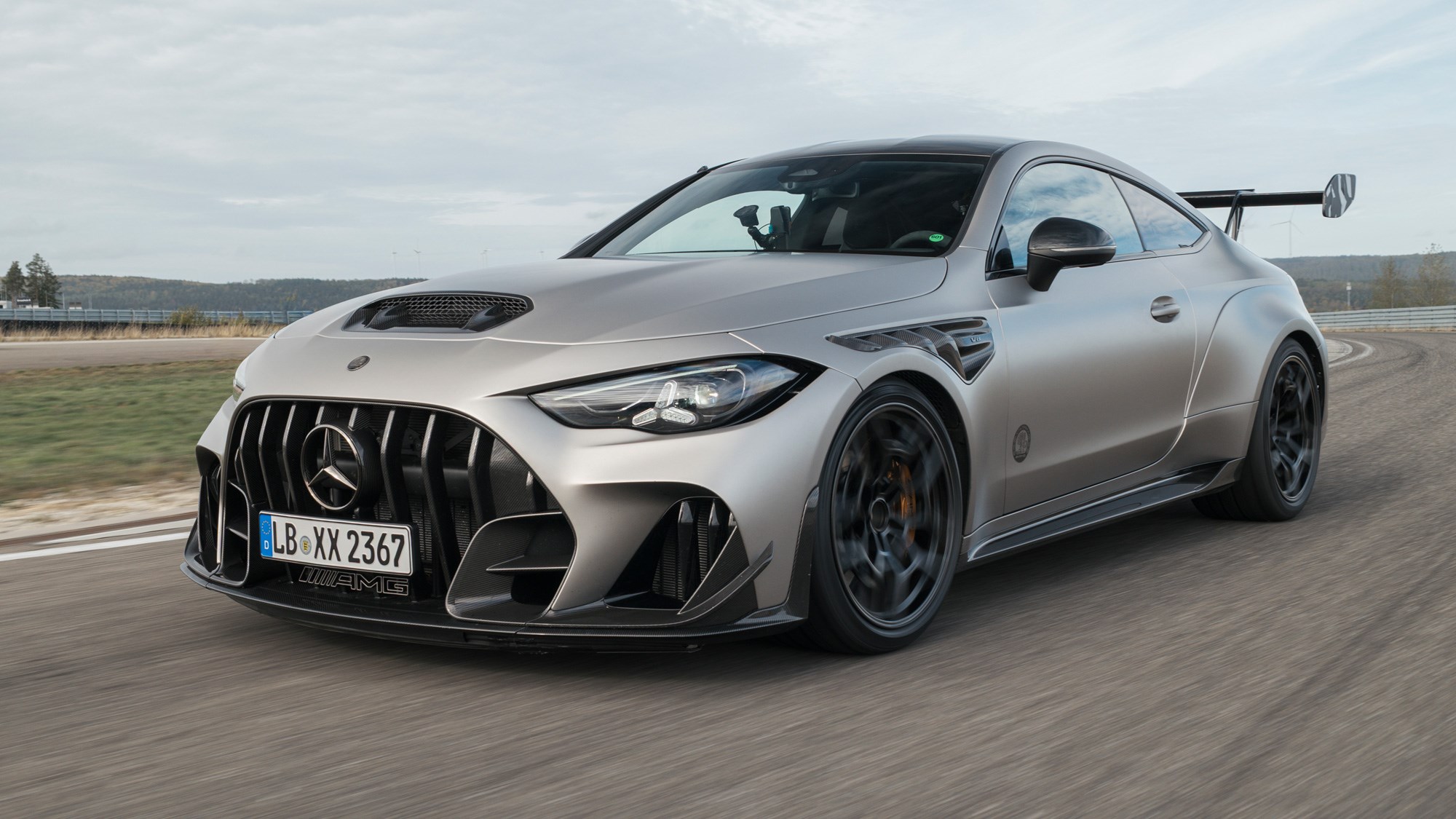
The Affalterbach Counter-Strike: Mercedes-AMG’s V8 Makes Its Defiant Stand
As electric fatigue creeps across the performance sector, the Mercedes-AMG CLE646 Spezialanfertigung lands a thunderous, eight-cylinder blow for combustion purists.
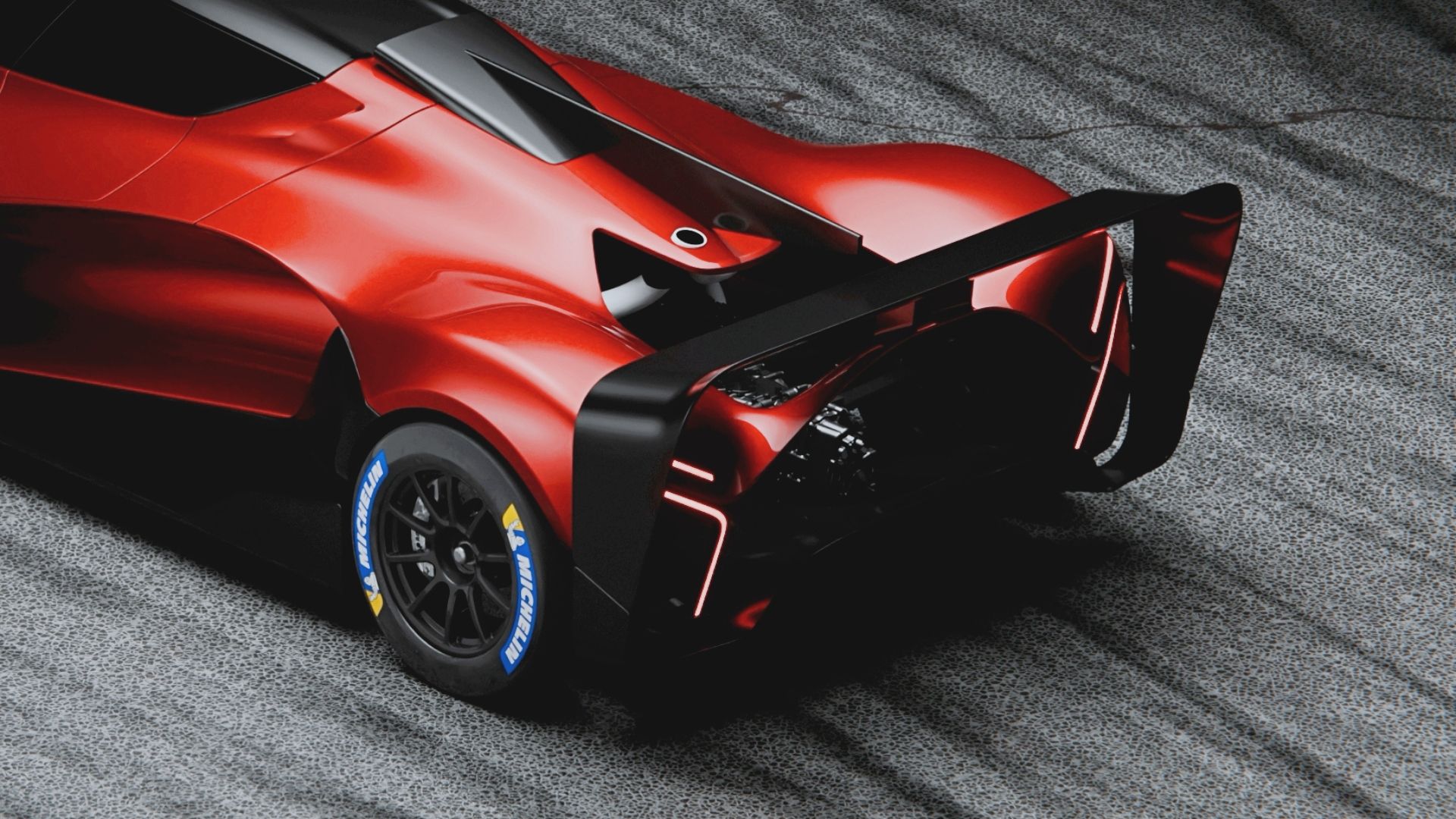
Saddle Up: Inside the Sanrivatti One’s Radical Head-First Cockpit
The Dutch-built Sanrivatti One trades the traditional carbon bucket for an equestrian, superbike-inspired stance. But how does straddling a V10 change the human body's threshold for extreme lateral G-forces?
The Saddle Shift: Inside the Dutch V10 That Replaces Bucket Seats with Superbike Posture
A Netherlands-based hypercar breaks cover for its world debut, daring drivers to straddle a high-revving V10 with a radical, legs-back riding position.
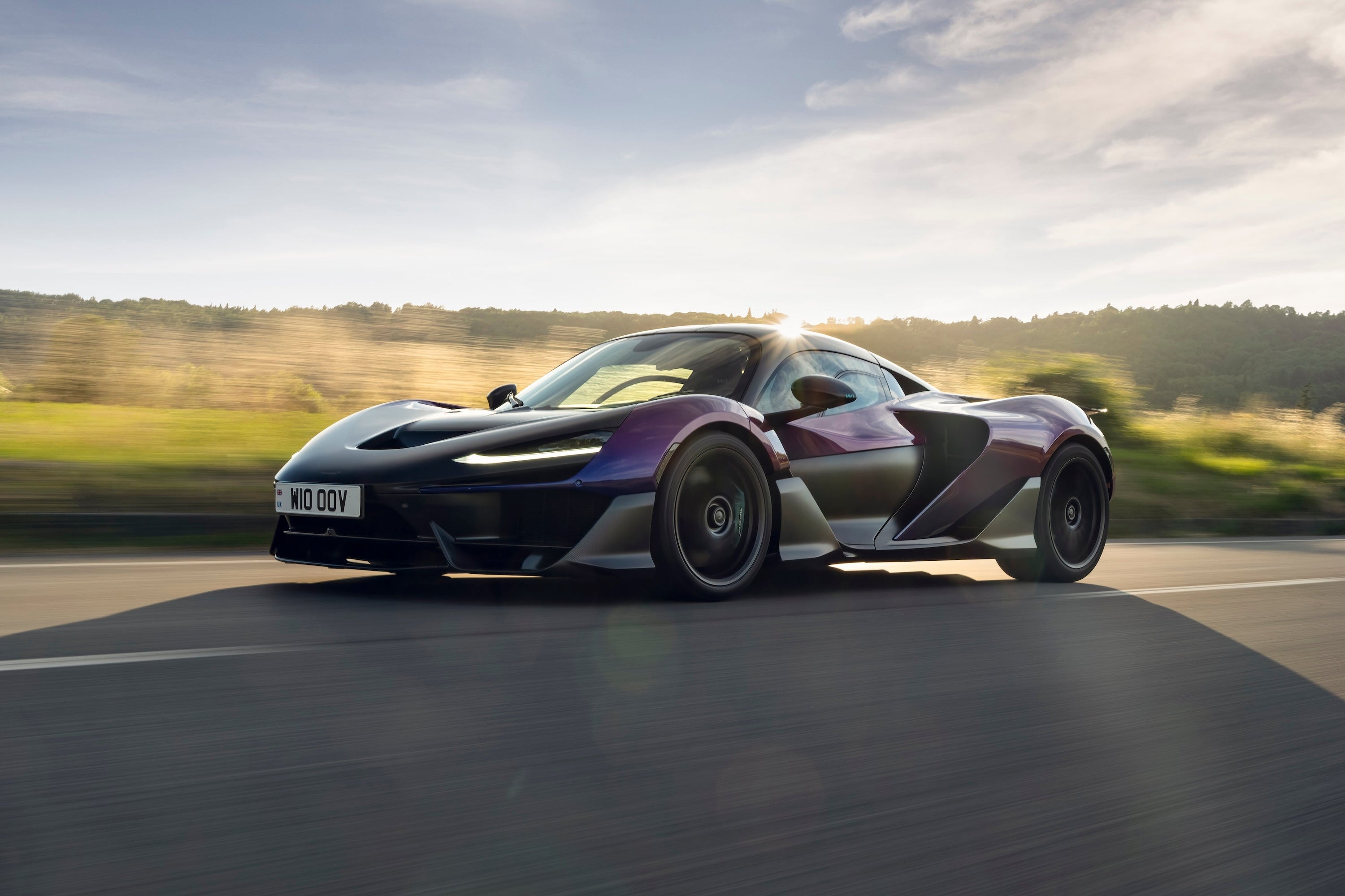
The 500-Horsepower Floor: Inside the 23-Model Wave Reshaping Exotic Metal
With 14 marquee brands plotting launches through 2028, the traditional boutique supercar calendar is operating at full industrial throttle.

The Jekyll Voltage: How Hybrid Powertrains Created the Split-Personality Hypercar
By pairing ferocious twin-turbo V8s with silent electric capability, the hybrid hypercar class engineered an unprecedented dynamic duality.

The Dragon Lands: Apollo’s Unhinged IE Touches Down Stateside
The bespoke Apollo IE ‘Caribbean Dragon’ makes its official US debut, bringing unfiltered, naturally aspirated theatre to American tarmac.

The Curvature of Speed: What Happens When Ferrari, McLaren, and Porsche Meet the Apex
Beyond static boulevard posturing, the ultimate mid-engine and hybrid weapons reveal their true mechanical hierarchies only under the relentless violence of circuit hot laps.

The Master’s Final Thesis: Adrian Newey Pulls the Sheet Off the Red Bull RB17
Unshackled from grand prix rulebooks, Adrian Newey steps onto the stage to unveil the track-only Red Bull RB17 hypercar to the public.

The Nausea Threshold: How Audi's 1,000-HP Nuvolari Broke the Human Limit
Reviving a pre-war racing legend, Audi's Saudi-designed, hybrid-V8 hypercar is delivering acceleration so violent it is physically incapacitating road testers. Have the horsepower wars finally outpaced our biology?

The Ten-Year Gamble: Why Architecture Will Decide the Great EV Platform War
As 1,300-horsepower monsters and rapid battery swaps threaten Western dominance, cross-shoppers face a defining philosophical divide.
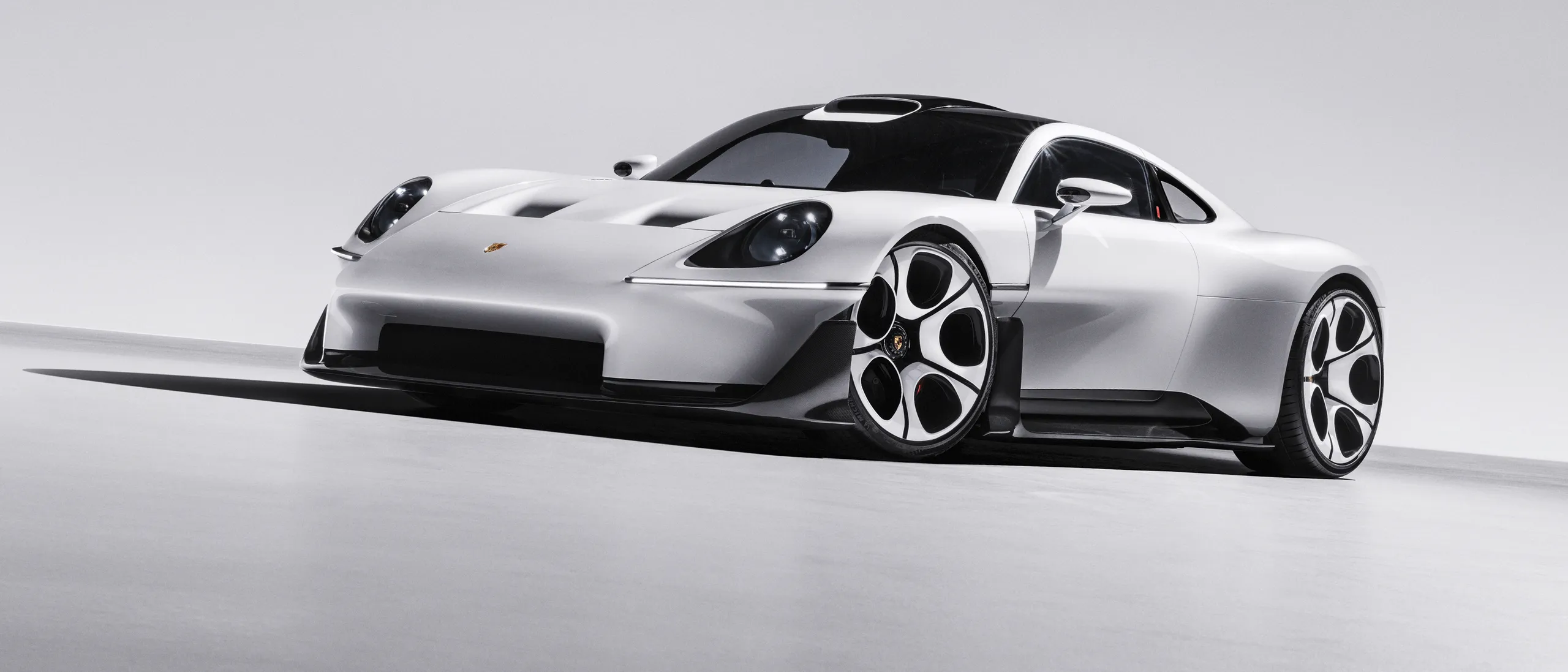
Mid-Engine Intent: Why the Porsche Mission S Concept Puts Maranello on Notice
Porsche’s proposed mid-engine supercar concept takes direct aim at the established hierarchy of Ferrari, McLaren, and Lamborghini.

Cheap Thrills or Pure Transport: Can the 2026 Hyundai Venue Deliver Real Fun?
Autoblog gets behind the wheel of Hyundai’s entry-level crossover to answer the modern market's rarest question: can true affordability still bring driving joy?
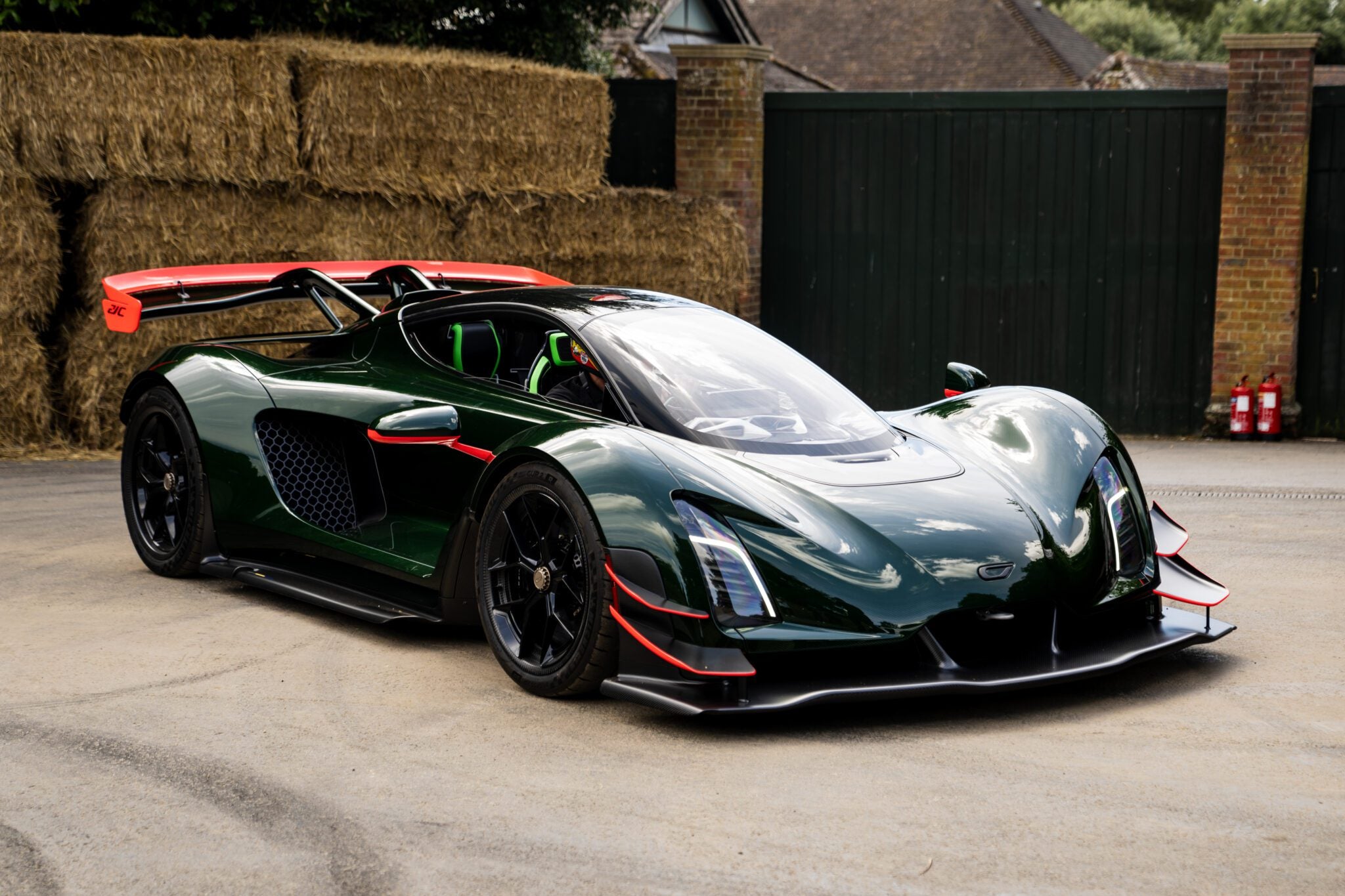
Carbon on the Boulevard: Miami Concours Unleashes the McLaren F1 GTR and Czinger 21C
From naturally aspirated icons to additive-manufactured track weapons, the Miami Design District stages a striking collision of generational hypercar design.
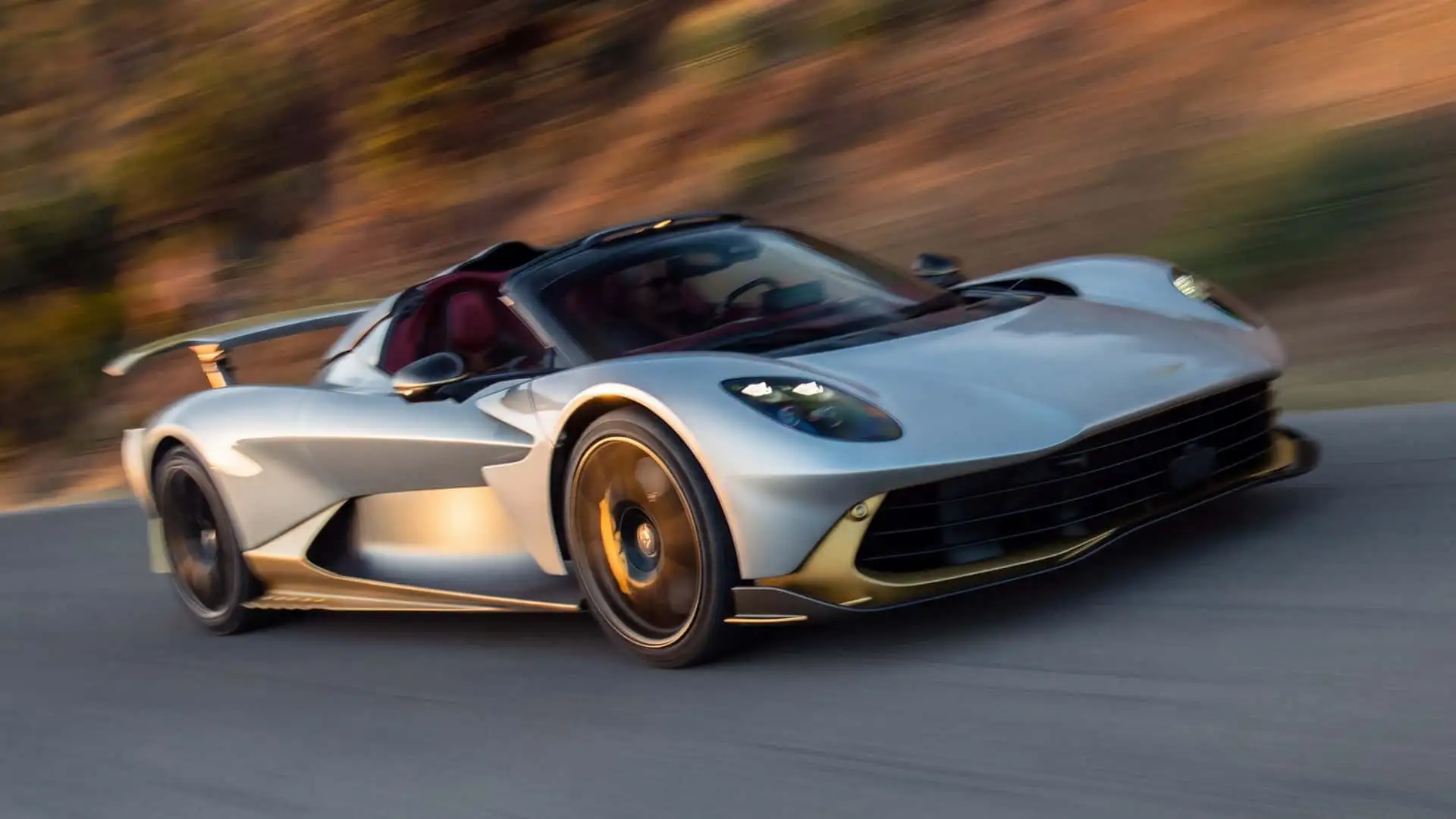
Roof Off, Vapour On: Aston Martin Unwraps the 1,079-PS Valhalla Spider
Gaydon takes the mid-engine hybrid formula to the Nevada desert, confirming 217 mph of open-air theatre at the Wynn Las Vegas Concours.
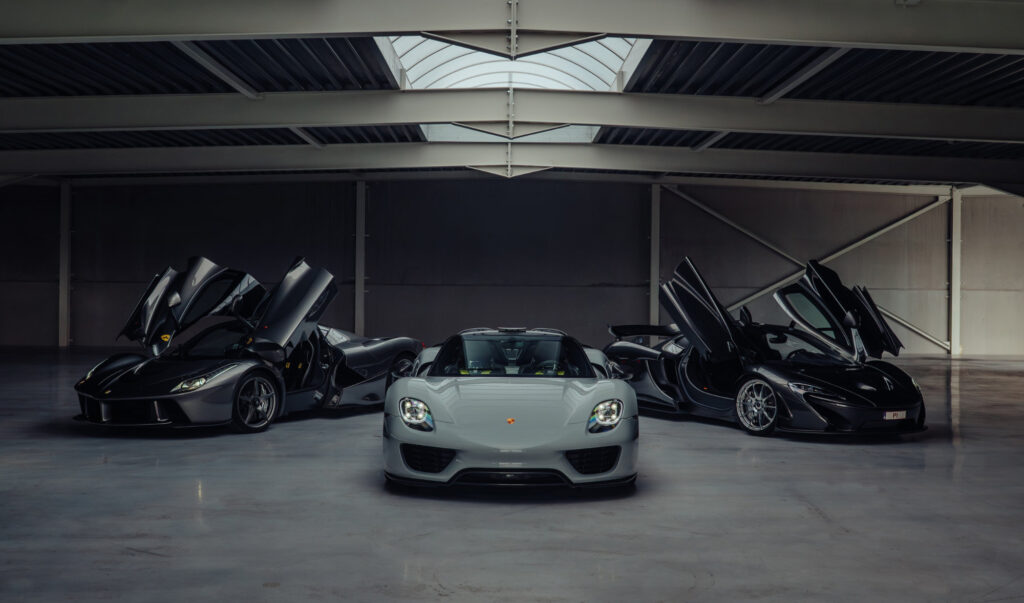
Three Paths Through the Voltage: Why the Holy Trinity Still Defines the Hypercar Era
A decade after the LaFerrari, Porsche 918 Spyder, and McLaren P1 rewrote the performance rulebook, their diverging hybrid blueprints remain the ultimate technical debate.

The Entry-Level Equation: Inside the 2026 Tesla Model 3’s Real-World Test
Fresh testing on the entry-level Model 3 evaluates whether Austin's baseline sedan still sets the pace for everyday range, charging speed, and affordable electric usability.
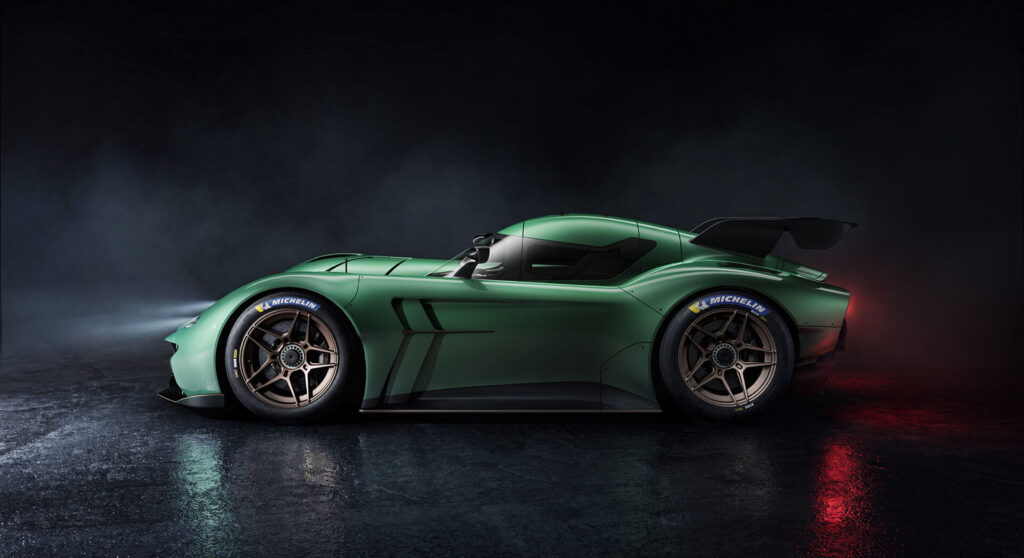
Ceiling Fanatic: The $1.3M McMurtry Spéirling Enters the Customer Grid
McMurtry’s record-shattering fan car is officially ready for the private track circuit with a seven-figure price tag and inverted aero claims.
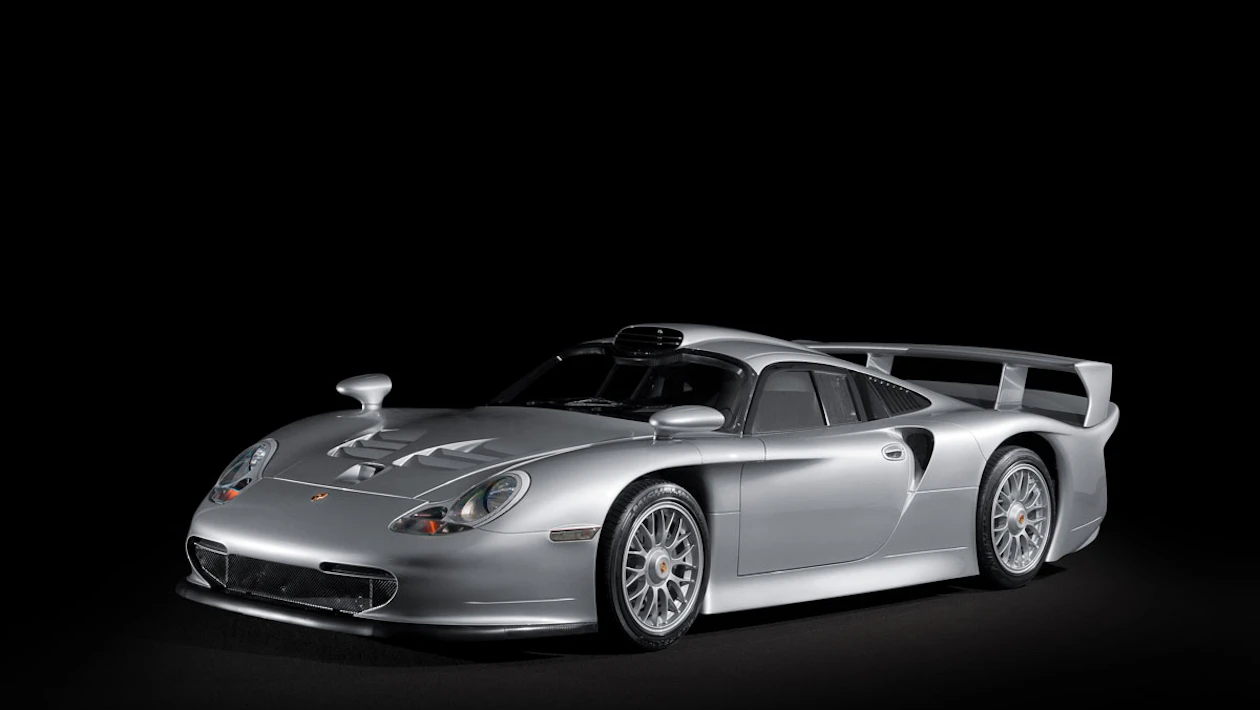
Unicorns on the Peninsula: The Million-Dollar Metal Defining Monterey 2026
From twin Porsche 911 GT1s to the Bugatti Mistral and Pagani Zonda, Monterey Car Week proves that modern hypercars still bow to homologation royalty.
Frequently asked
Why are manual sports cars becoming so rare?
Emissions regulations, the pursuit of faster lap times via automated gearboxes, and declining consumer demand have all contributed to the manual's dwindling presence. Manufacturers simply build what sells, and for most, that isn't a stick.
Are manual cars slower than automatics now?
Generally, yes, especially in a straight line. Modern dual-clutch and even torque-converter automatics shift faster and more efficiently than all but the most expert human drivers. The appeal of a manual is engagement, not outright speed.
Will manual transmissions disappear entirely?
Unlikely, but they will become niche. Expect them to persist in enthusiast-focused sports cars where driver involvement trumps ultimate performance metrics. Electric cars, by their nature, don't use multi-speed gearboxes, further shrinking the market.
Are manual sports cars more expensive to maintain?
Not necessarily. Clutch replacements are a wear item unique to manuals, but modern automatic transmissions can be incredibly complex and expensive to repair if they go wrong. Basic servicing costs are usually comparable.