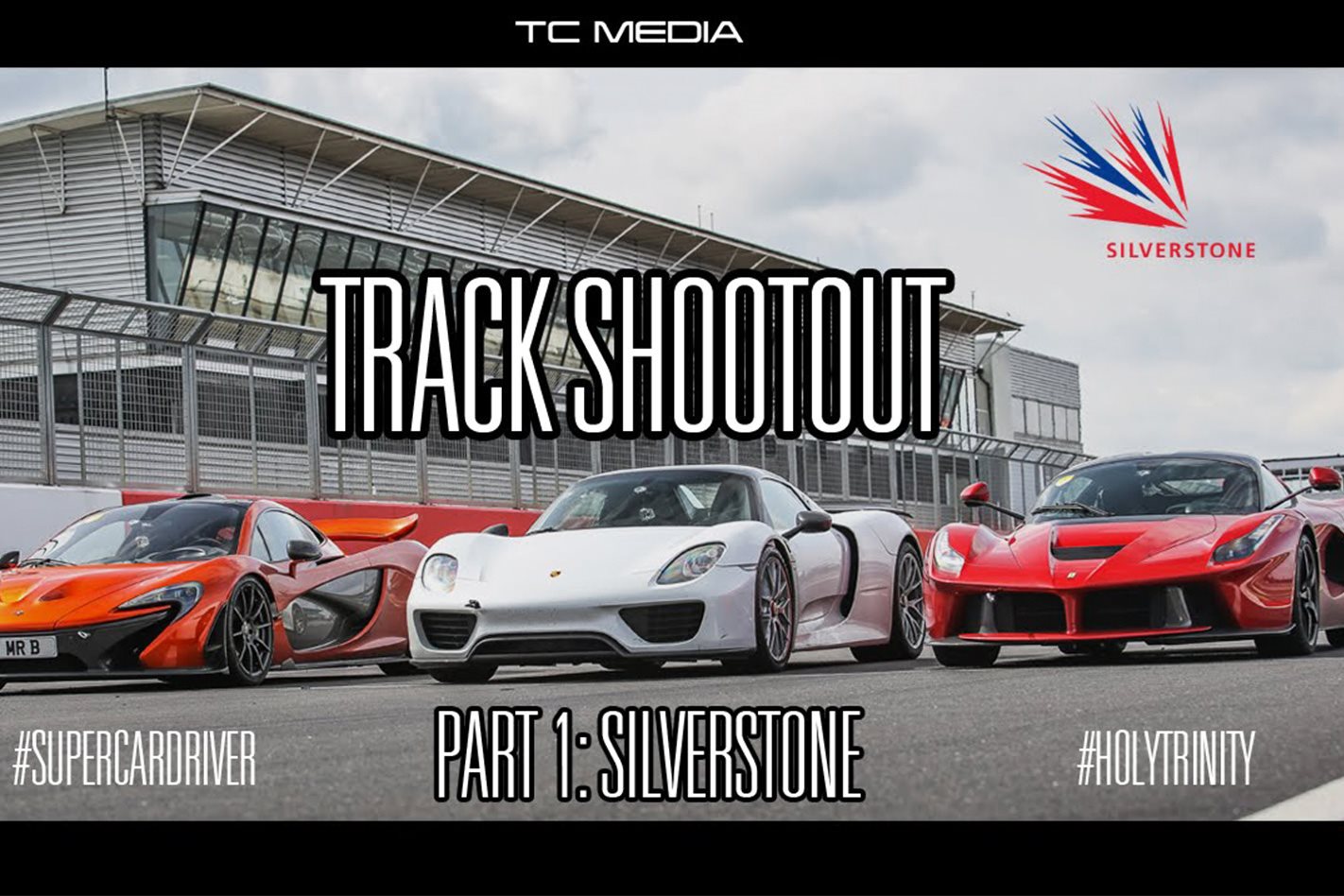
The Curvature of Speed: What Happens When Ferrari, McLaren, and Porsche Meet the Apex
Beyond static boulevard posturing, the ultimate mid-engine and hybrid weapons reveal their true mechanical hierarchies only under the relentless violence of circuit hot laps.
There is a profound disconnect between the sterile polish of concours lawns and the brutal, tire-shredding reality of a racing circuit. While watching a lineage of halo machines idle along manicured avenues provides aesthetic theatre, the actual character of high-performance machinery is forged exclusively between corner entry and track-out. When enthusiasts debate the pinnacle of modern performance, the conversation unfailingly converges on three sacred houses: Ferrari, McLaren, and Porsche.There is a profound disconnect between the sterile polish of concours lawns and the brutal, tire-shredding reality of a racing circuit. While watching a lineage of halo machines idle along manicured avenues provides aesthetic theatre, the actual character of high-performance machinery is forged exclusively between corner entry and track-out. When enthusiasts debate the pinnacle of modern performance, the conversation unfailingly converges on three sacred houses: Ferrari, McLaren, and Porsche.
The modern baseline for circuit violence was established when the hybrid hypercar benchmark was set by the 918 Spyder and LaFerrari, alongside McLaren's relentless pursuit of downforce and powertrain optimization. Deploying a 3.8-litre twin-turbo V8 paired with hybrid assistance to unleash 986 horsepower on track fundamentally altered driver comprehension of lateral load and longitudinal thrust. That level of track-bred potency demanded entirely new chassis dynamics and active aero calibrations to manage the transition from straight-line velocity to heavy braking zones.The modern baseline for circuit violence was established when the hybrid hypercar benchmark was set by the 918 Spyder and LaFerrari, alongside McLaren's relentless pursuit of downforce and powertrain optimization. Deploying a 3.8-litre twin-turbo V8 paired with hybrid assistance to unleash 986 horsepower on track fundamentally altered driver comprehension of lateral load and longitudinal thrust. That level of track-bred potency demanded entirely new chassis dynamics and active aero calibrations to manage the transition from straight-line velocity to heavy braking zones.
Bringing these marques together on circuit highlights distinct engineering philosophies. Ferrari has long engineered its mid-engine offerings to flatter the senses with razor-sharp steering racks and soaring naturally aspirated or hybrid powerplants. McLaren approaches the asphalt with cold, computational perfection, utilizing carbon-fibre tubs and hydraulic suspension interconnection to generate immense mechanical grip. Porsche, meanwhile, counters with unflinching rear-axle traction and chassis calibration that refuses to degrade even after twenty consecutive hot laps.Bringing these marques together on circuit highlights distinct engineering philosophies. Ferrari has long engineered its mid-engine offerings to flatter the senses with razor-sharp steering racks and soaring naturally aspirated or hybrid powerplants. McLaren approaches the asphalt with cold, computational perfection, utilizing carbon-fibre tubs and hydraulic suspension interconnection to generate immense mechanical grip. Porsche, meanwhile, counters with unflinching rear-axle traction and chassis calibration that refuses to degrade even after twenty consecutive hot laps.
The battleground continues to evolve as manufacturers explore concepts like the Porsche Mission S, expressly conceived to square off against Maranello, Woking, and Sant'Agata Bolognese for mid-engine track supremacy. Against established cornerstones like Lamborghini and Ferrari, the mandate remains unyielding: high-voltage architectures must translate into usable throttle modulation at the limit, rather than mere paper performance figures.The battleground continues to evolve as manufacturers explore concepts like the Porsche Mission S, expressly conceived to square off against Maranello, Woking, and Sant'Agata Bolognese for mid-engine track supremacy. Against established cornerstones like Lamborghini and Ferrari, the mandate remains unyielding: high-voltage architectures must translate into usable throttle modulation at the limit, rather than mere paper performance figures.
When drivers step into the cockpit of these dream machines on a dedicated circuit, the marketing veneer strips away instantly. The true test of a supercar is not how gracefully it sits beneath display lights, but how faithfully its front end communicates over kerbs when trail-braking into a high-speed apex.When drivers step into the cockpit of these dream machines on a dedicated circuit, the marketing veneer strips away instantly. The true test of a supercar is not how gracefully it sits beneath display lights, but how faithfully its front end communicates over kerbs when trail-braking into a high-speed apex.
"Deploying a 3.8-litre twin-turbo V8 paired with hybrid assistance to unleash 986 horsepower on track fundamentally altered driver comprehension of lateral load."
Why it matters
As mid-engine architectures embrace electrified powertrains, the battle for track supremacy between Ferrari, McLaren, and Porsche is no longer decided by brochure horsepower, but by thermal endurance and chassis fidelity at the limit. Understanding how these platforms perform under full circuit load reveals the true engineering depth behind the world's most coveted badges.
Sources
- 1.
- 2.
- 3.
- 4.
Reported by the Downforce & Divots desk from the sources above.
The clubhouse.
- No replies yet. Be the first.