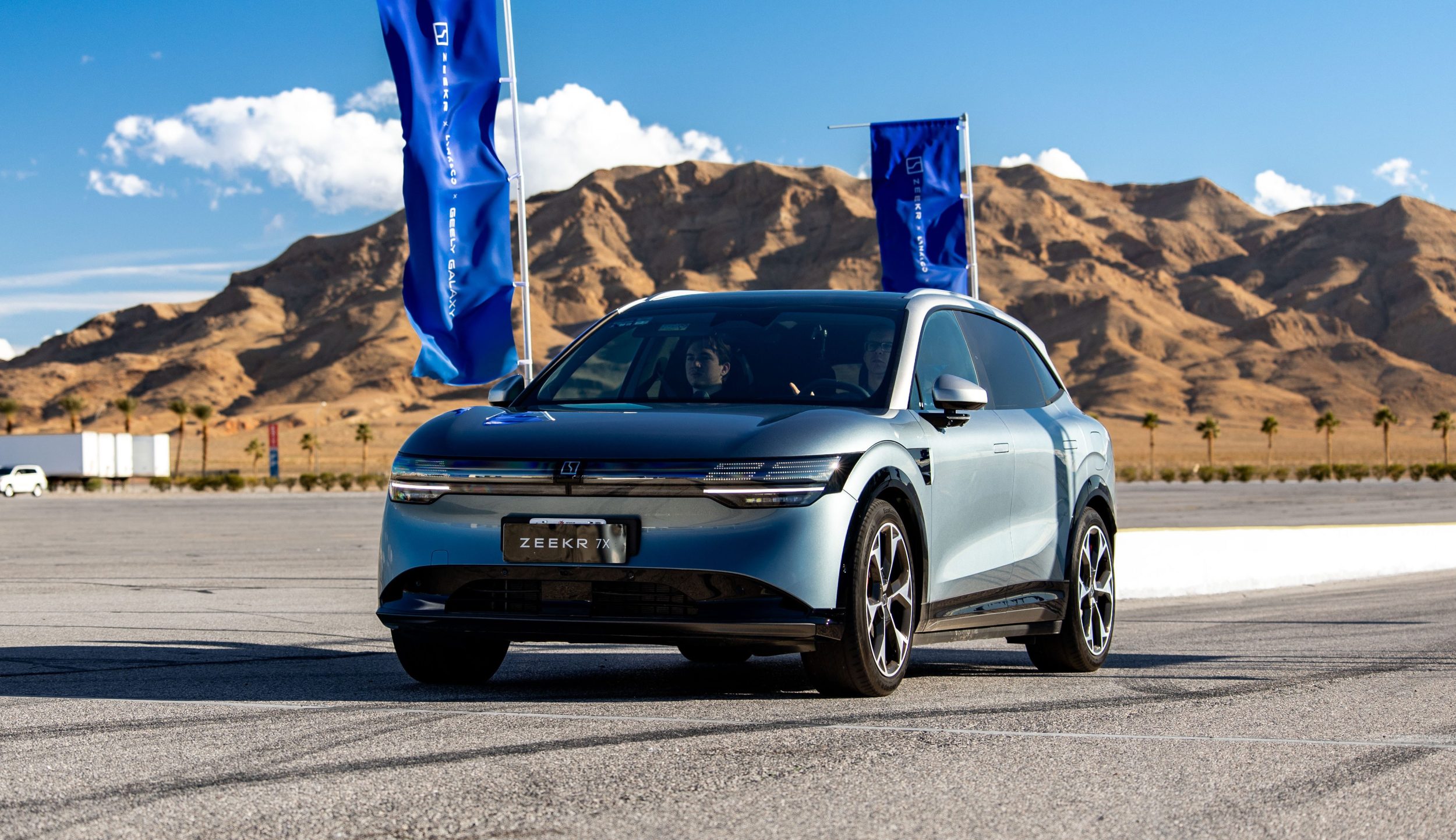
The Voltage Chasm: Why 800-Volt Architecture Is Leaving 400-Volt Icons Behind
Armed with a 96.3 kWh pack and 690 metric horsepower, the Zeekr 7X exposes the thermal and charging ceiling of legacy EV platforms.
Tesla remains the high-water mark for pure electric sales volume in major global markets, but underneath the sheet metal, a fundamental hardware divergence is underway. For the better part of a decade, 400-volt electrical architectures served as the undisputed industry standard, balancing cost and battery chemistry for mass-market crossovers. In 2026, however, that ceiling is cracking under pressure from a relentless wave of 800-volt platforms delivering real-world electrical throughput that legacy systems simply cannot match.Tesla remains the high-water mark for pure electric sales volume in major global markets, but underneath the sheet metal, a fundamental hardware divergence is underway. For the better part of a decade, 400-volt electrical architectures served as the undisputed industry standard, balancing cost and battery chemistry for mass-market crossovers. In 2026, however, that ceiling is cracking under pressure from a relentless wave of 800-volt platforms delivering real-world electrical throughput that legacy systems simply cannot match.
The tip of this architectural spear is the Zeekr 7X, a mid-size crossover engineered with the explicit goal of dismantling the Tesla Model Y’s specification dominance. Built from the ground up on high-voltage underpinnings, the 7X brings heavy-artillery numbers to the segment: housing a massive 96.3 kWh lithium-iron-phosphate (LFP) battery pack that delivers up to 835 kilometres of range on the CLTC cycle.
Raw straight-line output tells only half the story, though the figures are undeniably formidable. While base specifications offer plenty of pace, stepping up to the dual-motor all-wheel-drive tier yields 496 Ps in Pro guise and an eye-watering 690 Ps in top-flight Max trim. Yet in modern EV tech comparisons, kilowatt output at the wheels is rapidly becoming table stakes. The real battleground is kilowatt ingestion at the plug.Raw straight-line output tells only half the story, though the figures are undeniably formidable. While base specifications offer plenty of pace, stepping up to the dual-motor all-wheel-drive tier yields 496 Ps in Pro guise and an eye-watering 690 Ps in top-flight Max trim. Yet in modern EV tech comparisons, kilowatt output at the wheels is rapidly becoming table stakes. The real battleground is kilowatt ingestion at the plug.
This is where the 800-volt advantage turns into a rout. Because higher voltage allows massive current transfer with drastically reduced heat buildup and cable thickness, the 7X can execute a 10-to-80 percent DC fast-charging sweep in just 16 minutes. By contrast, 400-volt incumbents inevitably hit thermal throttling bottlenecks midway through the charging curve, forcing drivers to linger at public hubs while their battery management systems juggle heat mitigation.This is where the 800-volt advantage turns into a rout. Because higher voltage allows massive current transfer with drastically reduced heat buildup and cable thickness, the 7X can execute a 10-to-80 percent DC fast-charging sweep in just 16 minutes. By contrast, 400-volt incumbents inevitably hit thermal throttling bottlenecks midway through the charging curve, forcing drivers to linger at public hubs while their battery management systems juggle heat mitigation.
As global buyers survey the 2026 landscape of credible Tesla alternatives, the purchase decision is shifting from software ecosystems to fundamental electrical engineering. When an LFP-powered challenger can pair 690 metric horsepower with sub-twenty-minute rapid turnaround times, the 400-volt playbook no longer looks like conservative pragmatism—it looks like a generational bottleneck.As global buyers survey the 2026 landscape of credible Tesla alternatives, the purchase decision is shifting from software ecosystems to fundamental electrical engineering. When an LFP-powered challenger can pair 690 metric horsepower with sub-twenty-minute rapid turnaround times, the 400-volt playbook no longer looks like conservative pragmatism—it looks like a generational bottleneck.
Gallery
"Tesla is using 400V battery technology, while the competition is largely moving toward 800V or more."
Why it matters
The shift from 400-volt to 800-volt platforms marks the biggest inflection point in consumer EV performance since the advent of dedicated skateboard chassis. High-speed 16-minute charging curves and high-density LFP packs are rewriting the baseline standards for mid-size electric crossovers.
Sources
- 1.The best EVs? We've chosen 16 of them - Car Magazinecarmagazine.co.uk
- 2.The Best Tesla Alternatives In 2026 - InsideEVsinsideevs.com
- 3.
- 4.
Reported by the Downforce & Divots desk from the sources above.
The clubhouse.
- No replies yet. Be the first.