The Tortoise Beats the Algorithm: Why Mercedes, BMW, and Hyundai Own the Long Game in EV Batteries
A comprehensive study of second-hand electric vehicle health reveals that conservative German and Korean battery architecture is soundly beating Silicon Valley over the long haul.
For the better part of a decade, the narrative surrounding electric vehicle powertrains has been dictated by Silicon Valley orthodoxy: relentless over-the-air calibrations, peak charging speeds, and aggressive battery management software designed to extract maximum performance from every cell. Yet real-world longevity is beginning to tell an entirely different story. A comprehensive study evaluating the long-term battery health of used electric vehicles has upended long-standing assumptions, placing Mercedes-Benz, BMW, and Hyundai at the top of the degradation charts while Tesla models languished in the bottom third.For the better part of a decade, the narrative surrounding electric vehicle powertrains has been dictated by Silicon Valley orthodoxy: relentless over-the-air calibrations, peak charging speeds, and aggressive battery management software designed to extract maximum performance from every cell. Yet real-world longevity is beginning to tell an entirely different story. A comprehensive study evaluating the long-term battery health of used electric vehicles has upended long-standing assumptions, placing Mercedes-Benz, BMW, and Hyundai at the top of the degradation charts while Tesla models languished in the bottom third.
The findings provide a sobering benchmark for the secondary EV market. While Tesla’s proprietary battery management algorithms have long been lauded for squeezing efficiency out of compact pack architectures, the empirical data from used vehicle fleets demonstrates that legacy manufacturing discipline—particularly the conservative thermal buffering favoured by Stuttgart, Munich, and Seoul—yields significantly more durable electrochemical packs over sustained mileage cycles.The findings provide a sobering benchmark for the secondary EV market. While Tesla’s proprietary battery management algorithms have long been lauded for squeezing efficiency out of compact pack architectures, the empirical data from used vehicle fleets demonstrates that legacy manufacturing discipline—particularly the conservative thermal buffering favoured by Stuttgart, Munich, and Seoul—yields significantly more durable electrochemical packs over sustained mileage cycles.
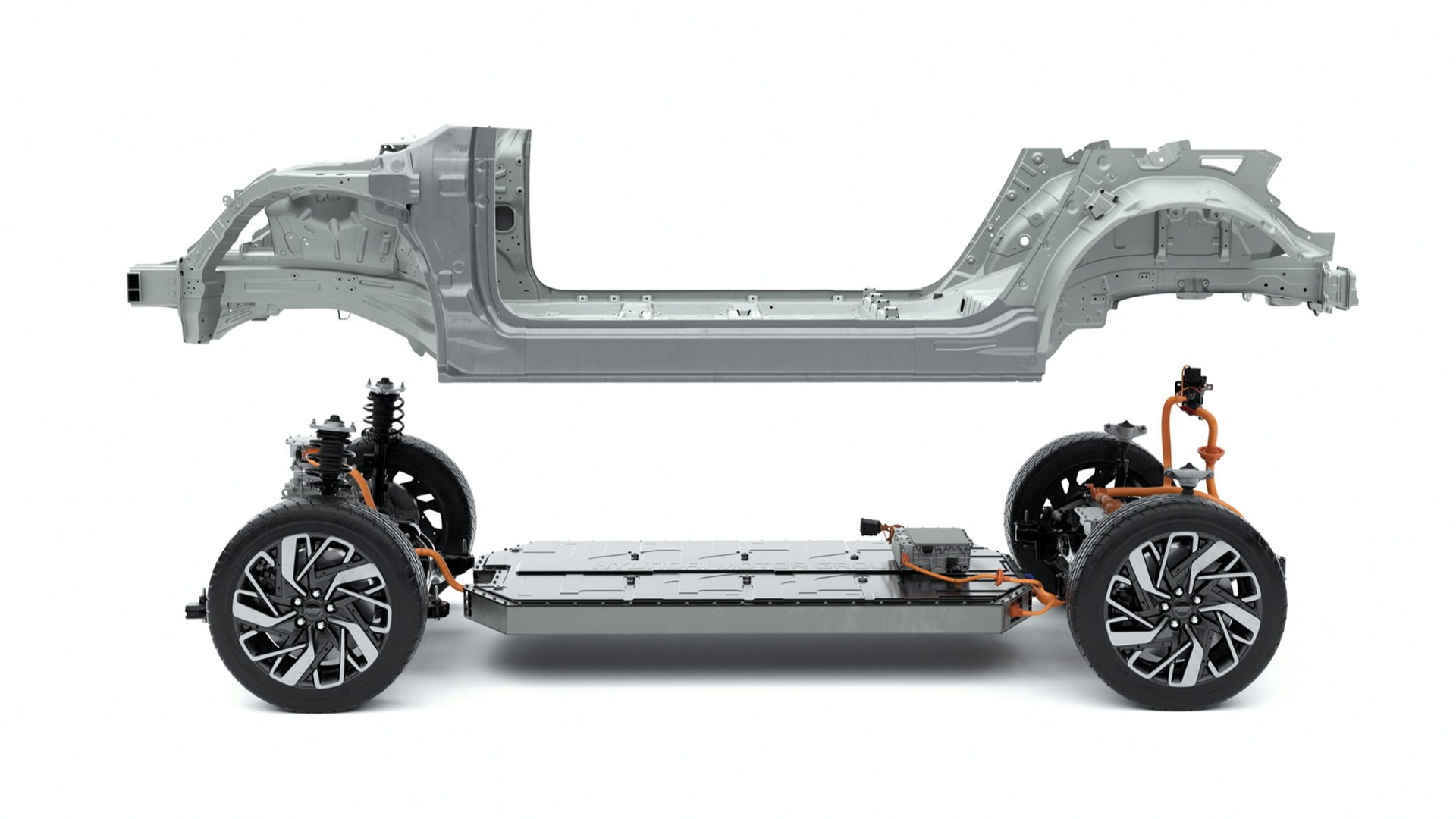
Mercedes and BMW have taken a notoriously cautious approach to peak DC fast-charging curves, prioritising liquid cooling overhead and modest usable capacity windows over headline-grabbing sprint stats. Hyundai’s E-GMP platform, meanwhile, blends advanced multi-charging hardware with robust thermal regulation that protects cell chemistry under repeated high-voltage loads. The result is a secondary fleet that retains usable range and state-of-charge integrity far better than early market projections anticipated.Mercedes and BMW have taken a notoriously cautious approach to peak DC fast-charging curves, prioritising liquid cooling overhead and modest usable capacity windows over headline-grabbing sprint stats. Hyundai’s E-GMP platform, meanwhile, blends advanced multi-charging hardware with robust thermal regulation that protects cell chemistry under repeated high-voltage loads. The result is a secondary fleet that retains usable range and state-of-charge integrity far better than early market projections anticipated.
By contrast, landing in the bottom third of battery health metrics is an uncomfortable reality check for Tesla. As the used EV sector matures—driven by salary sacrifice schemes, corporate fleet rotations, and growing consumer scrutiny over residual values—pack retention has replaced 0-60 mph times as the defining metric of residual vehicle worth.By contrast, landing in the bottom third of battery health metrics is an uncomfortable reality check for Tesla. As the used EV sector matures—driven by salary sacrifice schemes, corporate fleet rotations, and growing consumer scrutiny over residual values—pack retention has replaced 0-60 mph times as the defining metric of residual vehicle worth.
In the high-stakes transition to electrification, raw software ambition got the pioneer out of the gate first, but the industrial titans of Germany and South Korea are proving that deep-rooted automotive hardware engineering still wins the marathon.In the high-stakes transition to electrification, raw software ambition got the pioneer out of the gate first, but the industrial titans of Germany and South Korea are proving that deep-rooted automotive hardware engineering still wins the marathon.
Gallery
"Tesla models landed in the bottom third of the study, while Mercedes, Hyundai, and BMW led the field."
Why it matters
Secondary market viability is the true test of EV mass adoption. As battery health data separates real-world durability from software hype, conservative thermal engineering is emerging as the winning formula for long-term residual value.
Sources
- 1.
- 2.
- 3.The 10 Longest Range Electric Cars in the UK (2026) | loveelectricloveelectric.cars
- 4.Top 10 Longest Range Electric Cars in 2026 - Select Car Leasingselectcarleasing.co.uk
Reported by the Downforce & Divots desk from the sources above.
The clubhouse.
- No replies yet. Be the first.