The Three-Quarter Threshold: Inside the Retail Surge Starving Legacy Metal in China
New Energy Vehicles seize an unprecedented 74.9 percent of retail volume as domestic powerhouses outmuscle Western benchmarks on range, power, and cost.
The internal combustion engine’s defensive line in the world’s largest automotive arena has officially broken. During early November retail tracking, China’s new energy vehicles captured a staggering 74.9 percent of total vehicle sales, according to data monitored by the China Passenger Car Association. What was once framed as an extended generational transition has condensed into an outright rout, leaving traditional foreign platforms competing for scraps of a rapidly evaporating single-quarter market share.The internal combustion engine’s defensive line in the world’s largest automotive arena has officially broken. During early November retail tracking, China’s new energy vehicles captured a staggering 74.9 percent of total vehicle sales, according to data monitored by the China Passenger Car Association. What was once framed as an extended generational transition has condensed into an outright rout, leaving traditional foreign platforms competing for scraps of a rapidly evaporating single-quarter market share.
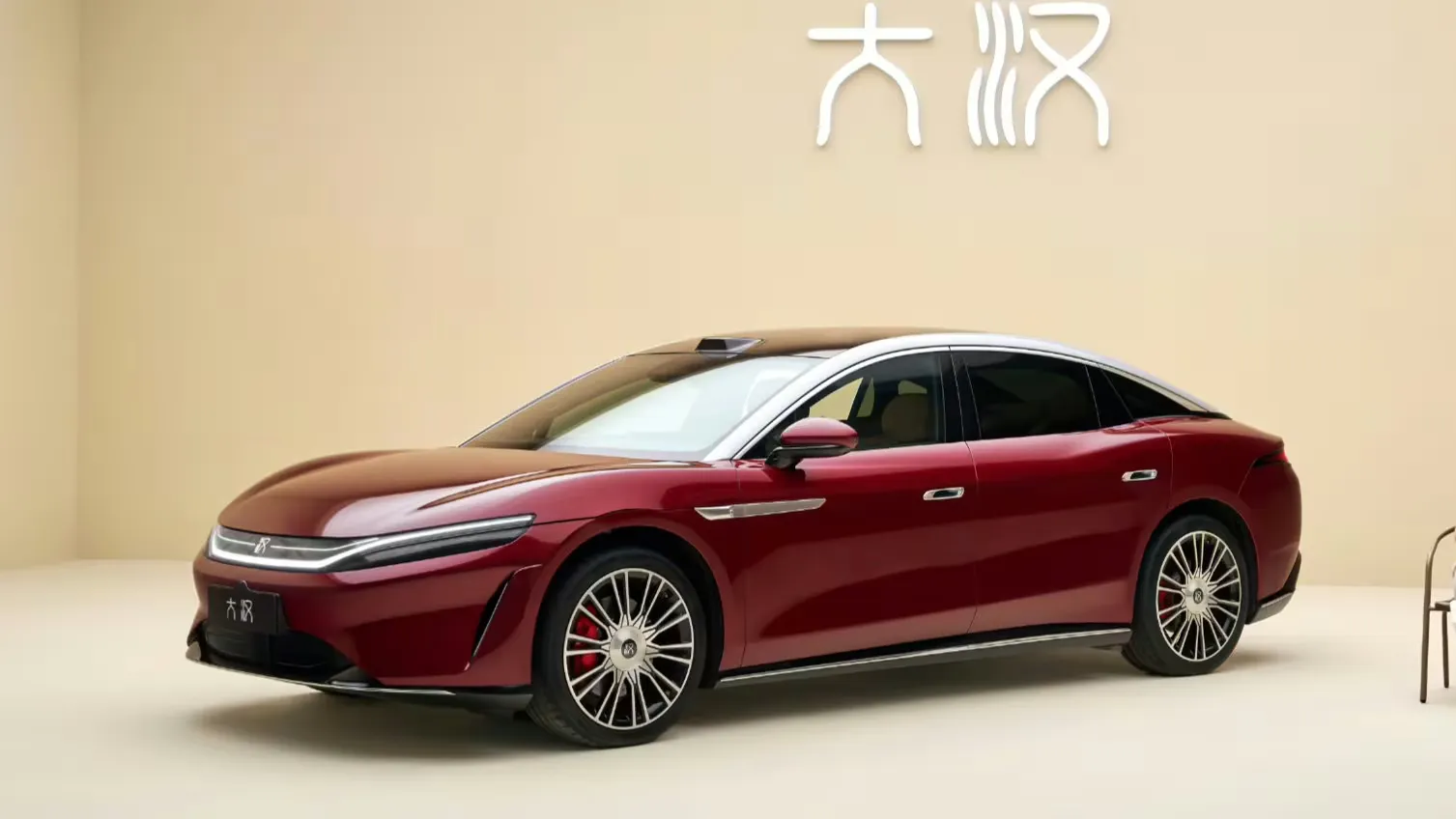
The velocity of this turnover is being driven not merely by volume commuters, but by an aggressive assault across every market tier. At the epicenter sits Shenzhen-based BYD, founded by Wang Chuanfu in 1995. Having abandoned pure combustion vehicle production entirely back in 2022, the manufacturing titan has deployed a dense multi-tier portfolio spanning its core Dynasty and Ocean model lines up through premium banners Denza, Fang Cheng Bao, and the ultra-luxury Yangwang imprint.
Crucially, the dominance of Chinese NEVs in 2026 is no longer an economic argument restricted to price parity. Across consumer forums and test facilities, the quartet of BYD, NIO, XPeng, and Zeekr has systematically outpaced legacy European and American marques across range metrics, charging architectures, and retail price points—frequently holding all three advantages concurrently.
Performance ceilings have shattered alongside sales records. Geely subsidiary Zeekr demonstrated the industrial appetite for excess with the 001 FR, deploying a quad-motor architecture producing an astonishing 1,300 horsepower. When a mainstream domestic brand can roll out quadruple-digit output and bespoke track hardware while maintaining aggressive volume pricing, the value proposition of traditional European performance divisions begins to look dangerously antiquated.
Behind the headline 74.9 percent capture rate, however, structural friction is emerging. The CPCA has begun flagging inventory pressures and retail stocking dynamics as domestic manufacturers race to lock down year-end volume. With pure internal combustion hardware marginalized to just one in every four showroom transactions, the sheer density of domestic NEV showroom throughput is creating an internal arms race among local players.Behind the headline 74.9 percent capture rate, however, structural friction is emerging. The CPCA has begun flagging inventory pressures and retail stocking dynamics as domestic manufacturers race to lock down year-end volume. With pure internal combustion hardware marginalized to just one in every four showroom transactions, the sheer density of domestic NEV showroom throughput is creating an internal arms race among local players.
That domestic squeeze is precisely what is accelerating the global export rush. Backed by proprietary Blade Battery supply lines and in-house semiconductor fabrication, BYD and its peers are leveraging their domestic scale to push dedicated export flotillas across Europe, Latin America, and Southeast Asia. With three-quarters of their home market already electrified, China's automakers are no longer testing foreign waters—they are seeking new territory because their home turf has already been thoroughly conquered.That domestic squeeze is precisely what is accelerating the global export rush. Backed by proprietary Blade Battery supply lines and in-house semiconductor fabrication, BYD and its peers are leveraging their domestic scale to push dedicated export flotillas across Europe, Latin America, and Southeast Asia. With three-quarters of their home market already electrified, China's automakers are no longer testing foreign waters—they are seeking new territory because their home turf has already been thoroughly conquered.
Gallery
"In 2026, BYD, NIO, XPeng, and Zeekr are beating European and American brands on range, charging speed, and price."
Why it matters
Crossing the 74.9 percent retail threshold marks the functional extinction of pure combustion sales as a dominant force in China. As domestic manufacturers saturate their home market, their structural cost advantages and 1,300-horsepower halo vehicles are pivoting directly toward global export hubs.
Sources
- 1.BYD News, Sales, & New Modelscnevpost.com
- 2.
- 3.China NEVs grab 74.9% of early November retail as CPCA ...globalchinaev.com
- 4.
Reported by the Downforce & Divots desk from the sources above.
The clubhouse.
- No replies yet. Be the first.