The Orient Express: How China Overtook the Establishment
As China eclipses Japan to become the primary source of new vehicles in Australia, the traditional premium guard is facing a tech-heavy existential crisis.
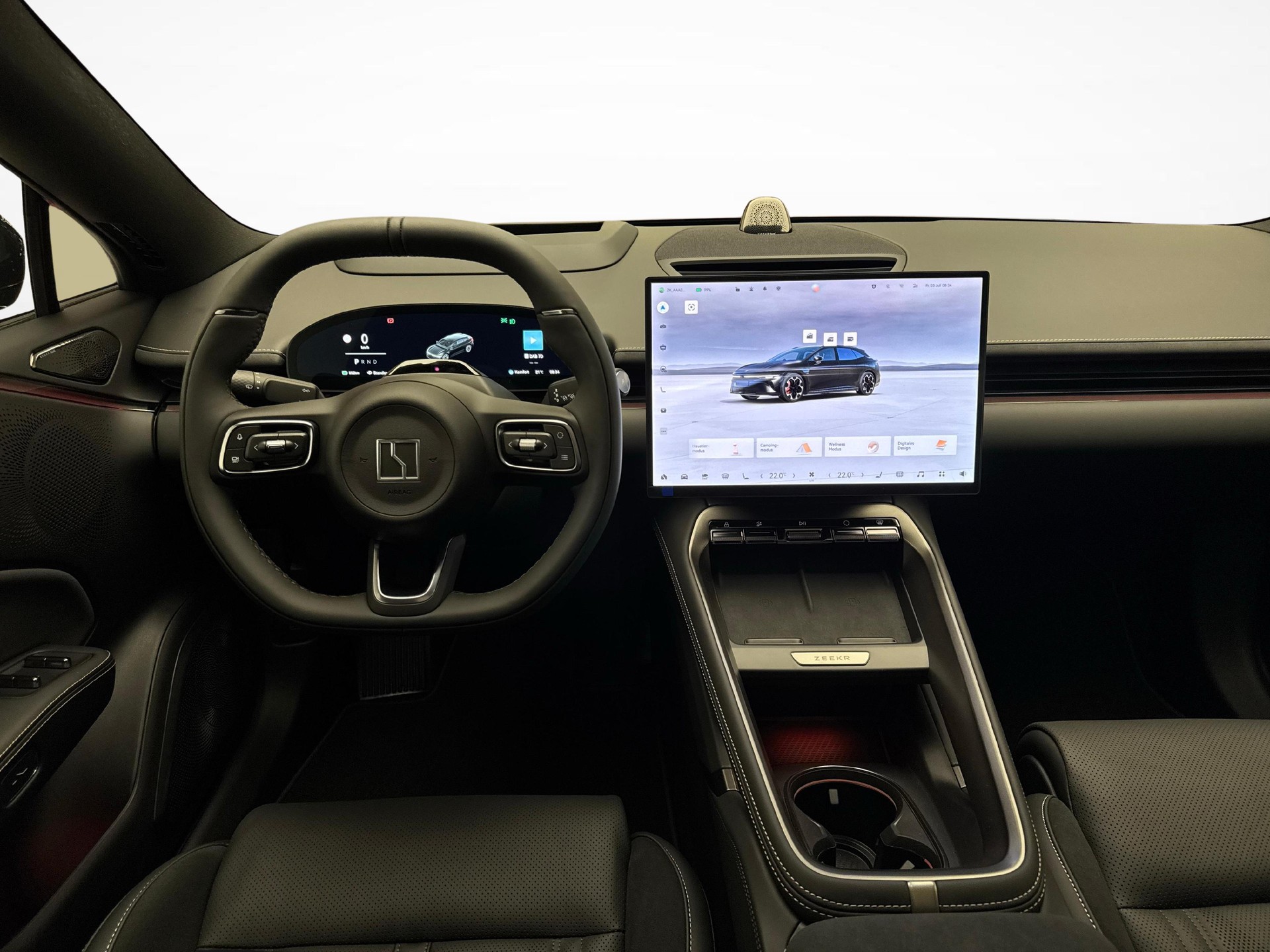
The tectonic plates of the automotive industry haven't just shifted; they have completely reconfigured the map. According to recent data from RACV, China has officially overtaken Japan as the largest source of new vehicles in the Australian market. This isn't merely a surge in budget runabouts; it is a full-scale invasion of brands like BYD, MG, GWM, Chery, and the increasingly sophisticated Jaecoo and Zeekr.
The narrative that Chinese vehicles are simply cheaper alternatives is rapidly decaying. A new wave of tech-focused makers, including smartphone giants venturing into the EV space, is prioritising luxury and interface over legacy branding. For the discerning driver, the appeal is shifting from the badge on the grille to the silicon under the skin, with many premium Chinese models now outclassing European rivals in terms of materials and range.The narrative that Chinese vehicles are simply cheaper alternatives is rapidly decaying. A new wave of tech-focused makers, including smartphone giants venturing into the EV space, is prioritising luxury and interface over legacy branding. For the discerning driver, the appeal is shifting from the badge on the grille to the silicon under the skin, with many premium Chinese models now outclassing European rivals in terms of materials and range.
Take the Geely EX2, for instance—a pistachio-green city car that blends cloverleaf alloy designs with a level of tech integration that makes established German marques look positively analogue. The influx of brands like XPeng and Zeekr suggests that the 'tech-focused' driver is no longer looking toward Stuttgart or Crewe, but toward the software hubs of Shenzhen.
Performance is the new battleground. Industry analysts note that in many cases, Chinese premium cars are now objectively 'more premium' than their European counterparts. This superiority isn't limited to just acceleration; it extends to battery density, interior material quality, and autonomous driving suites that are being rolled out at a pace the old guard simply cannot match.Performance is the new battleground. Industry analysts note that in many cases, Chinese premium cars are now objectively 'more premium' than their European counterparts. This superiority isn't limited to just acceleration; it extends to battery density, interior material quality, and autonomous driving suites that are being rolled out at a pace the old guard simply cannot match.
This shift is also reaching the rugged utility sector. While the UK and Australian markets compare the latest electric pickups and SUVs, the conversation has moved toward reliability and imitation. Social commentary within the industry suggests that even 'Mini Defender' EV knock-offs are being viewed as potentially more reliable than the complex, legacy-burdened originals they mimic.This shift is also reaching the rugged utility sector. While the UK and Australian markets compare the latest electric pickups and SUVs, the conversation has moved toward reliability and imitation. Social commentary within the industry suggests that even 'Mini Defender' EV knock-offs are being viewed as potentially more reliable than the complex, legacy-burdened originals they mimic.
For the UK market, the 2026 landscape is equally transformative. As guides to the longest-range EVs and best electric pickups become essential reading, the dominance of these new players is hard to ignore. The question for the 2026 buyer isn't just about whether a car is electric, but whether a traditional manufacturer can provide the same level of integrated technology as a brand that treated the car as a rolling computer from day one.For the UK market, the 2026 landscape is equally transformative. As guides to the longest-range EVs and best electric pickups become essential reading, the dominance of these new players is hard to ignore. The question for the 2026 buyer isn't just about whether a car is electric, but whether a traditional manufacturer can provide the same level of integrated technology as a brand that treated the car as a rolling computer from day one.
Safety and ownership costs remain the final hurdles for consumer trust, yet the sheer volume of models from GWM and BYD now populating the roads suggests that these barriers are falling. As these brands continue to refine their premium offerings, the automotive establishment finds itself in an unfamiliar position: playing catch-up to a new standard of luxury that is as much about software updates as it is about leather stitching.Safety and ownership costs remain the final hurdles for consumer trust, yet the sheer volume of models from GWM and BYD now populating the roads suggests that these barriers are falling. As these brands continue to refine their premium offerings, the automotive establishment finds itself in an unfamiliar position: playing catch-up to a new standard of luxury that is as much about software updates as it is about leather stitching.
Gallery
"In many cases Chinese premium cars are more premium than European cars, in terms of performance, materials, range and technology."
Why it matters
The displacement of Japan by China as the leading vehicle exporter to Australia is a global bellwether. It signals that the 'premium' label is being redefined by tech-first Chinese manufacturers who are now outperforming European legacy brands in range and build quality.
Sources
- 1.The 10 Longest Range Electric Cars in the UK (2026)loveelectric.cars
- 2.
- 3.
- 4.
Reported by the Downforce & Divots desk from the sources above.
The clubhouse.
- No replies yet. Be the first.