The Efficiency Gap: Why European EVs are Losing the Range War
As Chinese manufacturers flood the market with high-density batteries and superior kilowatt-per-mile metrics, the Continental establishment is facing a brutal reality check.
The paddock chatter this season isn’t just about lap times; it is about the cold, hard mathematics of energy density. While European manufacturers have long leaned on their heritage and badge prestige, the 2026 electric vehicle landscape has revealed a startling disparity in how effectively cars use the juice in their cells. Chinese automakers, once dismissed as makers of cut-price commuters, are now delivering machines that pair massive battery capacities with a level of energy efficiency that is leaving European rivals looking overweight and under-engineered.The paddock chatter this season isn’t just about lap times; it is about the cold, hard mathematics of energy density. While European manufacturers have long leaned on their heritage and badge prestige, the 2026 electric vehicle landscape has revealed a startling disparity in how effectively cars use the juice in their cells. Chinese automakers, once dismissed as makers of cut-price commuters, are now delivering machines that pair massive battery capacities with a level of energy efficiency that is leaving European rivals looking overweight and under-engineered.
Data from the International Energy Agency’s 2025 and 2026 outlooks suggests a tectonic shift in the industrial center of gravity. It is no longer just about who can build the most cars, but who can squeeze the most range out of a single charge. Observations from recent efficiency testing highlights a recurring trend: even with larger battery packs, Chinese models are demonstrating a sophisticated grip on thermal management and power draw that many European counterparts struggle to match.Data from the International Energy Agency’s 2025 and 2026 outlooks suggests a tectonic shift in the industrial center of gravity. It is no longer just about who can build the most cars, but who can squeeze the most range out of a single charge. Observations from recent efficiency testing highlights a recurring trend: even with larger battery packs, Chinese models are demonstrating a sophisticated grip on thermal management and power draw that many European counterparts struggle to match.
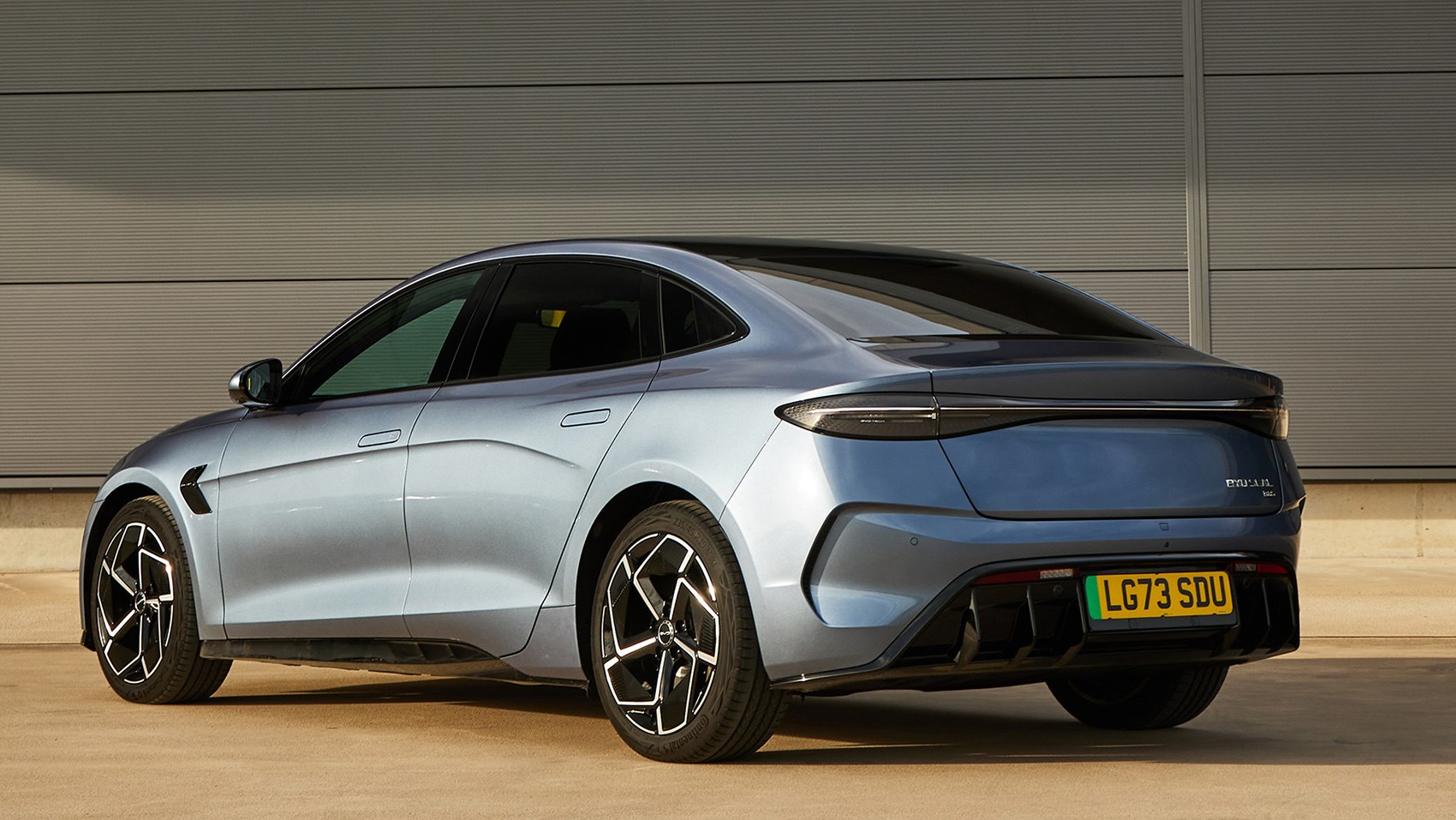
Take the BYD Seal, a car that has rapidly become a benchmark for the segment. It isn't just about the physical size of the battery; it’s the holistic integration of the powertrain. While European legacy brands are often hampered by legacy platforms adapted for electric use, the latest wave of Chinese imports—as noted by industry reviewers at Carwow—benefit from clean-sheet designs that prioritize aerodynamic slickness and minimal internal friction. This isn't a race for top speed; it’s a race for the most efficient kilowatt-hour.
For the luxury consumer who once defaulted to Tesla or a German flagship, the landscape has changed. Real-world feedback from long-term Tesla owners who have cross-shopped with high-end Chinese luxury EVs suggests the ‘gap’ has been closed and, in some cases, reversed. The verdict from the street is becoming increasingly clear: the ‘it’s over’ sentiment regarding Western dominance isn't hyperbole; it is a reflection of the rapid technological iterations coming out of the East.For the luxury consumer who once defaulted to Tesla or a German flagship, the landscape has changed. Real-world feedback from long-term Tesla owners who have cross-shopped with high-end Chinese luxury EVs suggests the ‘gap’ has been closed and, in some cases, reversed. The verdict from the street is becoming increasingly clear: the ‘it’s over’ sentiment regarding Western dominance isn't hyperbole; it is a reflection of the rapid technological iterations coming out of the East.
The European response remains focused on premium finishes and driving dynamics, but as one Reddit-based technical analysis of the Euro-EV market points out, a larger battery is a liability if the drivetrain isn't efficient enough to move the extra weight. The Chinese are managing to pack higher density into their cells, allowing for greater range without the traditional penalty of a bloated curb weight. It is a technical masterclass that the establishment didn't see coming.The European response remains focused on premium finishes and driving dynamics, but as one Reddit-based technical analysis of the Euro-EV market points out, a larger battery is a liability if the drivetrain isn't efficient enough to move the extra weight. The Chinese are managing to pack higher density into their cells, allowing for greater range without the traditional penalty of a bloated curb weight. It is a technical masterclass that the establishment didn't see coming.
As we look toward the remainder of 2026, the question for the European ‘old guard’ is no longer whether they can build an EV, but whether they can build one that doesn't require a charge every time the driver shows a bit of spirit. The efficiency figures don't lie, and right now, the momentum is moving East at a rate that is frankly alarming for the boardrooms in Stuttgart and Munich.As we look toward the remainder of 2026, the question for the European ‘old guard’ is no longer whether they can build an EV, but whether they can build one that doesn't require a charge every time the driver shows a bit of spirit. The efficiency figures don't lie, and right now, the momentum is moving East at a rate that is frankly alarming for the boardrooms in Stuttgart and Munich.
Gallery
"I am surprised at the difference between the efficiency of European EVs and Chinese ones. With a larger battery, most Chinese models have the edge."
Why it matters
The shift in EV supremacy is no longer about price—it is about a fundamental technological lead in energy efficiency and battery density. If European manufacturers cannot close this gap, they risk becoming luxury niche players in a market dominated by Chinese engineering.
Sources
- 1.
- 2.
- 3.
- 4.
Reported by the Downforce & Divots desk from the sources above.
The clubhouse.
- No replies yet. Be the first.