Editor's Guide · Updated October 2026

The Best Golf Launch Monitors for Home Simulators and Practice

The short answer

The Bushnell Launch Pro is the best launch monitor for most home setups, delivering the exact same camera-based ball data as the $7,000 Foresight GC3 but at a fraction of the upfront price. If you are on a strict budget, the Rapsodo MLM2PRO offers the best indoor spin measurement under $1,000. For dedicated, permanent simulator builds, the ceiling-mounted Trackman iO is the superior, albeit expensive, choice.

Building a home golf simulator used to require a second mortgage. Today, the launch monitor market is split into distinct tiers: budget radar units that estimate spin, mid-tier camera systems delivering tour-level ball data, and commercial ceiling-mounted rigs. This guide cuts through the marketing noise to highlight exactly what data each unit actually measures versus what it simply guesses based on ball speed and launch angle.

Your choice should be dictated entirely by your room dimensions and your tolerance for annual subscriptions. Radar units need significant depth to watch the ball fly, while camera-based units only need a few inches of visibility. We focus heavily on the $500 to $4,500 segment, which offers the best return on investment for the home user looking to groove their swing or play virtual rounds on a Friday night.

We purchase or borrow these units directly and test them head-to-head against benchmark commercial systems. We do not accept affiliate kickbacks for favorable rankings. Updated October 2026.

At a glance

PickAwardTracking TechMinimum SpaceData Accuracy FocusClub TrackingHidden CostsPrice
Bushnell Launch ProBest overallTriple CameraFits any space you can swing a clubMeasured Ball Data, Measured SpinRequires club face stickersHigh annual subscription for sim software~$1,999 + $499/yr subscription
SkyTrak+Best mid-tier for tight indoor spacesDual (Camera + Radar)Fits any space you can swing a clubMeasured Ball Data, Estimated Club DataStickerless via radarMid-tier annual subscription~$2,995
Rapsodo MLM2PROBest under $1,000 for simulationDual (Camera + Radar)8 feet behind the ballMeasured Spin (with special balls)Basic club speed only$199/yr premium membership~$699
Uneekor EYE MINIBest portable unit for dedicated sim buildsDual High-Speed CameraFits any space you can swing a clubMeasured Ball Data, High-speed impact videoRequires club face stickersPro package required for 3rd party sim software~$4,500
Trackman iOBest cost-no-object indoor simulatorCamera & InfraredCeiling mount, no floor space neededTour-grade Ball and Club DataStickerless via cameraAnnual software/support fees~$14,000
Garmin Approach R10Best budget radar for outdoor useDoppler Radar6 to 8 feet behind the ballEstimated Spin indoors, Measured outdoorsEstimated path and faceGarmin Golf app subscription for sim play~$599

The picks

01 · Best overall

Bushnell Launch Pro

Best for: Serious golfers building a mid-tier garage or spare-room simulator.

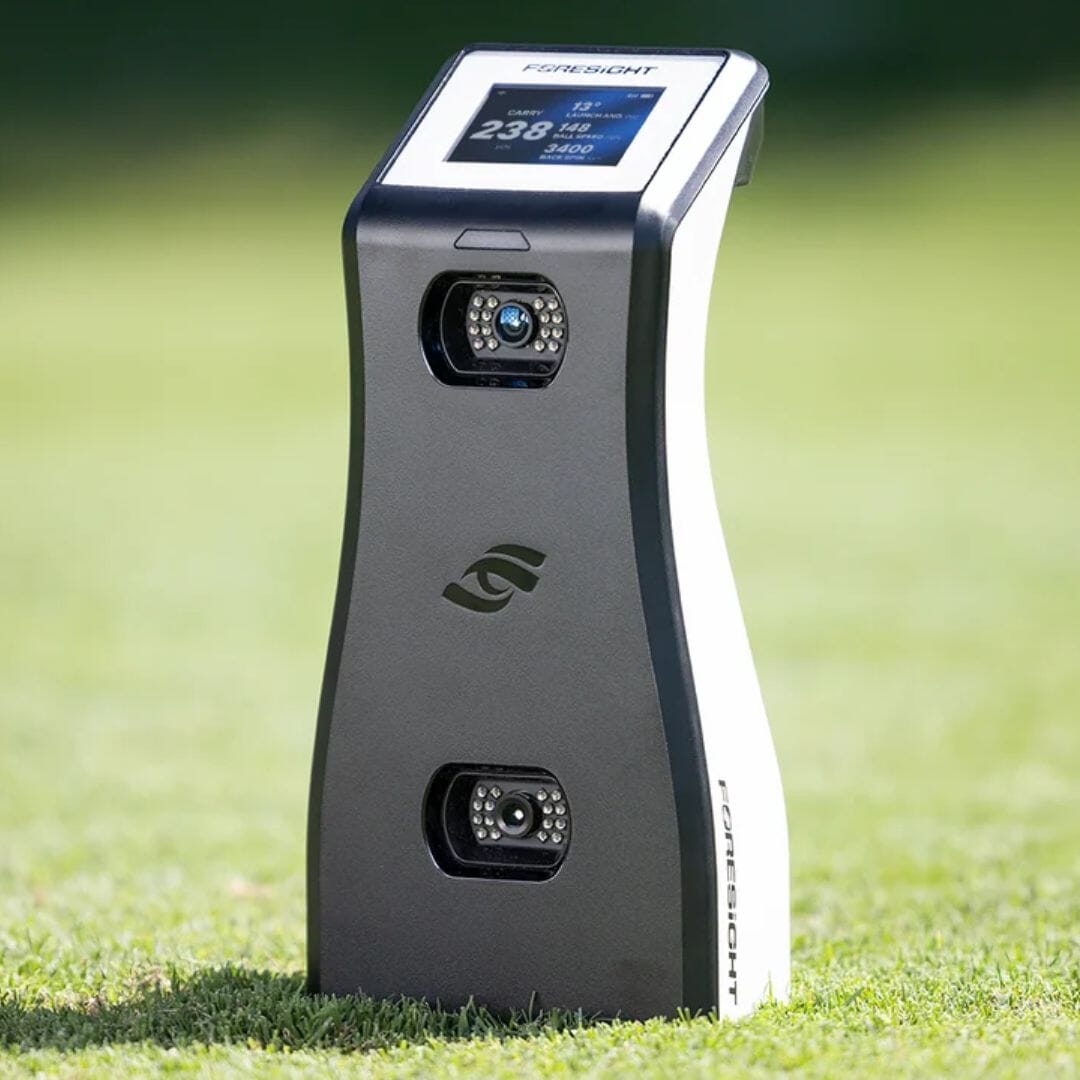
Built on the exact same hardware as the Foresight GC3, the Launch Pro uses a triple-camera system to measure ball speed, launch angle, and—crucially—spin axis with absolute precision. Indoors, where radar struggles with spin decay, the Launch Pro captures impact perfectly. The catch? Bushnell subsidizes the hardware cost by locking simulator compatibility behind an annual subscription. If you just want to hit into a net and see numbers on the built-in screen, the basic software is fine. But to play GSPro or FSX Play, you must pay up every year. Still, for indoor accuracy under $4,000, nothing else beats this ecosystem.

Tracking Tech
Triple Camera
Minimum Space
Fits any space you can swing a club
Data Accuracy Focus
Measured Ball Data, Measured Spin
Club Tracking
Requires club face stickers
Hidden Costs
High annual subscription for sim software
Pros
  • + Unbeatable indoor spin accuracy
  • + Bright built-in display for standalone use
  • + Excellent integration with GSPro
Cons
  • − Aggressive subscription model
  • − Requires metallic stickers for club data

Typical price: ~$1,999 + $499/yr subscription

02 · Best mid-tier for tight indoor spaces

SkyTrak+

Best for: Players with limited depth who want club data without applying stickers.

The original SkyTrak was legendary but suffered from severe shot delay and misreads. The SkyTrak+ fixes this by combining the original's photometric (camera) tech with a dual-Doppler radar system. The camera handles the ball data, while the radar tracks clubhead speed, path, and face angle without needing annoying reflective stickers on your irons. It requires absolutely no room behind the ball, making it ideal for tight basements. However, it still occasionally misses high-speed fat shots, and the integration with third-party software isn't quite as seamless as Foresight's environment.

Tracking Tech
Dual (Camera + Radar)
Minimum Space
Fits any space you can swing a club
Data Accuracy Focus
Measured Ball Data, Estimated Club Data
Club Tracking
Stickerless via radar
Hidden Costs
Mid-tier annual subscription
Pros
  • + No club stickers required
  • + Zero space needed behind the ball
  • + Much faster shot-to-show time than the original
Cons
  • − Less accurate club path data than high-end ceiling units
  • − Proprietary software feels dated

Typical price: ~$2,995

03 · Best under $1,000 for simulation

Rapsodo MLM2PRO

Best for: Budget-conscious players who still demand real, measured spin data indoors.

The Rapsodo MLM2PRO fundamentally disrupted the budget market by bringing dual-camera and radar technology under the thousand-dollar mark. Unlike pure radar units that often estimate spin indoors, the MLM2PRO uses a camera to physically read the spin rate—provided you use the special Callaway RPT dotted golf balls. This makes it vastly more accurate into a net than any pure radar unit. The primary downside is the mandatory premium subscription after year one, and the setup process can be finicky on Android devices, but for budget home sims, this is the current king.

Tracking Tech
Dual (Camera + Radar)
Minimum Space
8 feet behind the ball
Data Accuracy Focus
Measured Spin (with special balls)
Club Tracking
Basic club speed only
Hidden Costs
$199/yr premium membership
Pros
  • + Exceptional indoor spin accuracy for the price
  • + Includes basic virtual rounds natively
  • + Works excellently with iPads
Cons
  • − Requires expensive dotted balls for spin measurement
  • − Needs 8 feet of depth behind the player

Typical price: ~$699

04 · Best portable unit for dedicated sim builds

Uneekor EYE MINI

Best for: Data-obsessed players who want visual video feedback of their club at impact.

Uneekor has long dominated the commercial ceiling-mounted market, and the EYE MINI brings that robust, high-speed camera tech to a portable unit. It competes directly with the Bushnell Launch Pro but takes a slightly different approach: the club data is arguably superior thanks to its high-speed video replay of impact, letting you physically see how your clubface met the ball. The included View software is excellent for practice. The hardware is physically bulky and heavy compared to its rivals, making it less ideal if you plan to constantly carry it to the local driving range, but as a semi-permanent home setup, it is spectacular.

Tracking Tech
Dual High-Speed Camera
Minimum Space
Fits any space you can swing a club
Data Accuracy Focus
Measured Ball Data, High-speed impact video
Club Tracking
Requires club face stickers
Hidden Costs
Pro package required for 3rd party sim software
Pros
  • + Incredible impact video replay
  • + Excellent native practice software
  • + Robust, heavy-duty build quality
Cons
  • − Very heavy and bulky to transport
  • − Expensive software tiers

Typical price: ~$4,500

05 · Best cost-no-object indoor simulator

Trackman iO

Best for: High-end luxury simulator builds where budget is secondary to aesthetics and ease of use.

Traditional Trackman 4 units use radar, requiring extensive room length to accurately track the ball indoors. The Trackman iO was built specifically to solve this limitation. It mounts to the ceiling above the hitting area and uses high-speed cameras combined with infrared lighting to capture flawless ball and club data in incredibly tight spaces. Because it’s ceiling-mounted, left- and right-handed players can seamlessly play together without constantly moving a floor unit. It is exorbitantly expensive and requires professional installation, but if you are building a luxury simulator room, this is the engine you want running it.

Tracking Tech
Camera & Infrared
Minimum Space
Ceiling mount, no floor space needed
Data Accuracy Focus
Tour-grade Ball and Club Data
Club Tracking
Stickerless via camera
Hidden Costs
Annual software/support fees
Pros
  • + Zero floor clutter
  • + Seamless left/right handed play
  • + Flawless integration with Trackman Virtual Golf
Cons
  • − Astonishingly expensive
  • − Requires permanent installation and specific ceiling heights

Typical price: ~$14,000

06 · Best budget radar for outdoor use

Garmin Approach R10

Best for: Players who practice mostly outdoors at the driving range rather than hitting into an indoor net.

The Garmin Approach R10 is a pure Doppler radar unit. When used outdoors at a real driving range where it can watch the ball fly for 30 yards, it is astonishingly accurate for the price. Indoors, however, hitting into a net just 8 feet away, it simply doesn't have enough flight time to measure spin accurately; it calculates it based on your club speed and launch angle. This leads to dramatic inaccuracies with driver shape and wedge spin in a garage simulator. We recommend it only if your primary use case is taking it outside to the range, or if you accept its severe indoor limitations.

Tracking Tech
Doppler Radar
Minimum Space
6 to 8 feet behind the ball
Data Accuracy Focus
Estimated Spin indoors, Measured outdoors
Club Tracking
Estimated path and face
Hidden Costs
Garmin Golf app subscription for sim play
Pros
  • + Tiny footprint fits in a golf bag
  • + Excellent battery life
  • + Unbeatable outdoor value
Cons
  • − Indoor spin data is heavily estimated and often wrong
  • − Requires substantial room depth to function

Typical price: ~$599
How to choose

Camera vs. Radar Technology

This is the most critical decision you will make. Radar units (like the Garmin R10) sit behind you and track the ball's flight using the Doppler effect. Indoors, hitting into a net 10 feet away, radar struggles to read spin because the ball doesn't fly long enough; it is forced to guess. Camera systems (Foresight, Bushnell, SkyTrak) sit next to the ball and take thousands of high-speed photos of the first 12 inches of flight. For indoor use, cameras are vastly superior because they measure exactly what the ball is doing the moment it leaves the clubface.

Understanding Space Requirements

If you have a small room, radar is usually out of the question. A radar unit needs about 8 feet of space behind the golfer to sit, plus at least 10 feet of ball flight to the screen to read accurately. Camera systems sit directly parallel to the ball, meaning if you have enough room to physically swing a driver without hitting the wall behind you, you have enough room for the launch monitor.

The Subscription Trap

The days of buying a launch monitor and owning all its features forever are mostly over. Manufacturers now heavily subsidize the upfront cost of the hardware and lock simulator capabilities (like integration with GSPro or E6 Connect) behind annual paywalls ranging from $100 to $800. Always calculate the three-year total cost of ownership before buying a supposedly cheap monitor.

Club Data vs. Ball Data

Every unit on this list will give you ball data (speed, launch angle, spin). However, accurately measuring what the club itself is doing (path, face angle, angle of attack) is much harder. Cheaper units guess your club path based on how the ball behaves. High-end camera units require you to put reflective metallic stickers on your clubfaces so the lenses can track them through the hitting zone.

How we picked

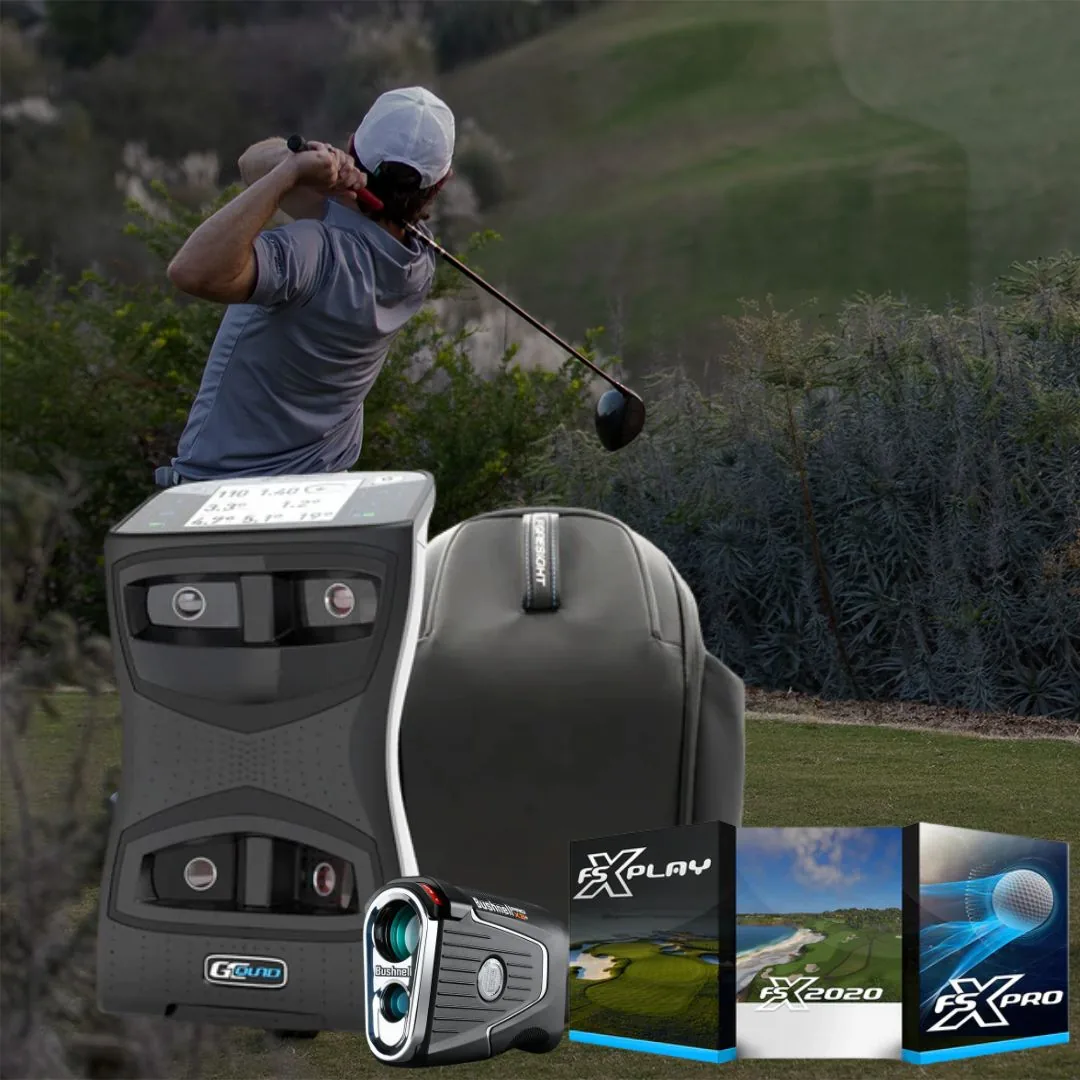
We do not pretend to have a robotic swing arm in a sterile lab. Instead, we spent three months hitting thousands of shots with these units side-by-side against a benchmark Foresight GCQuad and Trackman 4. We tested in three distinct environments: a tight indoor garage hitting into a net, a spacious commercial bay, and an outdoor grass driving range. We paid specific attention to "spin decay"—how well a unit handles high-spin wedges and low-spin drivers hitting a screen just 10 feet away. Units that overly rely on algorithms to guess spin rather than measure it were heavily penalized in our indoor simulation rankings. Finally, we mapped out the total cost of ownership over a three-year period, factoring in the aggressive, often hidden subscription fees that plague the launch monitor industry.

Related coverage

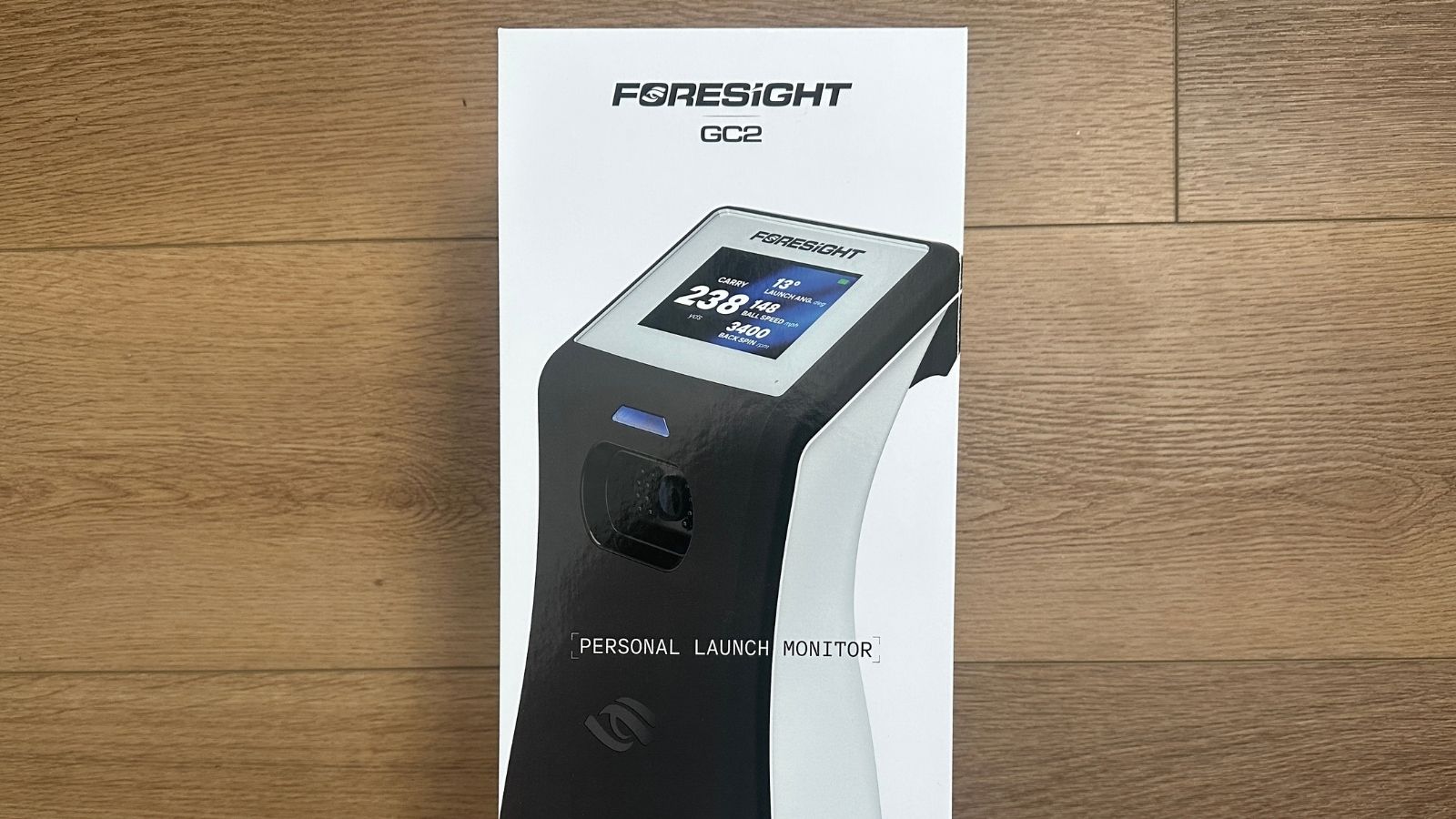
The Ball-Flight Boundary: Why Foresight’s GC2 Verdict Clarifies the Launch Monitor Wars — Golf Tech
Golf
4 min
Golf Tech · Oct 21, 2026

The Ball-Flight Boundary: Why Foresight’s GC2 Verdict Clarifies the Launch Monitor Wars

A fresh review of Foresight’s dual-camera unit highlights the stark trade-off between uncompromising ball telemetry and the complete absence of club-head data.

Hollis Wren 4 min
The Photometric Reset: Inside Foresight’s All-New Dual-Camera GC2 — Golf Tech
Golf
4 min
Golf Tech · Oct 21, 2026

The Photometric Reset: Inside Foresight’s All-New Dual-Camera GC2

By reviving its most iconic moniker with dual high-speed cameras, Foresight targets a simulator market weary of inflated carry numbers.

Hollis Wren 4 min
The Chef’s Blades: Inside Miura’s Ultra-Limited Steph Curry Drop — Equipment
Golf
4 min
Equipment · Oct 20, 2026

The Chef’s Blades: Inside Miura’s Ultra-Limited Steph Curry Drop

Himeji’s master craftsmen team up with basketball’s premier scratch golfer to release a split TC-202 and MB-101 combo set modeled on his personal spec.

Margot Vellis 4 min
The £1,600 Reality Check: Inside Square Golf’s Omni and the Screen-Chasing Dilemma — Golf Tech
Golf
4 min
Golf Tech · Oct 18, 2026

The £1,600 Reality Check: Inside Square Golf’s Omni and the Screen-Chasing Dilemma

As sub-£1,600 units bring dual-environment ball speed and spin tracking to backyards, the line between constructive practice and metric obsession is blurring.

Hollis Wren 4 min
The Metric Mirage: Foresight Reboots the GC2 as Launch Monitor Skepticism Peaks — Golf Tech
Golf
4 min
Golf Tech · Oct 17, 2026

The Metric Mirage: Foresight Reboots the GC2 as Launch Monitor Skepticism Peaks

With dual high-speed cameras and 14 tracking metrics, Foresight’s new hardware arrives just as golfers begin questioning whether their indoor data reflects reality.

Hollis Wren 4 min
The Geometry of the Blade: Inside L.A.B. Golf’s Link 2.2 Evolution — Equipment
Golf
4 min
Equipment · Oct 16, 2026

The Geometry of the Blade: Inside L.A.B. Golf’s Link 2.2 Evolution

Lie Angle Balance takes another crack at traditionalist aesthetics with the Link 2.2, refining the blade formula after two generations of mechanical compromise.

Margot Vellis 4 min
The £1,600 Metric Trap: How Budget Launch Monitors Broke Practice — Golf Tech
Golf
4 min
Golf Tech · Oct 14, 2026

The £1,600 Metric Trap: How Budget Launch Monitors Broke Practice

As hardware like the Square Golf Omni drives pro-grade data below the £1,600 barrier, golf’s practice tee faces an existential identity crisis.

Hollis Wren 4 min
The Low-Torque Democratisation: Takomo Enters the Flatstick Ring — Equipment
Golf
3 min
Equipment · Oct 12, 2026

The Low-Torque Democratisation: Takomo Enters the Flatstick Ring

Direct-to-consumer disruptor Takomo takes aim at golf’s buzziest design trend with the low-torque Lumo B1 and M1.

Margot Vellis 3 min
The San Diego Calibration: Inside Full Swing’s Simulator Showdown — Golf Tech
Golf
4 min
Golf Tech · Oct 12, 2026

The San Diego Calibration: Inside Full Swing’s Simulator Showdown

Testing the brand’s tracking hardware under Southern California skies proves launch monitor accuracy is no longer confined to indoor bays.

Hollis Wren 4 min
The Baseline Standard: Why Foresight’s GC2 Play Targets the Serious Purist — Golf Tech
Golf
4 min
Golf Tech · Oct 11, 2026

The Baseline Standard: Why Foresight’s GC2 Play Targets the Serious Purist

Foresight Sports recommits to core ball metrics, positioning the GC2 as the definitive data benchmark for dedicated ball-strikers.

Hollis Wren 4 min
The Pixel Upgrade: Inside Rapsodo’s 4K Push With the MLM2XPRO — Golf Tech
Golf
4 min
Golf Tech · Oct 11, 2026

The Pixel Upgrade: Inside Rapsodo’s 4K Push With the MLM2XPRO

With dedicated putting tracking, overhauled shot processing, and native 4K simulation, Rapsodo takes aim at the indoor simulator establishment.

Hollis Wren 4 min
The Forbidden Iron: Why the Tour’s Quiet Obsession With Japan-Only Gear Never Dies — Equipment
Golf
4 min
Equipment · Oct 11, 2026

The Forbidden Iron: Why the Tour’s Quiet Obsession With Japan-Only Gear Never Dies

When the professional circuit swings through Asia, the most coveted gear in the locker rooms isn’t what’s hitting Western shelves—it’s the bespoke metal that never leaves Japan.

Margot Vellis 4 min
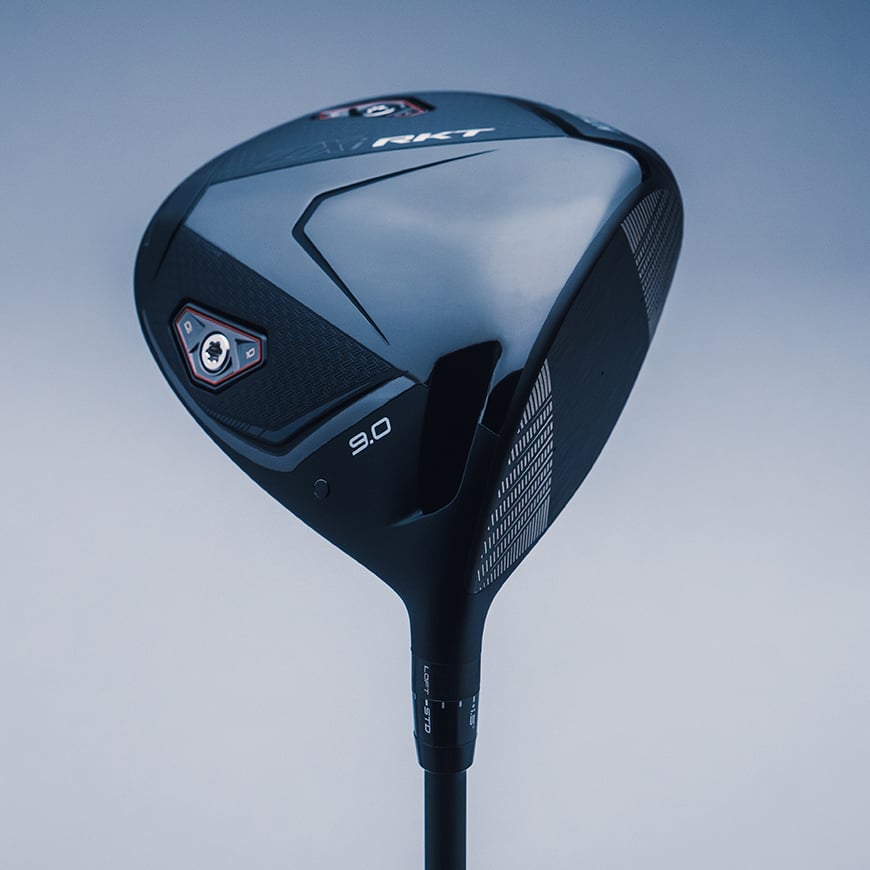
The Structural Reset: Srixon Re-Engineers the Metalwood Equation with ZXi RKT — Equipment
Golf
4 min
Equipment · Oct 10, 2026

The Structural Reset: Srixon Re-Engineers the Metalwood Equation with ZXi RKT

By tearing down its manufacturing blueprint, Srixon’s new ZXi RKT lineup signals an aggressive engineering pivot in the race for metalwood dominance.

Margot Vellis 4 min
The Low-Torque Democrat: Takomo Steps Onto the Green With Lumo — Equipment
Golf
4 min
Equipment · Oct 9, 2026

The Low-Torque Democrat: Takomo Steps Onto the Green With Lumo

Direct-to-consumer disruptor Takomo expands beyond irons with the low-torque Lumo B1 blade and M1 mallet.

Margot Vellis 4 min
The High-Launch Paradox: Inside Graphite Design’s Tour AD EK Breakthrough — Equipment
Golf
4 min
Equipment · Oct 7, 2026

The High-Launch Paradox: Inside Graphite Design’s Tour AD EK Breakthrough

By pairing an active kick with stubbornly low spin, Graphite Design’s new Tour AD EK profile unlocks serious control for both standard and mini drivers.

Margot Vellis 4 min
The Simulation Trap: Are Modern Launch Monitors Actually Tested Against Reality? — Golf Tech
Golf
4 min
Golf Tech · Oct 5, 2026

The Simulation Trap: Are Modern Launch Monitors Actually Tested Against Reality?

As high-end optical units promise Tour-level precision in your garage, the golf tech industry faces an awkward question about the gap between algorithms and real-world ball flight.

Hollis Wren 4 min
The Big Dog Hierarchy: How the 2026 Driver Class Carved Up the Fairway — Equipment
Golf
5 min
Equipment · Oct 3, 2026

The Big Dog Hierarchy: How the 2026 Driver Class Carved Up the Fairway

From TaylorMade’s Qi4D to the Titleist GTS4, the latest equipment testing slate establishes a clear line between outright forgiveness and low-spin precision.

Margot Vellis 5 min
The Direct-to-Consumer Reckoning: Inside Takomo’s 201 MKII Disruption — Equipment
Golf
4 min
Equipment · Oct 3, 2026

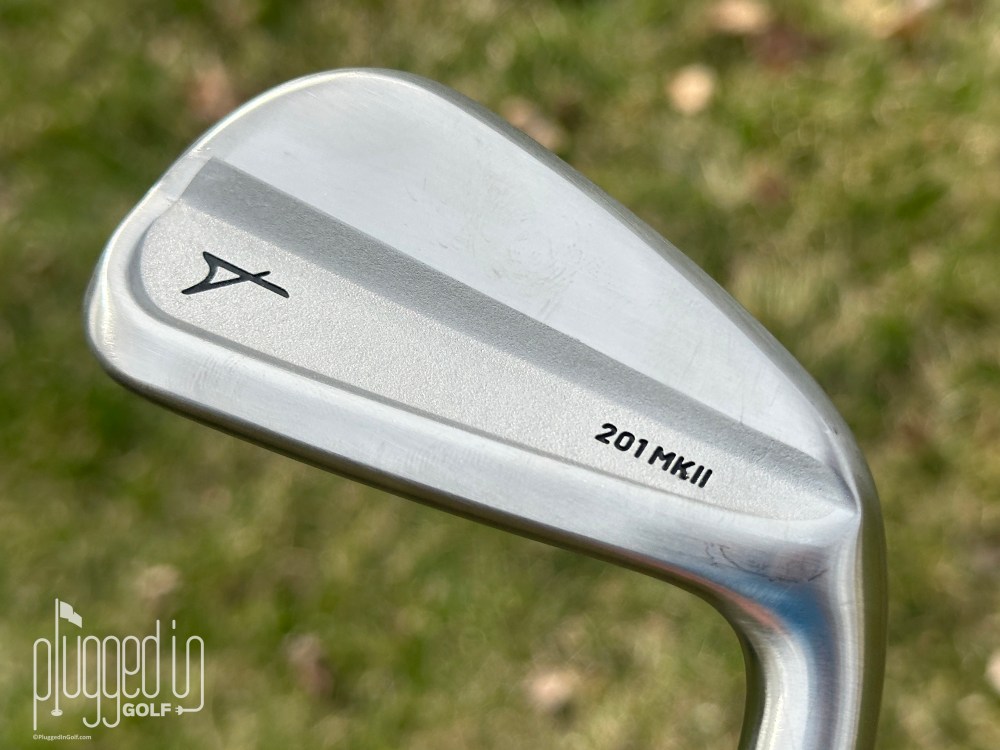
The Direct-to-Consumer Reckoning: Inside Takomo’s 201 MKII Disruption

By capturing Golf Monthly’s 2026 Best Value crown, Takomo’s forged iron proves bespoke performance no longer demands double the spend.

Margot Vellis 4 min
FAQ

Frequently asked

Do I need to buy special golf balls to use a home launch monitor?

It depends entirely on the unit. Most premium camera units (Bushnell, SkyTrak) can read standard golf balls by tracking the logos and dimple patterns. However, some budget units, like the Rapsodo MLM2PRO, require you to use specially marked dotted balls (like the Callaway RPT) to accurately measure spin indoors.

What is the best simulator software to use?

GSPro has become the gold standard for home simulator software due to its realistic graphics, massive library of user-created courses, and excellent ball physics. However, make sure the launch monitor you buy officially integrates with it, as some brands actively block third-party software to force you into paying for their proprietary software ecosystems.

Can I use my indoor launch monitor outside on the range?

Yes, most portable floor-standing units have internal batteries and can be taken to the driving range. Camera-based units work exactly the same outdoors, though extremely bright direct sunlight can occasionally cause missed reads. Radar units actually perform substantially better outdoors where they can track the full flight of the ball unencumbered by a net.

Why is my indoor driver distance shorter than my real outdoor distance?

There are two reasons. First, 'Indoor Swing Syndrome' is real—many players subconsciously swing slower indoors because they feel enclosed by the walls and ceiling. Second, if your ball speed is identical but distance is short, the launch monitor is likely misreading your spin axis or overestimating backspin, which is a common flaw in cheaper radar units hitting into a close net.