Editor's Guide · Updated October 2026

The Best Golf Drivers in 2026

The short answer

The Ping G430 Max 10K is our top pick because it maximizes MOI without sacrificing ball speed, making it the most forgiving driver available. If you need lower spin and have the swing speed to support it, the TaylorMade Qi10 LS is the best alternative, while the Cobra Darkspeed X offers the best pound-for-pound value.

The driver market has settled into an era of marginal aerodynamic gains and maximum MOI. We are no longer seeing massive year-over-year jumps in raw distance, because manufacturers have been pinned against USGA limits for a decade. Instead, the focus has shifted to off-center ball speed preservation. A great driver today doesn't necessarily hit the ball further on a perfect strike; it punishes you less when you miss the center.

This guide covers the premier drivers dominating tour adoption and amateur bags alike. We evaluate these based on structural forgiveness, acoustic feedback, and fitting adjustability. Whether you are a scratch golfer looking to dial down spin or a mid-handicapper trying to keep the ball in play, buying the right driver requires matching your delivery dynamics with the proper head profile.

We update this guide at the end of each major equipment release cycle. Our selections are independent, based on launch monitor data and on-course testing, free from manufacturer input.

At a glance

PickAwardLofts AvailableHead VolumeAdjustabilitySpin ProfilePrice
Ping G430 Max 10KBest overall9°, 10.5°, 12°460ccHosel only (Loft/Lie)Mid-Low~$599
Titleist GT3Best for adjustability and precise fitting8°, 9°, 10°, 11°460ccHosel + Sliding CG TrackLow~$649
TaylorMade Qi10 LSBest for high swing speeds8°, 9°, 10.5°460ccHosel + Sliding WeightUltra-Low~$629
Callaway Paradym Ai Smoke Max DBest for slice correction9°, 10.5°, 12°460ccHosel only (Loft/Lie)Mid-High~$599
Cobra Darkspeed XBest value9°, 10.5°, 12°460ccHosel + Swapable Front/Back WeightsMid~$549
Srixon ZX5 Mk IIBest titanium feel9.5°, 10.5°460ccHosel + Single Back WeightMid-High~$499

The picks

01 · Best overall

Ping G430 Max 10K

Best for: Golfers of all handicaps prioritizing pure forgiveness and keeping the ball in the fairway.

Ping successfully crossed the elusive 10,000 MOI threshold (combined heel-toe and high-low forgiveness) without making a clubhead that looks like a dinner plate at address. The G430 Max 10K achieves this by flattening the crown and utilizing a fixed, ultra-dense tungsten back weight, which pulls the center of gravity as low and deep as physically possible. The result is unparalleled stability on off-center hits. If you strike the ball off the extreme toe, the head resists twisting, keeping your ball flight significantly tighter to the centerline than its competitors. Unlike the standard G430 Max, you lose the sliding weight track here, meaning draw and fade tuning is limited strictly to the hosel adjustments. However, the sheer straightness of this head makes lateral adjustability largely redundant for most players. Sonically, it is noticeably more muted and premium than the infamously loud G425. Skip this only if you actively want to shape the ball both ways off the tee; this club's sole purpose is going straight.

Lofts Available
9°, 10.5°, 12°
Head Volume
460cc
Adjustability
Hosel only (Loft/Lie)
Spin Profile
Mid-Low
Pros
  • + Class-leading MOI for extreme forgiveness
  • + Incredibly stable on severe mishits
  • + Much improved acoustics over previous generations
Cons
  • − Fixed back weight removes sliding draw/fade adjustability
  • − Larger footprint at address may deter traditionalists

Typical price: ~$599

02 · Best for adjustability and precise fitting

Titleist GT3

Best for: Single-digit handicappers who want to fine-tune their CG to match their exact strike pattern.

The GT3 replaces the highly successful TSR3 and leans into Titleist's new proprietary seamless thermoform crown. By shifting away from standard titanium on top, Titleist freed up critical discretionary weight. That mass is shifted directly to an adjustable SureFit CG track placed closer to the face, allowing skilled fitters to dial in strike location without dragging the center of gravity too far back. When tuned correctly, it yields a penetrating, workable flight that tour players favor, but it demands a reasonably consistent strike to maximize its potential. It is noticeably more forgiving than the smaller GT4, but less so than our top Ping pick. If your miss is a wild, unpredictable slice, the GT3 will not save you. But if your strike is localized and you want precise spin control coupled with a flawless, traditional pear-shaped profile, it is completely unrivaled in the current market.

Lofts Available
8°, 9°, 10°, 11°
Head Volume
460cc
Adjustability
Hosel + Sliding CG Track
Spin Profile
Low
Pros
  • + Exceptional ball speed on center strikes
  • + Highly effective and granular CG track
  • + Best-in-class traditional aesthetics and sound
Cons
  • − Punishing on severe heel/toe strikes
  • − Requires a professional launch-monitor fitting to maximize potential

Typical price: ~$649

03 · Best for high swing speeds

TaylorMade Qi10 LS

Best for: High-speed, high-spin players who need to flatten their ball flight.

The 'LS' stands for low spin, and TaylorMade delivers on that aggressive promise by pushing mass forward and utilizing a slightly more compact visual footprint. The carbon face technology continues to evolve here, shedding weight in the face to optimize energy transfer at high impact velocities. For players swinging over 105 mph who struggle with ballooning ball flights that rob them of carry, the Qi10 LS flattens the trajectory and maximizes rollout. It is definitively not for the casual weekend player; the forward CG means MOI is severely compromised compared to standard models. Mishits will lose significant distance and spin rapidly off their intended axis. But on a dead-center strike at high speed, it produces launch and spin numbers that few other heads can match. It requires absolute commitment through the hitting zone.

Lofts Available
8°, 9°, 10.5°
Head Volume
460cc
Adjustability
Hosel + Sliding Weight
Spin Profile
Ultra-Low
Pros
  • + Massive distance potential on center strikes
  • + Excellent spin reduction for high-speed players
  • + Infinity carbon crown looks incredibly clean at address
Cons
  • − Highly unforgiving on off-center strikes
  • − Carbon face durability and acoustic feedback remain polarizing

Typical price: ~$629

04 · Best for slice correction

Callaway Paradym Ai Smoke Max D

Best for: Mid-to-high handicappers who consistently lose the ball to the right and need mechanical help closing the face.

Callaway’s AI-designed face topography utilizes machine learning data from thousands of amateur swings to create micro-deflections across the face, aiming to correct gear effect on typical mishits. The Max D model takes this a crucial step further by building in substantial draw bias through a stretched profile and heavily heel-weighted center of gravity. This design actively forces the toe to close faster through the hitting zone. If you fight a weak flare to the right (as a right-handed golfer), this head provides immediate, noticeable mechanical assistance. The trade-off is a slightly closed look at address and a higher baseline spin rate. This elevated spin can cost distance for players who already draw the ball or swing optimally, making this a highly specialized tool rather than a one-size-fits-all solution.

Lofts Available
9°, 10.5°, 12°
Head Volume
460cc
Adjustability
Hosel only (Loft/Lie)
Spin Profile
Mid-High
Pros
  • + Aggressive slice correction built into the chassis
  • + Very forgiving across the entire face
  • + Incredibly easy to launch high off the deck
Cons
  • − Closed face angle at address is visually jarring for some
  • − High spin profile can rob distance from neutral swingers

Typical price: ~$599

05 · Best value

Cobra Darkspeed X

Best for: Budget-conscious golfers who want top-tier performance without the extreme price tag.

Cobra consistently undercuts the big four manufacturers on price while matching them stroke for stroke on performance. The Darkspeed X sits perfectly in the middle of their lineup, blending a highly aerodynamic shape with a very neutral center of gravity. The matte black finish is visually striking, reducing glare on sunny days, though it does show scuffs and tee marks faster than gloss options. Ball speeds are right on the USGA limit thanks to the suspended PWR-BRIDGE structure located just behind the face, which allows for maximum flex. It lacks the extreme 10K forgiveness of the Ping or the granular CG adjustability of the Titleist GT3, but at this price point, it is an exceptionally balanced driver that performs admirably across all key metrics. It is the smartest buy for a golfer who wants flagship performance without paying the maximum premium.

Lofts Available
9°, 10.5°, 12°
Head Volume
460cc
Adjustability
Hosel + Swapable Front/Back Weights
Spin Profile
Mid
Pros
  • + Unbeatable price-to-performance ratio
  • + Highly aerodynamic shape increases clubhead speed
  • + Sleek matte aesthetic
Cons
  • − Slightly less forgiving than the max-MOI competitors
  • − Matte finish shows wear easily

Typical price: ~$549

06 · Best titanium feel

Srixon ZX5 Mk II

Best for: Players who dislike the muted sound of carbon woods and need help generating launch.

Srixon rightfully dominates the iron market but remains criminally underappreciated in the woods category. The ZX5 Mk II deserves a spot on your testing list if you prioritize traditional feel and sound. Unlike the rest of the industry, Srixon uses a complex titanium Star Frame crown instead of relying on carbon fiber. This results in a metallic, powerful impact sound that carbon drivers simply cannot replicate. The ZX5 is the higher-launching, more forgiving brother to the compact ZX7. It produces slightly higher spin than the TaylorMade or Titleist options, making it ideal for moderate swing speeds that need help keeping the ball in the air to maximize carry distance. It will not win a beauty contest against the modern matte-carbon crowns, but it delivers an incredibly stable, consistent ball flight.

Lofts Available
9.5°, 10.5°
Head Volume
460cc
Adjustability
Hosel + Single Back Weight
Spin Profile
Mid-High
Pros
  • + Brilliant titanium acoustic feedback
  • + Very stable chassis on off-center strikes
  • + Excellent stock shaft pairings
Cons
  • − Higher baseline spin limits total distance for fast swingers
  • − Less tech-forward visual appeal than competitors

Typical price: ~$499
How to choose

Understanding MOI (Moment of Inertia)

MOI is the clubhead's resistance to twisting upon impact with the ball. A higher MOI means the club face stays squarer when you hit the ball off the heel or toe. If you rarely hit the dead center of the face, you should be shopping exclusively in the high-MOI category (frequently labeled as 'Max' or '10K' models). Lower MOI clubs allow for more workability and lower spin, but will severely punish poor strikes.

The Carbon vs. Titanium Debate

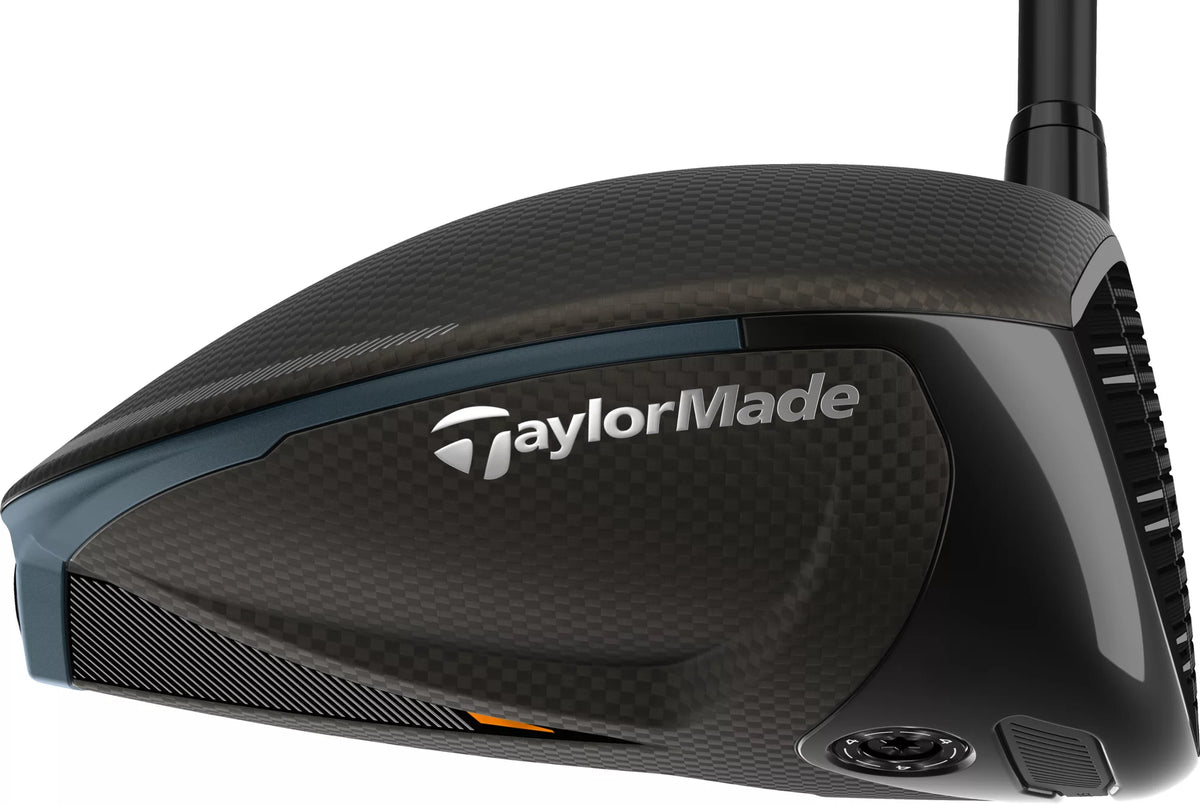
Manufacturers have largely moved to carbon fiber crowns, and in some cases carbon faces, to save weight. This saved weight is moved low and back to increase forgiveness. The downside is sound. Carbon woods often produce a dull, muted 'thwack,' whereas traditional all-titanium heads deliver a higher-pitched, ringing metallic sound. Sound directly translates to feel, so you should test both materials to see what gives you confidence over the ball.

Why Shaft Selection Matters More Than the Head

The driver head dictates the ceiling of your ball speed and forgiveness, but the shaft dictates your delivery. A shaft that is too stiff will cause you to leave the face open, resulting in a slice or a block. A shaft that is too soft will cause ballooning spin and hooks. Never buy a premium driver off the rack without confirming the stock shaft matches your swing tempo, transition aggressiveness, and overall speed.

Draw-Bias vs. Neutral Profiles

Draw-biased drivers feature extra weight positioned closer to the heel and slightly closed face angles at address. This mechanical advantage helps the toe close faster through the ball, fighting a slice. However, if your swing improves and you start delivering the club more neutrally, a draw-biased head can quickly become a hook machine. Buy for the swing you have today, but be fully aware of the mechanical limitations as you improve.

How we picked

Our driver selections are based on a combination of launch monitor data evaluation, long-term on-course testing, and an analysis of tour adoption rates. We look past the marketing claims of new AI faces or aerodynamic speed channels and focus on objective ball speed retention across the face. We evaluate how much ball speed drops when a strike is 15mm off the toe or heel compared to the center. We do not maintain a robotic testing facility; instead, we rely on aggregated TrackMan and GCQuad data from human testers spanning scratch golfers to 15-handicaps. Drivers that claim to be low-spin but fail to produce playable trajectories for their target audience are excluded. We also heavily weight the fitting ecosystem, as a driver is only as good as the shafts and hosel adjustments available to pair with it.

Related coverage

The Half-Price Sweet Spot: Does Five Years of Driver Tech Actually Buy You Yards? — Equipment
Golf
4 min
Equipment · Nov 16, 2026

The Half-Price Sweet Spot: Does Five Years of Driver Tech Actually Buy You Yards?

A head-to-head launch monitor test between TaylorMade’s 2021 SIM2 Max and the 2026 Qi4D exposes the diminishing returns of modern big-stick marketing.

Margot Vellis 4 min
The Prodigal Invasion: Why Europe Is the Only Refuge Left for LIV’s Castoffs — Tour News
Golf
4 min
Tour News · Nov 15, 2026

The Prodigal Invasion: Why Europe Is the Only Refuge Left for LIV’s Castoffs

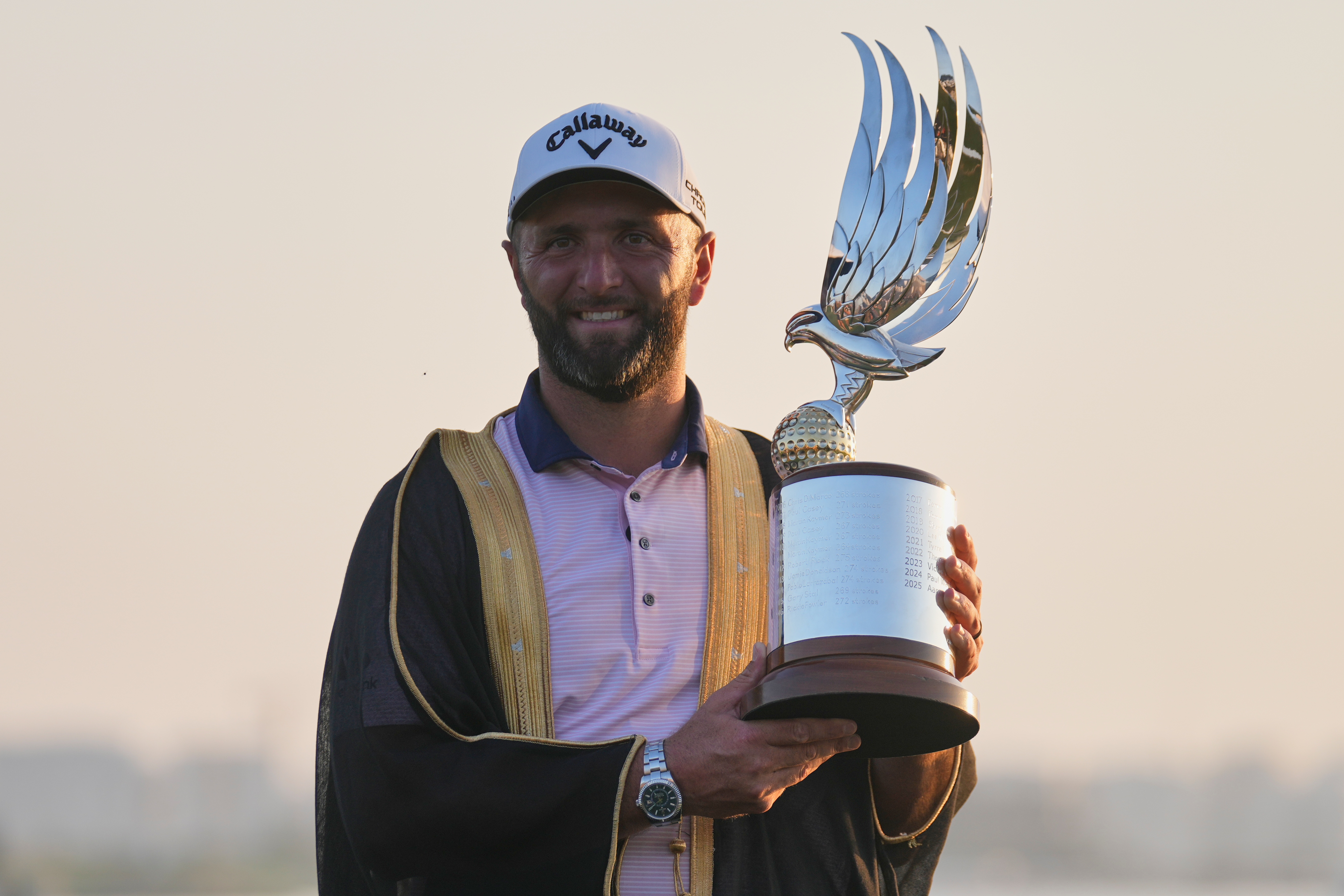
With the breakaway league winding down, Bryson DeChambeau and Jon Rahm are forcing the DP World Tour into an uneasy, eyeball-heavy reunion.

Margot Vellis 4 min
The Seven-Club Surgery: Inside Rory McIlroy’s High-Stakes 2026 Bag Overhaul — Equipment
Golf
4 min
Equipment · Nov 12, 2026

The Seven-Club Surgery: Inside Rory McIlroy’s High-Stakes 2026 Bag Overhaul

Coming off a historic career Grand Slam campaign, the six-time major champion has swapped half his setup for 2026.

Margot Vellis 4 min
The Teenager Who Broke the Tour: Blades Brown’s $1.1 Million Masterclass in Mexico — PGA Tour
Golf
Deep Dive
8 min
PGA Tour · Nov 10, 2026

The Teenager Who Broke the Tour: Blades Brown’s $1.1 Million Masterclass in Mexico

At 17 years old, Blades Brown didn't just win the World Wide Technology Championship at El Cardonal—he dismantled the traditional pipeline of professional golf with a 23-under-par coronation.

Margot Vellis 8 min
The Suspended Benchmark: Ben James Posts 15 Under Before Darkness Halts Round Two in Mexico — PGA Tour
Golf
3 min
PGA Tour · Nov 9, 2026

The Suspended Benchmark: Ben James Posts 15 Under Before Darkness Halts Round Two in Mexico

A blistering eight-under-par second round places the American at 15 under as the World Wide Technology Championship field contends with an interrupted schedule.

Margot Vellis 3 min
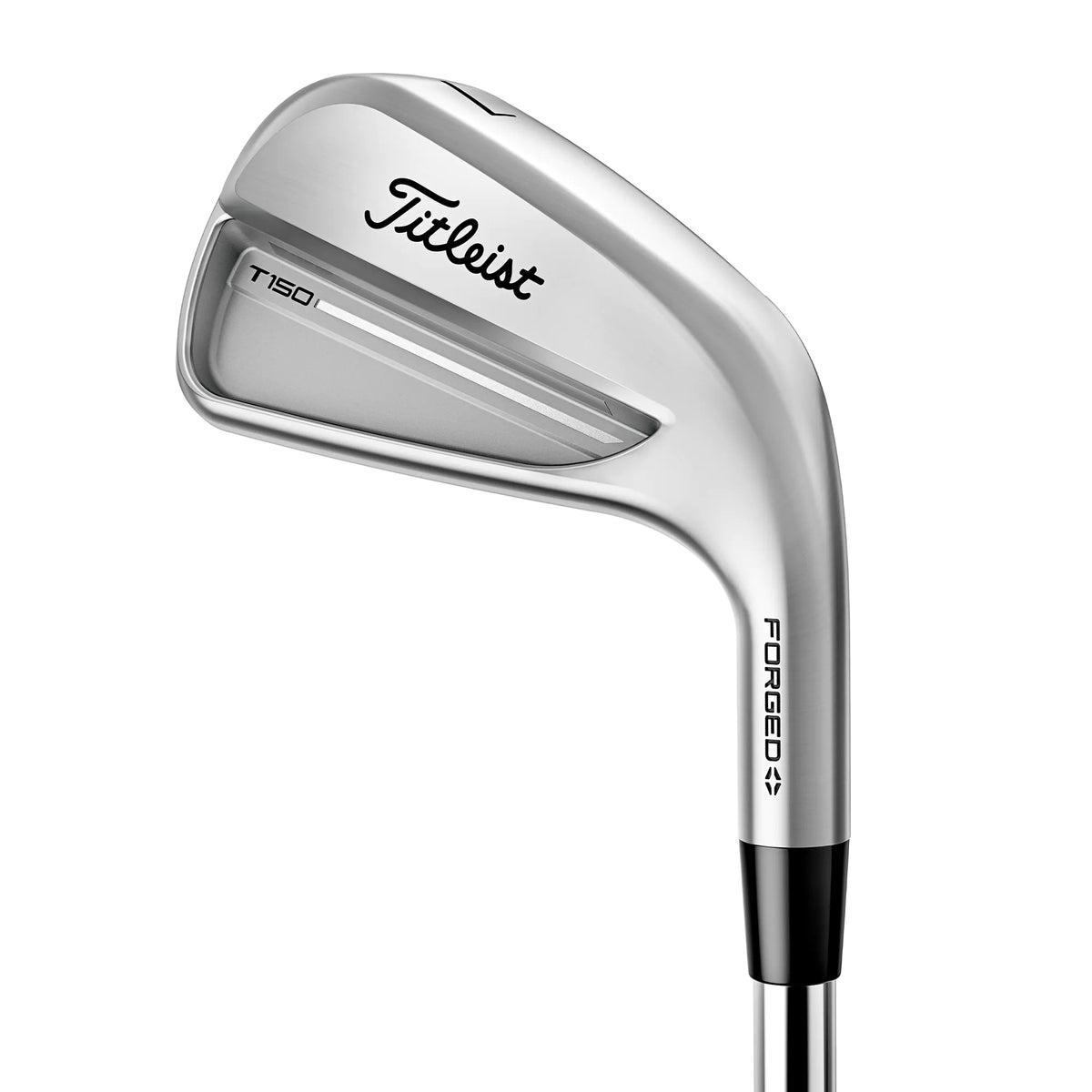
The Goldilocks Profile: Why the Titleist T150 Still Commands the Player’s Iron Conversation — Equipment
Golf
4 min
Equipment · Nov 9, 2026

The Goldilocks Profile: Why the Titleist T150 Still Commands the Player’s Iron Conversation

Sitting between razor-thin tour blades and hollow-body distance cannons, Titleist’s refined player’s cavity continues to earn its reputation as the market’s most balanced iron.

Margot Vellis 4 min
The Ghost League: Why the Attempted ‘LIV 2.0’ Rescue Died on Arrival — Tour News
Golf
4 min
Tour News · Nov 8, 2026

The Ghost League: Why the Attempted ‘LIV 2.0’ Rescue Died on Arrival

When outside investors pulled the plug on a rebooted breakaway circuit over a lack of committed talent, the curtain finally slammed down on professional golf’s costliest civil war.

Margot Vellis 4 min
The Fine Print Impasse: Rahm Puts His Money Where Koepka’s Was — PGA Tour
Golf
4 min
PGA Tour · Nov 7, 2026

The Fine Print Impasse: Rahm Puts His Money Where Koepka’s Was

Jon Rahm confirms he is prepared to match the financial penalty paid by Brooks Koepka, but Ponte Vedra has yet to put an official offer on the table.

Margot Vellis 4 min
Autumn Reckoning: Inside the High-Stakes Schwab Cup Bubble in Arkansas — PGA Tour
Golf
4 min
PGA Tour · Nov 6, 2026

Autumn Reckoning: Inside the High-Stakes Schwab Cup Bubble in Arkansas

As the PGA Tour Champions descends on the Simmons Bank Championship, the Charles Schwab Cup playoffs reach their most unforgiving sorting mechanism.

Margot Vellis 4 min
The Shotgun Finale: How LIV Golf Finally Reached the End of the Road — Tour News
Golf
4 min
Tour News · Nov 6, 2026

The Shotgun Finale: How LIV Golf Finally Reached the End of the Road

After five turbulent years, billions in sovereign capital, and a failed 2.0 pivot, men's professional golf's most divisive venture prepares to shut its doors.

Margot Vellis 4 min
The El Cardonal Blitz: Chris Kirk Fires an Opening 63 at the World Wide Technology — PGA Tour
Golf
4 min
PGA Tour · Nov 5, 2026

The El Cardonal Blitz: Chris Kirk Fires an Opening 63 at the World Wide Technology

A blistering nine-under opening lap puts Chris Kirk in prime position as the FedExCup Fall sprint reaches Los Cabos.

Margot Vellis 4 min
The Private Equity Pullout: Inside BC Partners’ Exit and LIV’s Existential Brink — Tour News
Golf
4 min
Tour News · Nov 5, 2026

The Private Equity Pullout: Inside BC Partners’ Exit and LIV’s Existential Brink

BC Partners drops its financial backing over player recruitment shortfalls, plunging LIV Golf’s 2.0 vision into immediate peril.

Margot Vellis 4 min
The $249 Disruption: MacGregor’s Tourney MAX Stirs the Budget Driver Market — Equipment
Golf
4 min
Equipment · Nov 5, 2026

The $249 Disruption: MacGregor’s Tourney MAX Stirs the Budget Driver Market

Delivering 260 yards of carry at under half the cost of major OEM flagships, MacGregor’s latest big stick makes a compelling case for value engineering.

Margot Vellis 4 min
The Basque Backtrack: Inside Jon Rahm’s Calculated Path Back to the PGA Tour — Tour News
Golf
4 min
Tour News · Nov 4, 2026

The Basque Backtrack: Inside Jon Rahm’s Calculated Path Back to the PGA Tour

Unimpressed by LIV’s proposed 2027 relaunch, the two-time major champion signals an openness to pay the penalty box toll to return to Ponte Vedra.

Margot Vellis 4 min
The Autumn Squeeze: Novak’s Late Flurry and the Brutal Math of VidantaWorld — PGA Tour
Golf
4 min
PGA Tour · Nov 3, 2026

The Autumn Squeeze: Novak’s Late Flurry and the Brutal Math of VidantaWorld

A three-shot cushion in Mexico reshuffles the FedExCup Fall hierarchy as the tour turns toward Bermuda.

Margot Vellis 4 min
The Forever Pitch: Inside Bryson DeChambeau’s LIV 2.0 Realpolitik — Tour News
Golf
4 min
Tour News · Nov 3, 2026

The Forever Pitch: Inside Bryson DeChambeau’s LIV 2.0 Realpolitik

As player departures mount and LIV Golf pivots toward a non-hostile 2.0 model, Bryson DeChambeau insists the breakaway project is built for eternity.

Margot Vellis 4 min
Autumn Grinders: Hughes Lurks as VidantaWorld Tests Fall Resolves — PGA Tour
Golf
4 min
PGA Tour · Nov 3, 2026

Autumn Grinders: Hughes Lurks as VidantaWorld Tests Fall Resolves

While Andrew Novak surged clear on the Pacific coast, Mackenzie Hughes’s steady climb inside the top ten underscores the high-stakes grind of the FedExCup Fall.

Margot Vellis 4 min
The Pacific Surge: Inside Andrew Novak’s Breakout at VidantaWorld — PGA Tour
Golf
4 min
PGA Tour · Nov 2, 2026

The Pacific Surge: Inside Andrew Novak’s Breakout at VidantaWorld

A clinical 14-under display in Vallarta elevates Andrew Novak to the sharp end of the FedExCup Fall sweepstakes.

Margot Vellis 4 min
FAQ

Frequently asked

How often should I realistically upgrade my driver?

Unless you are playing a driver that is over five years old, a brand new model will only offer marginal gains in raw distance. Upgrade cycles make sense every 4 to 6 years, as cumulative improvements in face technology, weight distribution, and MOI eventually outweigh the financial cost of replacing your club.

What loft driver should I buy?

Most amateur golfers benefit from 10.5 degrees of loft or more, rather than the 8- or 9-degree models favored by tour pros. Higher loft increases backspin, which actually stabilizes the ball's axis in flight and reduces the severity of slices and hooks. Too little loft often results in a ball that falls out of the sky too early.

Do adjustable hosels actually work?

Yes. Adjustable hosels physically alter the loft and lie angle of the clubhead as it sits on the ground. Moving a 10.5-degree driver down to 9.5 degrees will typically open the face angle slightly, while increasing loft to 11.5 degrees will close the face slightly. These small adjustments directly impact your start line and spin rates.

Should I play a shorter or longer driver shaft?

The golf industry standard driver length is around 45.5 to 45.75 inches. While a longer shaft can generate more clubhead speed on a perfect swing, it significantly decreases strike consistency. Many tour professionals actually play drivers closer to 44.5 or 45 inches to guarantee center-face contact, which yields better overall distance and accuracy than a faster, off-center strike.