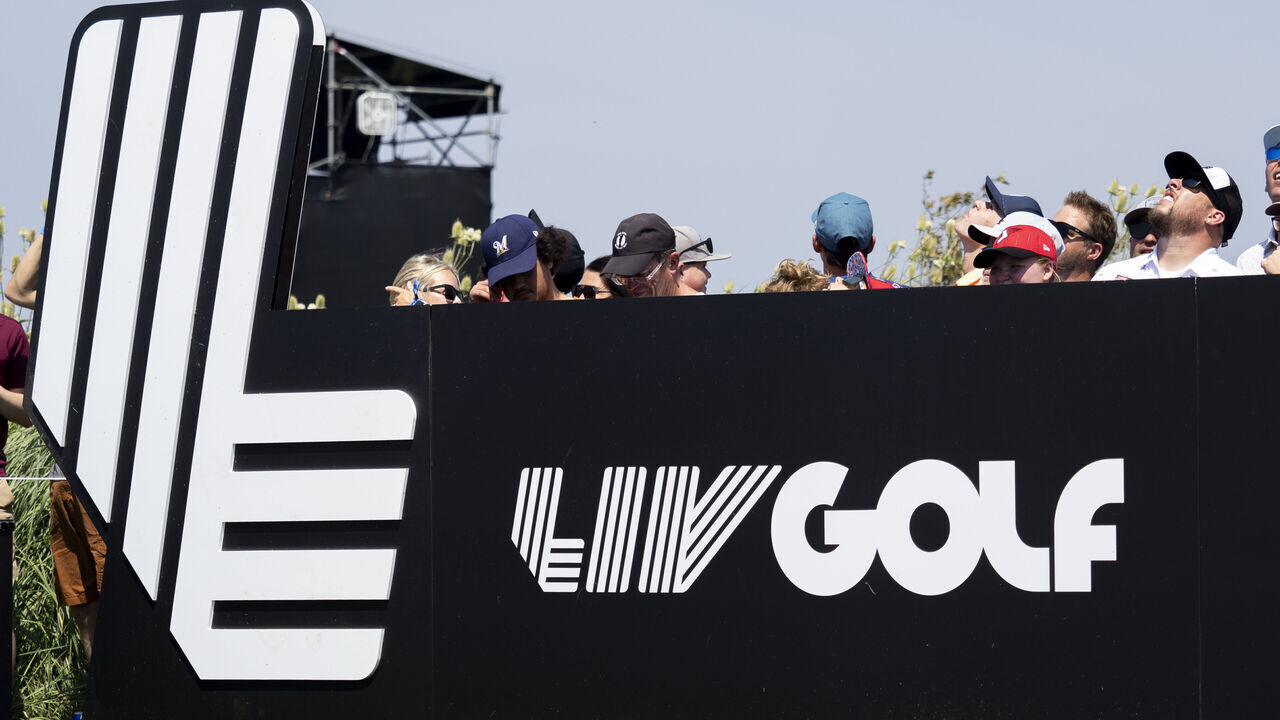
The Shotgun Finale: How LIV Golf Finally Reached the End of the Road
After five turbulent years, billions in sovereign capital, and a failed 2.0 pivot, men's professional golf's most divisive venture prepares to shut its doors.
The grand disruption has run out of runway. Five years after bursting onto the scene with nine-figure signing bonuses, 54-hole shotgun starts, and an aggressive campaign to rewrite elite professional golf, LIV Golf has confirmed plans to wind down operations. Barring an improbable, eleventh-hour rescue package, the venture is heading straight toward formal bankruptcy proceedings, closing one of the most contentious and expensive chapters in the history of modern sport.The grand disruption has run out of runway. Five years after bursting onto the scene with nine-figure signing bonuses, 54-hole shotgun starts, and an aggressive campaign to rewrite elite professional golf, LIV Golf has confirmed plans to wind down operations. Barring an improbable, eleventh-hour rescue package, the venture is heading straight toward formal bankruptcy proceedings, closing one of the most contentious and expensive chapters in the history of modern sport.
The collapse did not arrive in a vacuum, but the speed of the final unravelling has stunned the industry. After bleeding momentum over successive seasons, the league suffered critical blows after losing two key financial backers in just a matter of months. When the proposed 'LIV 2.0' restructured model failed to secure critical operational traction—hamstrung primarily by prospective investors dropping bids due to an acute lack of top-tier player commitments—the entire enterprise reached a financial and logistical dead end.The collapse did not arrive in a vacuum, but the speed of the final unravelling has stunned the industry. After bleeding momentum over successive seasons, the league suffered critical blows after losing two key financial backers in just a matter of months. When the proposed 'LIV 2.0' restructured model failed to secure critical operational traction—hamstrung primarily by prospective investors dropping bids due to an acute lack of top-tier player commitments—the entire enterprise reached a financial and logistical dead end.
What began as an unprecedented flex of sovereign wealth and player leverage ultimately collided with cold commercial math. Despite funnelling billions of dollars into player guarantees, festival-style tournament builds, and global marketing pushes, the league never managed to build a sustainable commercial ecosystem or television audience capable of outliving its initial underwriting. When the capital spigots finally tightened and outside investors balked at the lack of fresh talent, the underlying structure folded in on itself.What began as an unprecedented flex of sovereign wealth and player leverage ultimately collided with cold commercial math. Despite funnelling billions of dollars into player guarantees, festival-style tournament builds, and global marketing pushes, the league never managed to build a sustainable commercial ecosystem or television audience capable of outliving its initial underwriting. When the capital spigots finally tightened and outside investors balked at the lack of fresh talent, the underlying structure folded in on itself.
For the headline names who took the upfront payouts—from Phil Mickelson to the roster of major champions who anchored individual team franchises—the immediate reality is jarring. The closure leaves dozens of contracted players, team personnel, and operational staff in limbo, forcing the game's decision-makers to confront the immediate question of how, or if, former marquee names will be reintegrated into the traditional tournament ecosystem.For the headline names who took the upfront payouts—from Phil Mickelson to the roster of major champions who anchored individual team franchises—the immediate reality is jarring. The closure leaves dozens of contracted players, team personnel, and operational staff in limbo, forcing the game's decision-makers to confront the immediate question of how, or if, former marquee names will be reintegrated into the traditional tournament ecosystem.
LIV’s legacy will be debated for decades across boardrooms and locker rooms alike. While it forced historic purse inflation, equity structures, and schedule overhauls across the establishment, its own operational demise stands as a stark reminder: even unlimited funding cannot manufacture lasting sporting relevance without authentic competition, genuine fan engagement, and willing participants on the tee box.LIV’s legacy will be debated for decades across boardrooms and locker rooms alike. While it forced historic purse inflation, equity structures, and schedule overhauls across the establishment, its own operational demise stands as a stark reminder: even unlimited funding cannot manufacture lasting sporting relevance without authentic competition, genuine fan engagement, and willing participants on the tee box.
Gallery
"Five years after its dramatic launch, LIV Golf is joining the ranks of the unliving after losing two financial backers."
Why it matters
LIV Golf's closure concludes half a decade of unprecedented civil war in men's professional golf. The impending bankruptcy forces the PGA Tour and international bodies to determine how to integrate stranded stars and restructure the global schedule without sovereign competition.
Sources
- 1.LIV Golf plans to shut downnbcnews.com
- 2.
- 3.
- 4.
Reported by the Downforce & Divots desk from the sources above.
The clubhouse.
- No replies yet. Be the first.