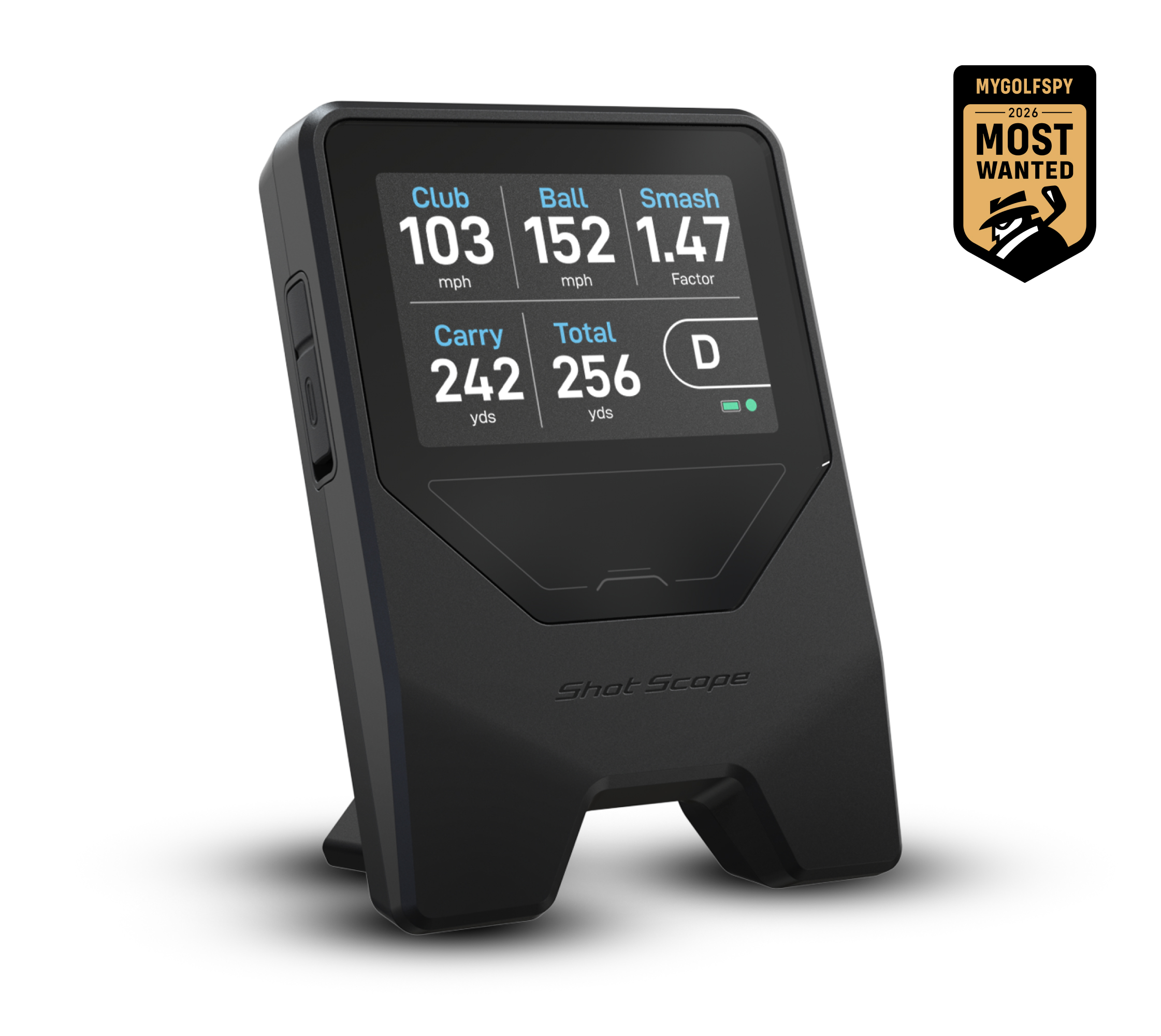
The Sub-$200 Ballistics Lab: Inside the Consumer Launch Monitor Arms Race
Personal tracking tech has broken free of the commercial studio, condensing 49 metrics and high-speed optics into devices priced for the weekend bag.
Not long ago, capturing genuine club-and-ball flight metrics required a four-figure commercial lease, a darkened indoor bay, or a dedicated studio rig like Foresight Sports' dual high-speed camera and infrared-guided GC2. For the casual amateur chasing clean contact on a public range, detailed launch dynamics were an expensive luxury reserved for tour trucks and master fitters. That hardware barrier has effectively collapsed.Not long ago, capturing genuine club-and-ball flight metrics required a four-figure commercial lease, a darkened indoor bay, or a dedicated studio rig like Foresight Sports' dual high-speed camera and infrared-guided GC2. For the casual amateur chasing clean contact on a public range, detailed launch dynamics were an expensive luxury reserved for tour trucks and master fitters. That hardware barrier has effectively collapsed.
The modern consumer launch monitor market is undergoing a ruthless democratization, driven by aggressive optical pricing and increasingly clever software stacks. In MyGolfSpy’s 2026 Most Wanted testing, Edinburgh-based Shot Scope claimed top honours in the under-$500 personal category with its LM1. Tested against 17 competing models across more than 500 benchmark shots, the $199.99 unit proved that essential ballistics tracking no longer commands a four-figure toll fee.The modern consumer launch monitor market is undergoing a ruthless democratization, driven by aggressive optical pricing and increasingly clever software stacks. In MyGolfSpy’s 2026 Most Wanted testing, Edinburgh-based Shot Scope claimed top honours in the under-$500 personal category with its LM1. Tested against 17 competing models across more than 500 benchmark shots, the $199.99 unit proved that essential ballistics tracking no longer commands a four-figure toll fee.
What makes this tier compelling is not merely low pricing, but the sharp escalation in capability. Where entry-level units once provided rough estimates of ball speed and extrapolated carry distance, modern consumer hardware is pushing deeply into club path analysis, dynamic loft, and immediate impact capture.What makes this tier compelling is not merely low pricing, but the sharp escalation in capability. Where entry-level units once provided rough estimates of ball speed and extrapolated carry distance, modern consumer hardware is pushing deeply into club path analysis, dynamic loft, and immediate impact capture.
At the more complex end of the standalone spectrum sits hardware like the NeoPace G10 Pro. Rather than settling for bare-bones radar doppler readings, the platform marries dual-tracking cameras with radar to pull 49 separate metrics from a single swing. Crucially, it pairs that raw telemetry with high-speed impact cameras capturing up to 480 frames per second alongside 3D swing replays and TrainerIQ AI coaching.At the more complex end of the standalone spectrum sits hardware like the NeoPace G10 Pro. Rather than settling for bare-bones radar doppler readings, the platform marries dual-tracking cameras with radar to pull 49 separate metrics from a single swing. Crucially, it pairs that raw telemetry with high-speed impact cameras capturing up to 480 frames per second alongside 3D swing replays and TrainerIQ AI coaching.
The result is a practice ecosystem where the golfer is no longer guessing whether that high push-fade stemmed from an open face or an out-to-in swing path. By tethering instant impact footage directly to 3D clubhead kinematics, personal units are delivering the kind of granular diagnosis that previously required an on-site teaching professional.The result is a practice ecosystem where the golfer is no longer guessing whether that high push-fade stemmed from an open face or an out-to-in swing path. By tethering instant impact footage directly to 3D clubhead kinematics, personal units are delivering the kind of granular diagnosis that previously required an on-site teaching professional.
As practice routines increasingly migrate to home hitting nets, garage bays, and local outdoor driving ranges, the appetite for verified ball data continues to surge. With hardware benchmarks dropping below the $200 threshold while upper-tier consumer units pack 480-fps visual verification, the launch monitor has officially transitioned from a luxury commercial installation to a standard piece of weekend equipment.As practice routines increasingly migrate to home hitting nets, garage bays, and local outdoor driving ranges, the appetite for verified ball data continues to surge. With hardware benchmarks dropping below the $200 threshold while upper-tier consumer units pack 480-fps visual verification, the launch monitor has officially transitioned from a luxury commercial installation to a standard piece of weekend equipment.
Gallery
"The LM1 was highlighted as the top option for golfers seeking a personal launch monitor, offering essential performance data to improve practice sessions."
Why it matters
Personal launch monitors have shattered the four-figure price barrier, giving amateur golfers access to high-speed visual impact data and multi-metric analytics without booking a commercial studio. This rapid hardware miniaturisation is fundamentally reshaping how players practice and diagnose their swings independently.
Sources
- 1.
- 2.
- 3.Shot Scope LM1 recognized as Best Launch Monitor ...golfbusinessnews.com
- 4.
Reported by the Downforce & Divots desk from the sources above.
The clubhouse.
- No replies yet. Be the first.