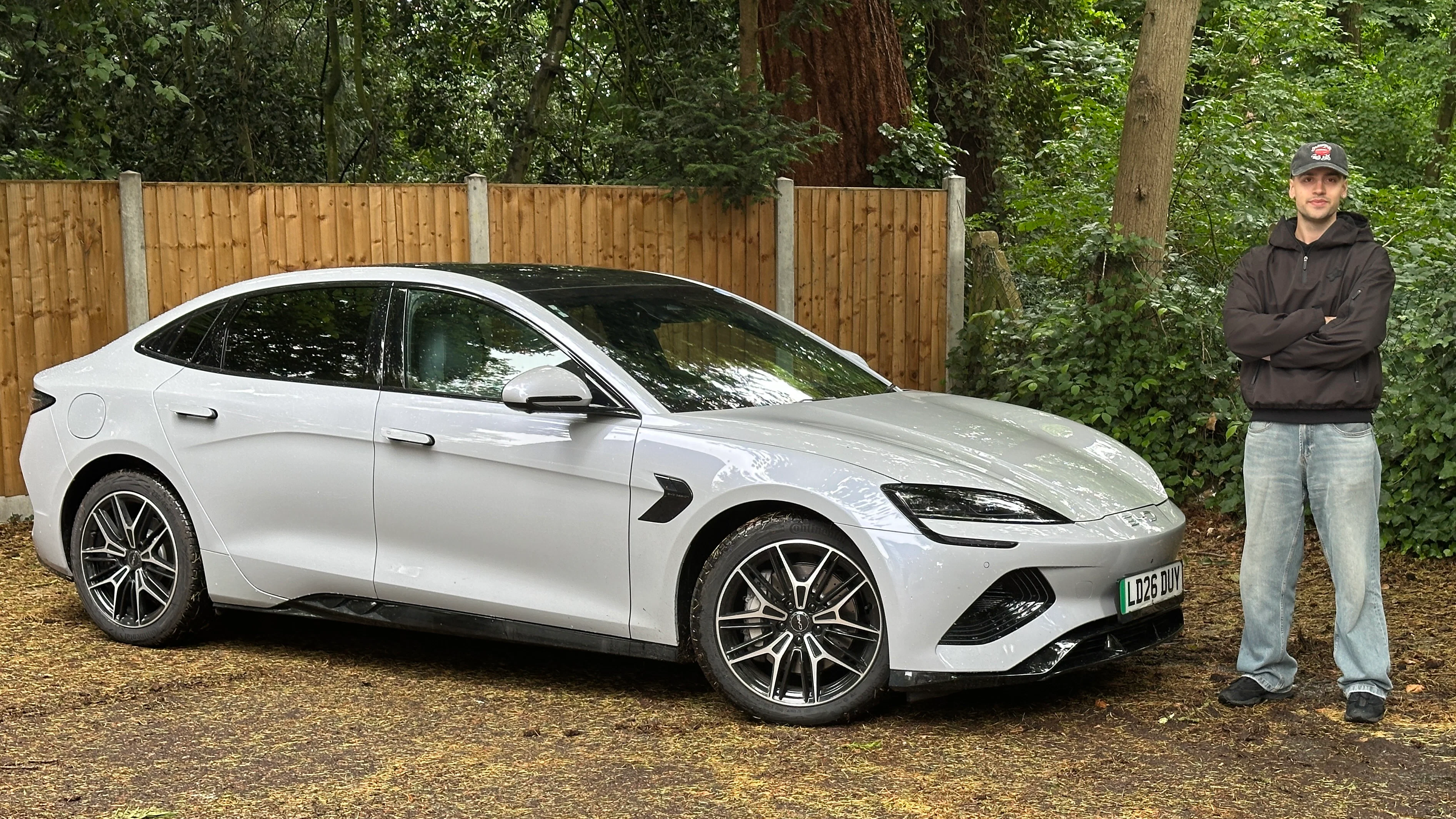
The Silent Revolution: China’s Lithium Hegemony Meets the British Tarmac
As BYD and Leapmotor flood the UK market, the old guard faces a brutal reckoning over battery costs and software sovereignty.
The landscape of the British driveway is undergoing a fundamental shift that has little to do with prestige and everything to do with the periodic table. While the enthusiast press often fixates on zero-to-sixty times, the real battle is being won in the supply chain. China now produces approximately 70% of the world's lithium-ion batteries, a dominance that has allowed manufacturers like BYD and MG to undercut European stalwarts on price without necessarily sacrificing the technical benchmarks that modern EV buyers demand.
For the UK consumer, the proposition is becoming increasingly difficult to ignore. Brands like Omoda and Leapmotor are arriving with warranty structures and service networks designed to alleviate the traditional anxieties of the 'early adopter.' By leveraging salary sacrifice schemes, these manufacturers are effectively lowering the barrier to entry, shifting the risk away from the individual and onto the corporate fleet—a move that is rapidly normalizing these new entrants on our motorways.For the UK consumer, the proposition is becoming increasingly difficult to ignore. Brands like Omoda and Leapmotor are arriving with warranty structures and service networks designed to alleviate the traditional anxieties of the 'early adopter.' By leveraging salary sacrifice schemes, these manufacturers are effectively lowering the barrier to entry, shifting the risk away from the individual and onto the corporate fleet—a move that is rapidly normalizing these new entrants on our motorways.
The price disparity is staggering when viewed through a global lens. In domestic markets, a Tesla Model 3 has been seen for approximately $16,500, a figure that seems hallucinatory to those accustomed to Western MSRPs. This aggressive pricing is fueled by China’s mastery of not just pure electric platforms, but also range-extended vehicles that serve as the pragmatic bridge for those not yet ready to commit to a full-battery lifestyle.The price disparity is staggering when viewed through a global lens. In domestic markets, a Tesla Model 3 has been seen for approximately $16,500, a figure that seems hallucinatory to those accustomed to Western MSRPs. This aggressive pricing is fueled by China’s mastery of not just pure electric platforms, but also range-extended vehicles that serve as the pragmatic bridge for those not yet ready to commit to a full-battery lifestyle.
However, the rivalry between the Chinese upstarts and Tesla isn't merely a race to the bottom on price. While China holds the crown for battery production and raw material processing, Tesla maintains a perceived lead in the 'software-defined vehicle' space. This creates a fascinating tension for the premium buyer: do you opt for the manufacturing efficiency and hardware value of a BYD Seal, or the silicon-valley logic and integrated ecosystem of the American incumbent?However, the rivalry between the Chinese upstarts and Tesla isn't merely a race to the bottom on price. While China holds the crown for battery production and raw material processing, Tesla maintains a perceived lead in the 'software-defined vehicle' space. This creates a fascinating tension for the premium buyer: do you opt for the manufacturing efficiency and hardware value of a BYD Seal, or the silicon-valley logic and integrated ecosystem of the American incumbent?
Data sovereignty has emerged as the new front line. As these vehicles become rolling supercomputers, the question of where your driving data resides—and who has access to it—is no longer a fringe concern. Tesla’s long-standing software infrastructure is being tested by Chinese competitors who are rapidly iterating on user interface and connectivity, attempting to prove that a lower price tag doesn't mean a compromise in digital sophistication.Data sovereignty has emerged as the new front line. As these vehicles become rolling supercomputers, the question of where your driving data resides—and who has access to it—is no longer a fringe concern. Tesla’s long-standing software infrastructure is being tested by Chinese competitors who are rapidly iterating on user interface and connectivity, attempting to prove that a lower price tag doesn't mean a compromise in digital sophistication.
Even established giants like BMW are feeling the heat. With the iX3 ranking among the best current electric offerings in the UK, the pressure is on to justify a premium badge when the underlying battery technology might be sourced from the very rivals trying to take their market share. The Kia PV5 and other new arrivals further crowd a marketplace where 'good' is no longer enough; you now have to be both excellent and economically viable.Even established giants like BMW are feeling the heat. With the iX3 ranking among the best current electric offerings in the UK, the pressure is on to justify a premium badge when the underlying battery technology might be sourced from the very rivals trying to take their market share. The Kia PV5 and other new arrivals further crowd a marketplace where 'good' is no longer enough; you now have to be both excellent and economically viable.
Ultimately, the 'electric thing' is no longer a futuristic promise—it is a present-day commodity war. The winners won't just be those who build the prettiest cars, but those who can secure the lithium and manage the data most effectively. For the British driver, the choice is widening, but the origin of the power under their feet is increasingly pointing toward the East.Ultimately, the 'electric thing' is no longer a futuristic promise—it is a present-day commodity war. The winners won't just be those who build the prettiest cars, but those who can secure the lithium and manage the data most effectively. For the British driver, the choice is widening, but the origin of the power under their feet is increasingly pointing toward the East.
Gallery
"China now produces around 70% of the world's lithium-ion batteries, leaving others to chase software supremacy."
Why it matters
China's dominance in battery production has fundamentally disrupted EV pricing, forcing a choice between hardware value and software prestige. As brands like BYD and Omoda establish UK service networks, the traditional barriers to entry for non-Western marques are evaporating.
Sources
- 1.The 10 Longest Range Electric Cars in the UK (2026)loveelectric.cars
- 2.China EVs vs Tesla: What Happens to Your Data?linkedin.com
- 3.
- 4.
Reported by the Downforce & Divots desk from the sources above.
The clubhouse.
- No replies yet. Be the first.