The Output Chasm: Inside the Real Tech Gap Threatening Tesla’s Global Hegemony
Beyond boardroom margins and tariff walls, China’s 1,300-horsepower electric weapons and autonomous advancements are forcing a technical reckoning.
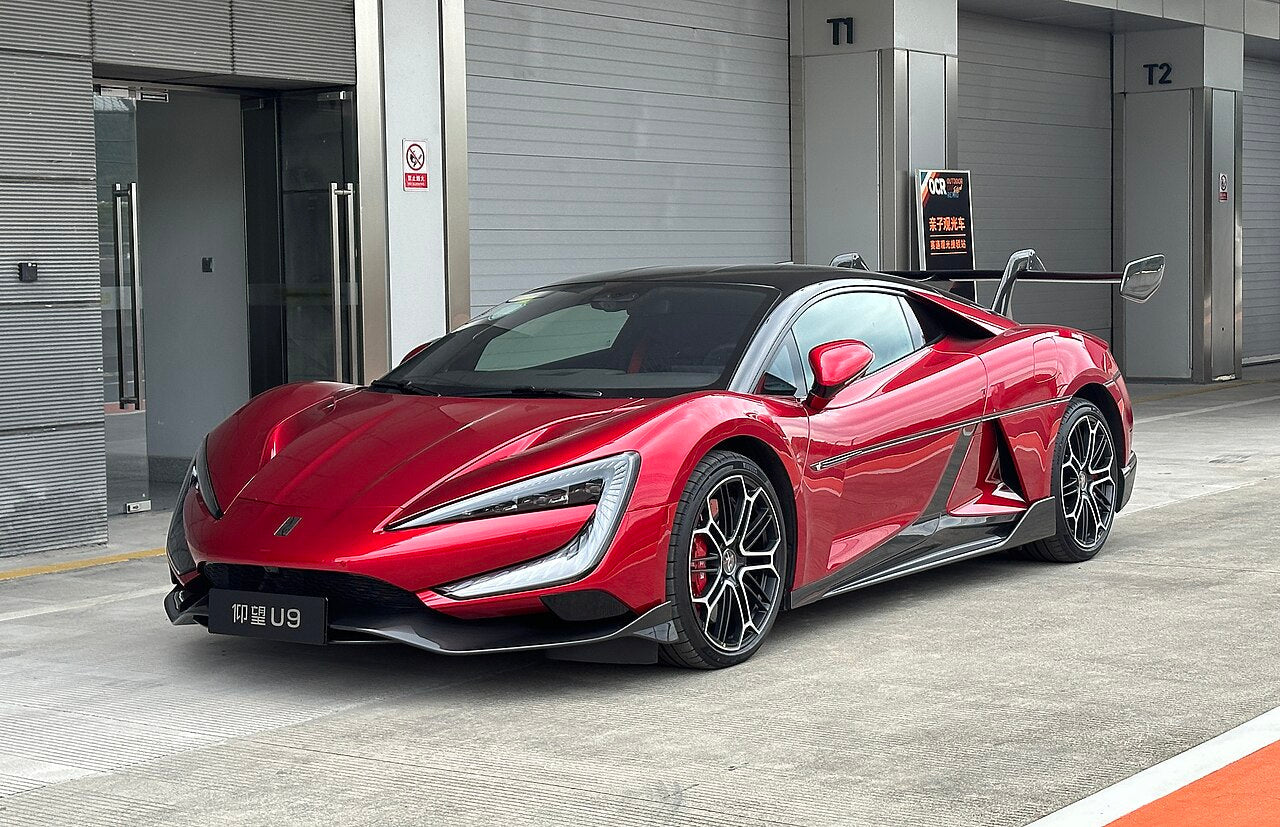
For years, Western automakers comforted themselves with the belief that even if Chinese manufacturers mastered volume manufacturing and aggressive cost structures, Western engineering would maintain a monopoly on cutting-edge software, autonomous capability, and raw enthusiast appeal. That comfort is evaporating at pace. Across Chinese testing grounds and tech showcases, a new generation of high-performance electric vehicles pushing 1,300 horsepower is revealing an engineering landscape that has moved far beyond simple value plays into uncompromising, tier-one technical execution.For years, Western automakers comforted themselves with the belief that even if Chinese manufacturers mastered volume manufacturing and aggressive cost structures, Western engineering would maintain a monopoly on cutting-edge software, autonomous capability, and raw enthusiast appeal. That comfort is evaporating at pace. Across Chinese testing grounds and tech showcases, a new generation of high-performance electric vehicles pushing 1,300 horsepower is revealing an engineering landscape that has moved far beyond simple value plays into uncompromising, tier-one technical execution.
The contrast between legacy market assumptions and real-world silicon is stark. While Tesla continues to anchor itself in the premium electric vehicle segment with its proprietary software stack, Chinese players—led by BYD and an aggressive ecosystem of domestic startups—are scaling their global footprint across a much wider vehicle lineup. They are not merely competing on low price points; they are deploying advanced battery technologies and ultra-high-output powertrains that rival and often exceed the peak performance benchmarks set in Fremont and Austin.
Autonomous driving technology in China has accelerated at a cadence that should rattle Western boardrooms. Live demonstrations of China's latest autonomous systems reveal urban navigation and sensor-fusion integration operating with seamless competence in dense, chaotic traffic environments. Rather than gating high-level driver-assist tech behind exorbitant paywalls or perpetual beta testing, Chinese manufacturers are baking sophisticated autonomy directly into production platforms as standard baseline architecture.Autonomous driving technology in China has accelerated at a cadence that should rattle Western boardrooms. Live demonstrations of China's latest autonomous systems reveal urban navigation and sensor-fusion integration operating with seamless competence in dense, chaotic traffic environments. Rather than gating high-level driver-assist tech behind exorbitant paywalls or perpetual beta testing, Chinese manufacturers are baking sophisticated autonomy directly into production platforms as standard baseline architecture.
Compounding this technical surge is an economic resilience that defies Western industry forecasts. While European and American manufacturers bleed substantial cash navigating their EV pivots and retooling legacy factories, a notable crop of Chinese EV manufacturers has managed to turn profitable. Achieving black ink on production ledgers gives these companies the operational freedom to reinvest massive capital into battery longevity, high-voltage thermal management, and rapid hardware iterations.Compounding this technical surge is an economic resilience that defies Western industry forecasts. While European and American manufacturers bleed substantial cash navigating their EV pivots and retooling legacy factories, a notable crop of Chinese EV manufacturers has managed to turn profitable. Achieving black ink on production ledgers gives these companies the operational freedom to reinvest massive capital into battery longevity, high-voltage thermal management, and rapid hardware iterations.
The global EV battlefield is no longer a localized volume scuffle within East Asian borders; it is a direct confrontation over software intelligence, powertrain envelope, and manufacturing efficiency. With BYD mounting an aggressive international push and high-performance, 1,300-horsepower demonstrators illustrating what Chinese engineering can accomplish when unconstrained by legacy architecture, Tesla and its European competitors are facing an opposition that holds both the balance sheet and the engineering throttle.The global EV battlefield is no longer a localized volume scuffle within East Asian borders; it is a direct confrontation over software intelligence, powertrain envelope, and manufacturing efficiency. With BYD mounting an aggressive international push and high-performance, 1,300-horsepower demonstrators illustrating what Chinese engineering can accomplish when unconstrained by legacy architecture, Tesla and its European competitors are facing an opposition that holds both the balance sheet and the engineering throttle.
Gallery
"While American and European rivals bleed cash transitioning to EVs, a new crop of Chinese EV startups are in the black."
Why it matters
The rapid convergence of 1,300-horsepower powertrain tech, advanced autonomy, and operational profitability among Chinese automakers invalidates the West's technological moat. Tesla and European legacy marques face direct pressure across both premium software metrics and mass-market pricing.
Sources
- 1.
- 2.
- 3.
- 4.**Tesla vs BYD: Who's Winning the Global ...instagram.com
Reported by the Downforce & Divots desk from the sources above.
The clubhouse.
- No replies yet. Be the first.