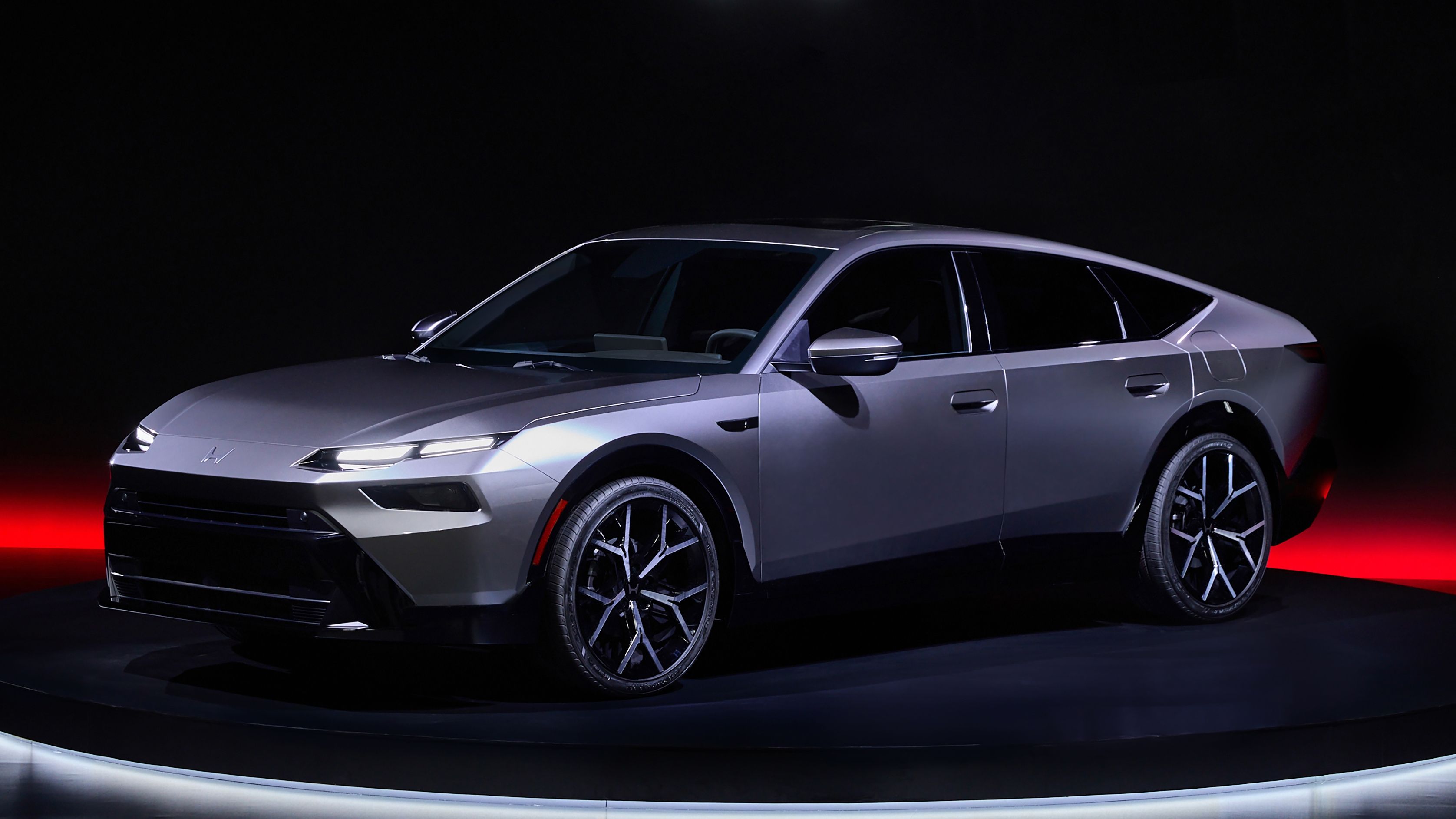
The Rear-Axle Volt: Honda Armours Its Hybrid Lineup With Electric AWD
As EV subsidies sunset and charging networks mature, Tokyo’s engineering heavyweights bypass mechanical prop shafts for a dedicated rear electric motor.
The North American hybrid landscape is undergoing a quiet, torque-laden recalibration. Honda has confirmed it is bringing electric all-wheel drive (e-AWD) to its next-generation hybrid fleet for the 2027 model year, ditching traditional mechanical linkages in favour of an independent electric drive unit on the rear axle. It is an engineering choice designed to extract instant low-end response and sophisticated slip control while sidestepping the weight penalty of conventional all-wheel-drive hardware.The North American hybrid landscape is undergoing a quiet, torque-laden recalibration. Honda has confirmed it is bringing electric all-wheel drive (e-AWD) to its next-generation hybrid fleet for the 2027 model year, ditching traditional mechanical linkages in favour of an independent electric drive unit on the rear axle. It is an engineering choice designed to extract instant low-end response and sophisticated slip control while sidestepping the weight penalty of conventional all-wheel-drive hardware.
The timing is anything but accidental. With North American regulatory environments navigating the expiry of federal electric vehicle tax credits and shifting tariff structures, consumer appetites have swung sharply back toward hyper-efficient transitional powertrains. By deploying a dedicated rear-mounted electric motor rather than routing a mechanical driveshaft through the cabin floorpan, Honda gains precise millisecond-level torque vectoring across split-friction surfaces while keeping powertrain parasitic drag to an absolute minimum.The timing is anything but accidental. With North American regulatory environments navigating the expiry of federal electric vehicle tax credits and shifting tariff structures, consumer appetites have swung sharply back toward hyper-efficient transitional powertrains. By deploying a dedicated rear-mounted electric motor rather than routing a mechanical driveshaft through the cabin floorpan, Honda gains precise millisecond-level torque vectoring across split-friction surfaces while keeping powertrain parasitic drag to an absolute minimum.
This architectural pivot arrives against a backdrop of rapidly evolving charging realities. While the United States crossed the threshold of 80,000 public DC fast-charging ports in the third quarter of 2026, mainstream vehicle buyers are still weighing charging accessibility against immediate operational versatility. Honda’s e-AWD hybrid strategy targets that exact psychological sweet spot: full-electric launch characteristics and genuine all-weather stability without the logistical dependency on public charging stalls.This architectural pivot arrives against a backdrop of rapidly evolving charging realities. While the United States crossed the threshold of 80,000 public DC fast-charging ports in the third quarter of 2026, mainstream vehicle buyers are still weighing charging accessibility against immediate operational versatility. Honda’s e-AWD hybrid strategy targets that exact psychological sweet spot: full-electric launch characteristics and genuine all-weather stability without the logistical dependency on public charging stalls.
Technically, the modular e-AWD setup allows Honda to decouple the rear axle entirely during sustained highway cruising, eliminating mechanical resistance and clawing back crucial miles per gallon. Under heavy throttle demands or when front wheel slip is detected, the rear motor engages seamlessly, delivering immediate off-the-line traction that mirrors the sharp acceleration profiles modern drivers expect from pure battery-electric vehicles.Technically, the modular e-AWD setup allows Honda to decouple the rear axle entirely during sustained highway cruising, eliminating mechanical resistance and clawing back crucial miles per gallon. Under heavy throttle demands or when front wheel slip is detected, the rear motor engages seamlessly, delivering immediate off-the-line traction that mirrors the sharp acceleration profiles modern drivers expect from pure battery-electric vehicles.
For decades, the standard hybrid sedan or crossover accepted all-weather capability as a grudging compromise—either hauling a heavy rear differential or settling for front-wheel-drive efficiency. By giving its 2027 North American hybrid sedans and crossovers an electric rear kick, Honda is ensuring its hybrid core remains fiercely competitive against both surging Chinese imports and domestic pure-EV alternatives.For decades, the standard hybrid sedan or crossover accepted all-weather capability as a grudging compromise—either hauling a heavy rear differential or settling for front-wheel-drive efficiency. By giving its 2027 North American hybrid sedans and crossovers an electric rear kick, Honda is ensuring its hybrid core remains fiercely competitive against both surging Chinese imports and domestic pure-EV alternatives.
Gallery
"Honda’s new hybrids are bringing electric all-wheel drive to North America, delivering sharp rear-axle response without mechanical drag."
Why it matters
As subsidy rollbacks and trade tariffs reshape consumer demand in North America, automakers are turning to electrified all-wheel-drive hybrids to deliver electric performance without charging compromises. Honda's dedicated e-AWD architecture signals how legacy manufacturers will protect high-volume market share over the 2027 cycle.
Sources
- 1.
- 2.Hot, New Electric Cars That Are Coming Soon - Consumer Reportsconsumerreports.org
- 3.
- 4.
Reported by the Downforce & Divots desk from the sources above.
The clubhouse.
- No replies yet. Be the first.