The 300-Mile Baseline: How EV Range Anxiety Became a Solved Equation
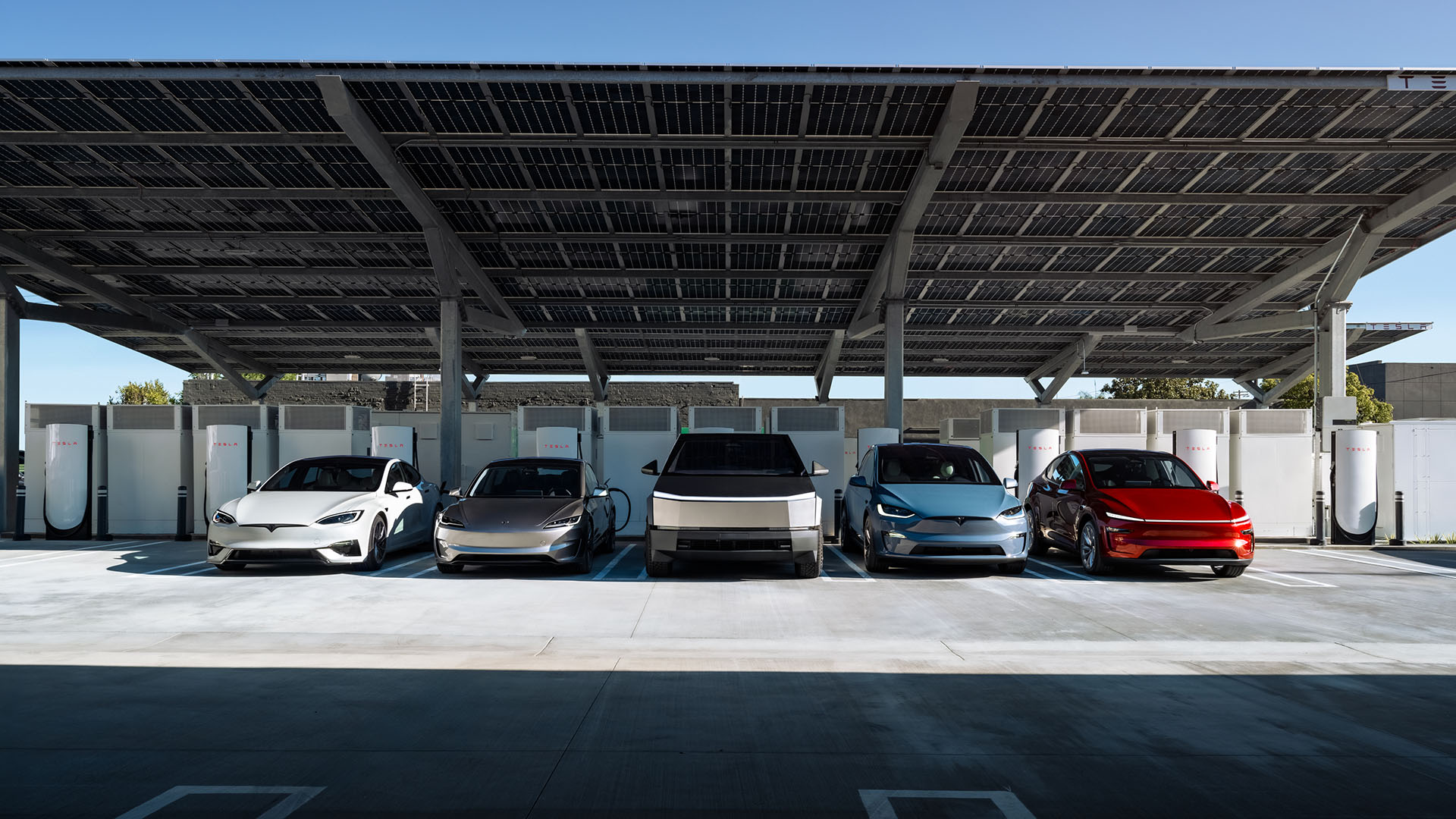
With nearly fifty electric models now clearing the three-hundred-mile threshold in the United States, range is no longer a luxury differentiator—it is table stakes.
There was a time, not all that long ago, when coaxing three hundred miles out of a single battery charge required the aerodynamic profile of a teardrop, the curb weight of a cathedral, and a window sticker easily north of six figures. Range was automotive theatre. It was the sole figure that mattered on spec sheets, discussed with the breathless reverence once reserved for zero-to-sixty times.There was a time, not all that long ago, when coaxing three hundred miles out of a single battery charge required the aerodynamic profile of a teardrop, the curb weight of a cathedral, and a window sticker easily north of six figures. Range was automotive theatre. It was the sole figure that mattered on spec sheets, discussed with the breathless reverence once reserved for zero-to-sixty times.
That era is officially over. According to fresh data tracking the 2026 market from InsideEVs, nearly 50 distinct electric models available in the United States now offer at least 300 miles of range on a full charge. What was once the high-water mark for bespoke silicon and lithium chemistry has quietly transitioned into the universal baseline of modern consumer motoring.That era is officially over. According to fresh data tracking the 2026 market from InsideEVs, nearly 50 distinct electric models available in the United States now offer at least 300 miles of range on a full charge. What was once the high-water mark for bespoke silicon and lithium chemistry has quietly transitioned into the universal baseline of modern consumer motoring.
The sheer volume of models crossing the threshold underscores a fundamental structural shift in vehicle packaging. The milestone is no longer confined to hyper-aerodynamic sedans or six-digit halo machines carrying gargantuan packs; it now spans crossovers, utility haulers, and compact commuters alike. The engineering battleground has decisively moved from raw cell stuffing to volumetric efficiency, charging curve retention, and platform thermodynamics.The sheer volume of models crossing the threshold underscores a fundamental structural shift in vehicle packaging. The milestone is no longer confined to hyper-aerodynamic sedans or six-digit halo machines carrying gargantuan packs; it now spans crossovers, utility haulers, and compact commuters alike. The engineering battleground has decisively moved from raw cell stuffing to volumetric efficiency, charging curve retention, and platform thermodynamics.
For manufacturers, this normalization carries sharp commercial implications. When nearly half a hundred vehicles across multiple segments can comfortably survive an interstate corridor without an emergency navigation detour, battery capacity ceases to be an effective marketing wedge. Selling a car on range alone in late 2026 is like trying to sell an executive saloon solely on the promise that it has six cylinders.For manufacturers, this normalization carries sharp commercial implications. When nearly half a hundred vehicles across multiple segments can comfortably survive an interstate corridor without an emergency navigation detour, battery capacity ceases to be an effective marketing wedge. Selling a car on range alone in late 2026 is like trying to sell an executive saloon solely on the promise that it has six cylinders.
Instead, the critical vectors for electric differentiation are rapidly pivoting toward real-world charging speed, software integration, and vehicle dynamics. As the 300-mile floor becomes an assumed industry standard rather than a badge of honor, carmakers will have to convince buyers with what happens between the stops—not just how far they can drive past them.Instead, the critical vectors for electric differentiation are rapidly pivoting toward real-world charging speed, software integration, and vehicle dynamics. As the 300-mile floor becomes an assumed industry standard rather than a badge of honor, carmakers will have to convince buyers with what happens between the stops—not just how far they can drive past them.
Gallery
"Nearly 50 electric cars offer at least 300 miles of range in the U.S. today."
Why it matters
The proliferation of 300-mile EVs strips away the auto industry's longest-running barrier to mainstream adoption. With range largely commoditized across nearly 50 models, automakers must now compete on real-world charging speed, dynamics, and packaging efficiency.
Sources
- 1.
- 2.
- 3.
- 4.
Reported by the Downforce & Divots desk from the sources above.
The clubhouse.
- No replies yet. Be the first.