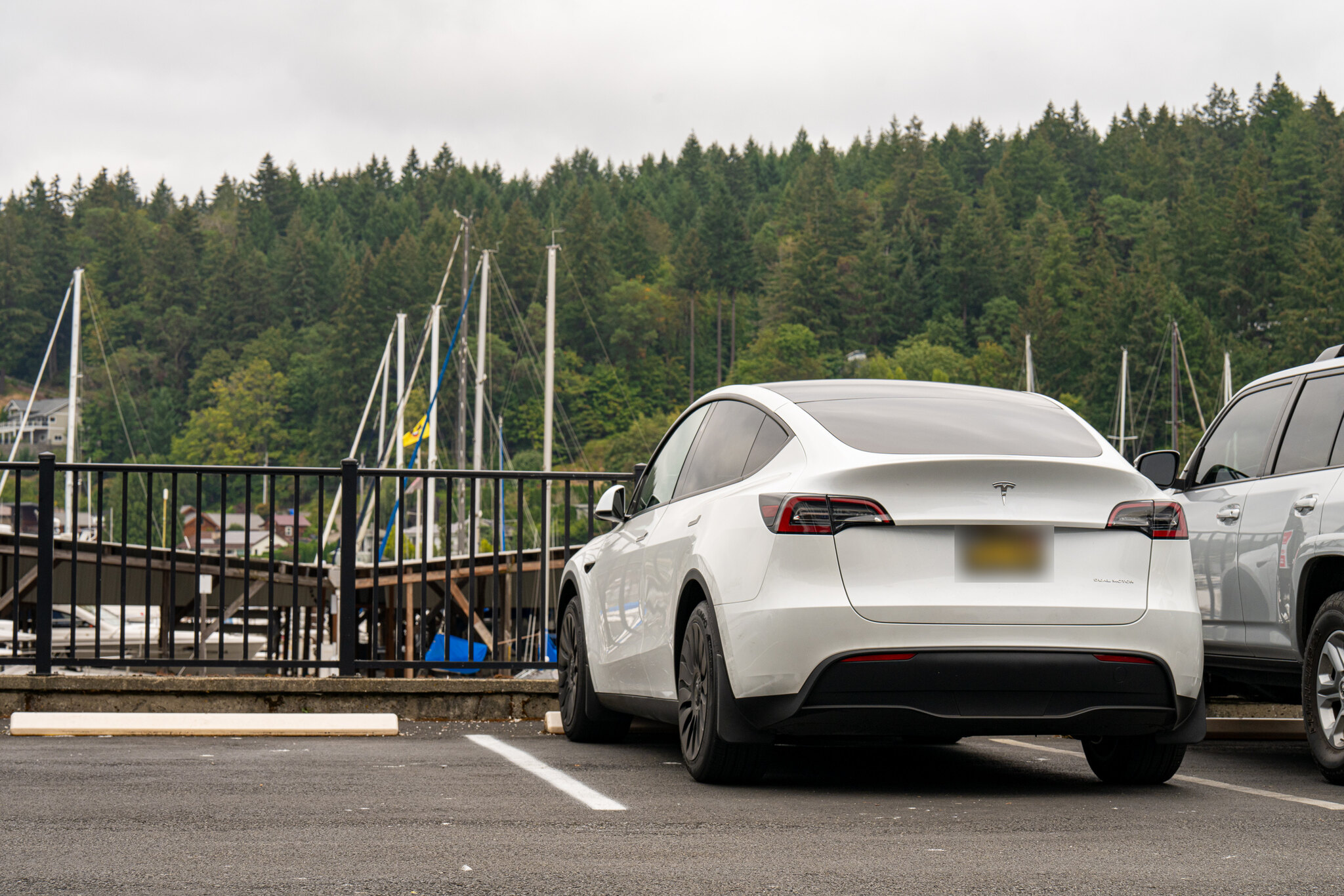
The Metric Reversal: Inside Tesla’s Fall from the Innovation Top Ten
A landmark study by the Center of Automotive Management sees Austin lose its technological crown to BYD, Geely, and German heavyweights.
For the better part of a decade, Western automotive executives treated Tesla’s technological dominance as an immutable law of physics. Software-defined architecture, vertical battery integration, and gigacasting gave Austin an unassailable aura of innovation that left legacy boardrooms scrambling. But the ground beneath the global electric vehicle market has shifted definitively.For the better part of a decade, Western automotive executives treated Tesla’s technological dominance as an immutable law of physics. Software-defined architecture, vertical battery integration, and gigacasting gave Austin an unassailable aura of innovation that left legacy boardrooms scrambling. But the ground beneath the global electric vehicle market has shifted definitively.
According to the latest Electromobility Report published by the Center of Automotive Management (CAM) in Bergisch-Gladbach, Tesla has officially dropped out of the world’s top ten most innovative battery-electric manufacturers. The ranking, led by director Prof. Dr. Stefan Bratzel, reveals a stark realignment: the vanguard is now dominated by aggressive Chinese conglomerates like BYD and Geely Group, flanked by resurgent German powerhouses including Mercedes-Benz, BMW, and Volkswagen Group.
The crux of Tesla’s descent lies not in sudden incompetence, but in product cadence and the velocity of rival engineering cycles. While Austin has largely focused on iterative manufacturing cost reductions and long-delayed autonomous promises, Asian and European competitors have poured capital directly into generational battery and charging leaps.The crux of Tesla’s descent lies not in sudden incompetence, but in product cadence and the velocity of rival engineering cycles. While Austin has largely focused on iterative manufacturing cost reductions and long-delayed autonomous promises, Asian and European competitors have poured capital directly into generational battery and charging leaps.
Nowhere is this technical divergence clearer than at the charging pedestal. While Western fast chargers still treat 350 kW as a high-water mark, BYD has demonstrated 1,000 kW flash-charging infrastructure capable of adding nearly 250 miles of range in just five minutes—a feat showcased on flagships like the Denza Z9GT and trickling down across its high-voltage portfolio.Nowhere is this technical divergence clearer than at the charging pedestal. While Western fast chargers still treat 350 kW as a high-water mark, BYD has demonstrated 1,000 kW flash-charging infrastructure capable of adding nearly 250 miles of range in just five minutes—a feat showcased on flagships like the Denza Z9GT and trickling down across its high-voltage portfolio.
European legacy brands have similarly fortified their technological standing. Mercedes-Benz and BMW have steadily gained ground in CAM's index by rolling out dedicated 800-volt architectures, ultra-dense battery chemistries, and refined silicon-carbide inverters that match or exceed Tesla’s real-world powertrain efficiency.European legacy brands have similarly fortified their technological standing. Mercedes-Benz and BMW have steadily gained ground in CAM's index by rolling out dedicated 800-volt architectures, ultra-dense battery chemistries, and refined silicon-carbide inverters that match or exceed Tesla’s real-world powertrain efficiency.
The resulting landscape is a warning shot to any automaker resting on early-mover advantages. As Chinese EV makers achieve sustainable profitability alongside rapid technical deployment, the gap between Silicon Valley marketing and engineering output has never looked wider.The resulting landscape is a warning shot to any automaker resting on early-mover advantages. As Chinese EV makers achieve sustainable profitability alongside rapid technical deployment, the gap between Silicon Valley marketing and engineering output has never looked wider.
Gallery
"Tesla has dropped out of the top 10, while rankings continue to be dominated by Chinese and German companies."
Why it matters
Tesla's exclusion from CAM's innovation top ten signals that the EV technology frontier has moved from software hype to high-voltage hardware and rapid charging breakthroughs. With BYD, Geely, and German automakers leading the engineering charge, the global EV market has entered an unforgiving second phase.
Sources
- 1.
- 2.
- 3.
- 4.
Reported by the Downforce & Divots desk from the sources above.
The clubhouse.
- No replies yet. Be the first.