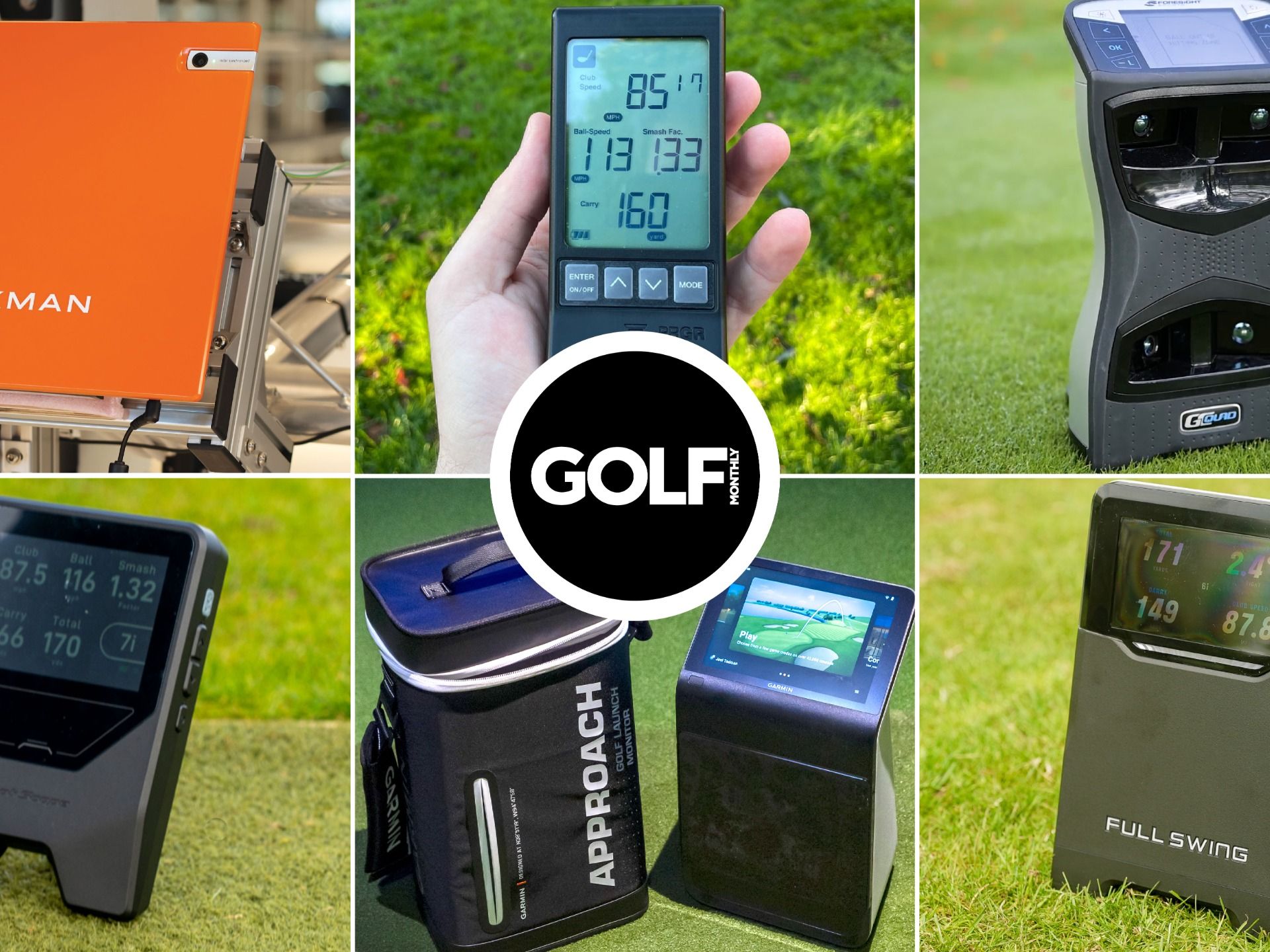
The Metric Illusion: Are Launch Monitors Actually Calibrated to Reality?
As consumer radars and optical units flood the practice tee, golfers are drowning in ball speed numbers—but whether the algorithm matches open-air flight remains the ultimate question.
The modern driving range has quietly transformed into an optical laboratory. Between consumer-facing Doppler radar rigs, high-speed camera units like the Bushnell Launch Pro, and portable setups like the Rapsodo MLM2PRO and SkyTrak, weekend golfers now have instantaneous access to metrics once reserved exclusively for tour trucks: carry distance, horizontal launch angles, and acute club delivery numbers.The modern driving range has quietly transformed into an optical laboratory. Between consumer-facing Doppler radar rigs, high-speed camera units like the Bushnell Launch Pro, and portable setups like the Rapsodo MLM2PRO and SkyTrak, weekend golfers now have instantaneous access to metrics once reserved exclusively for tour trucks: carry distance, horizontal launch angles, and acute club delivery numbers.
Yet as MyGolfSpy’s Sean Fairholm tackled in a recent deep-dive mailbag examining equipment analytics, a fundamental question continues to divide the gear community: are these ubiquitous launch monitors genuinely tested against real-world ball flight, or are players simply optimizing for an agreeable algorithm on a screen?Yet as MyGolfSpy’s Sean Fairholm tackled in a recent deep-dive mailbag examining equipment analytics, a fundamental question continues to divide the gear community: are these ubiquitous launch monitors genuinely tested against real-world ball flight, or are players simply optimizing for an agreeable algorithm on a screen?
The distinction matters immensely when dialing in iron play and turf interaction. Modern launch monitors operate through distinct measurement philosophies—some read photometric data right at the strike to model downrange descent, while radar-based units track the initial flight window and calculate atmospheric decay. When amateur testers dissect anomalies like a 105.4 mph ball speed with a 9-iron, the line between authentic compression and a synthetic high-altitude calculation can drastically skew club gapping.The distinction matters immensely when dialing in iron play and turf interaction. Modern launch monitors operate through distinct measurement philosophies—some read photometric data right at the strike to model downrange descent, while radar-based units track the initial flight window and calculate atmospheric decay. When amateur testers dissect anomalies like a 105.4 mph ball speed with a 9-iron, the line between authentic compression and a synthetic high-altitude calculation can drastically skew club gapping.
The rise of temporary garage bays and pop-up net setups has further exacerbated the reliance on synthetic output. Without hundreds of yards of real turf to visually confirm whether a high push-fade holds its line against a crosswind, golfers are forced to place absolute faith in onboard processing chips. If the machine's baseline calculation of spin decay or descent angle deviates even marginally from reality, a golfer is merely practicing an illusion.The rise of temporary garage bays and pop-up net setups has further exacerbated the reliance on synthetic output. Without hundreds of yards of real turf to visually confirm whether a high push-fade holds its line against a crosswind, golfers are forced to place absolute faith in onboard processing chips. If the machine's baseline calculation of spin decay or descent angle deviates even marginally from reality, a golfer is merely practicing an illusion.
Fairholm’s inquiry touches on a necessary reckoning for golf tech. Having tour-grade metrics in your back pocket is undeniably revolutionary, but numbers mean nothing if the simulated apex doesn’t land where the physical turf dictates. Until manufacturers offer absolute transparency on how their algorithms bridge the gap between sensor glass and actual grass, a healthy dose of skepticism on the range remains well justified.Fairholm’s inquiry touches on a necessary reckoning for golf tech. Having tour-grade metrics in your back pocket is undeniably revolutionary, but numbers mean nothing if the simulated apex doesn’t land where the physical turf dictates. Until manufacturers offer absolute transparency on how their algorithms bridge the gap between sensor glass and actual grass, a healthy dose of skepticism on the range remains well justified.
Gallery
"Are these ubiquitous launch monitors genuinely tested against real-world ball flight, or are players simply optimizing for an agreeable algorithm?"
Why it matters
As launch monitors become standard training tools for everyday players, the accuracy of their modeled ball flight directly dictates equipment purchases and swing adjustments. If simulated data drifts from open-air physics, golfers risk tuning their games to a screen rather than the course.
Sources
- 1.
- 2.
- 3.
- 4.
Reported by the Downforce & Divots desk from the sources above.
The clubhouse.
- No replies yet. Be the first.