The Forbidden Benchmark: Inside Mexico City’s High-Tech EV Reality Check
Just across the southern border, a wave of cut-price electric flagships is exposing the stark technology gap confronting Western automakers.
To understand the widening fissure in the global automotive landscape, you do not need to fly to Shanghai or Shenzhen. You only need to take a three-hour flight south to Mexico City. On the broad avenues of the Mexican capital, a disorienting automotive split screen is playing out: standard legacy combustion crossovers share tarmac with space-age electric flagships that are strictly off-limits to American buyers, delivering luxury-tier cabin architecture and software at fractions of domestic price points.To understand the widening fissure in the global automotive landscape, you do not need to fly to Shanghai or Shenzhen. You only need to take a three-hour flight south to Mexico City. On the broad avenues of the Mexican capital, a disorienting automotive split screen is playing out: standard legacy combustion crossovers share tarmac with space-age electric flagships that are strictly off-limits to American buyers, delivering luxury-tier cabin architecture and software at fractions of domestic price points.
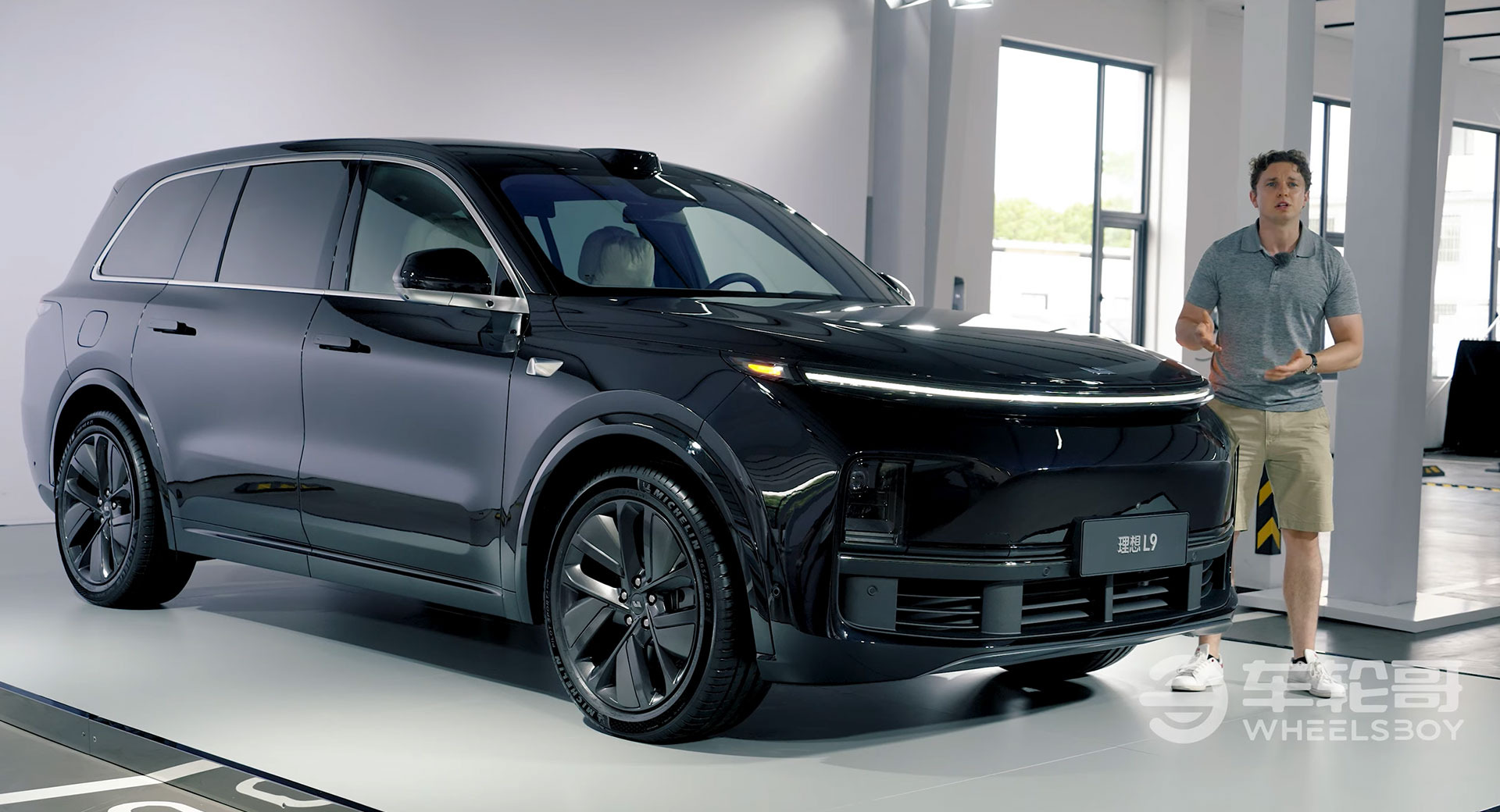
For North American drivers insulated behind tariff walls and protectionist trade rhetoric, the metal roaming south of the Rio Grande represents a profound reality check. Vehicles from brands like Zeekr, Avatr, and Li Auto—including the tech-heavy Li Auto L9—are going directly after established luxury benchmarks from Tesla and BMW. Rather than compromised budget runabouts, these machines arrive with sprawling digital displays, whisper-quiet cabin acoustics, and sophisticated driver-assistance packages that rival six-figure Western badges while retailing at mid-market prices.
The technical comparison is especially jarring when evaluated against the legacy playbook. In domestic showrooms, legacy manufacturers have struggled to package software fluidity and premium interior fitments without ballooning sticker prices into the stratosphere. In contrast, the new crop of cross-border contenders demonstrates how aggressively vertical integration has compressed development cycles, blending high-spec range capabilities with consumer electronics-grade user interfaces.The technical comparison is especially jarring when evaluated against the legacy playbook. In domestic showrooms, legacy manufacturers have struggled to package software fluidity and premium interior fitments without ballooning sticker prices into the stratosphere. In contrast, the new crop of cross-border contenders demonstrates how aggressively vertical integration has compressed development cycles, blending high-spec range capabilities with consumer electronics-grade user interfaces.
What makes this technological invasion harder for legacy brands to dismiss is the underlying balance sheet. While American and European manufacturers continue to burn significant cash reserves retrofitting factories and engineering bespoke EV architectures, leading Chinese startups are already operating in the black. They are not simply subsidising prestige metal to gain market share abroad; their manufacturing efficiencies have reached the point where high-spec, feature-dense vehicles yield actual operating profits.What makes this technological invasion harder for legacy brands to dismiss is the underlying balance sheet. While American and European manufacturers continue to burn significant cash reserves retrofitting factories and engineering bespoke EV architectures, leading Chinese startups are already operating in the black. They are not simply subsidising prestige metal to gain market share abroad; their manufacturing efficiencies have reached the point where high-spec, feature-dense vehicles yield actual operating profits.
This pricing and packaging pressure is not confined to the luxury segment, nor is it strictly a regional anomaly. In Europe, mainstream volume players are being forced to respond downmarket—exemplified in the UK by Hyundai launching its sub-compact Ioniq 3 with over 300 miles of range starting under £18,500 with incentives. Yet across the North American border, the contrast remains acute: consumers in Mexico can readily test-drive the vanguard of affordable high-tech electrification, while drivers just miles to the north remain walled off from the benchmark.This pricing and packaging pressure is not confined to the luxury segment, nor is it strictly a regional anomaly. In Europe, mainstream volume players are being forced to respond downmarket—exemplified in the UK by Hyundai launching its sub-compact Ioniq 3 with over 300 miles of range starting under £18,500 with incentives. Yet across the North American border, the contrast remains acute: consumers in Mexico can readily test-drive the vanguard of affordable high-tech electrification, while drivers just miles to the north remain walled off from the benchmark.
Trade restrictions and regulatory barriers may insulate domestic assembly lines for now, but they cannot stop the benchmark from shifting. Experiencing the vehicles first-hand across the border makes one truth unmistakably clear: the West is no longer setting the technological pace for mainstream electric luxury—it is merely managing its isolation from it.Trade restrictions and regulatory barriers may insulate domestic assembly lines for now, but they cannot stop the benchmark from shifting. Experiencing the vehicles first-hand across the border makes one truth unmistakably clear: the West is no longer setting the technological pace for mainstream electric luxury—it is merely managing its isolation from it.
Gallery
"What I saw was a split screen between a familiar past and a future of luxurious, space-age cars."
Why it matters
As trade barriers shield domestic showrooms, direct market testing in Mexico reveals how far Western automakers have fallen behind on EV luxury, software, and price parity. The widening performance-to-cost gap signals that legacy brands are fighting a product battle they are fundamentally ill-equipped to win without radical platform restructuring.
Sources
- 1.The 10 Longest Range Electric Cars in the UK (2026) | loveelectricloveelectric.cars
- 2.
- 3.
- 4.I went to Mexico to test-drive the cars Americans can't buywashingtonpost.com
Reported by the Downforce & Divots desk from the sources above.
The clubhouse.
- No replies yet. Be the first.