The Efficiency Gap: Why Europe is Chasing Ghosts
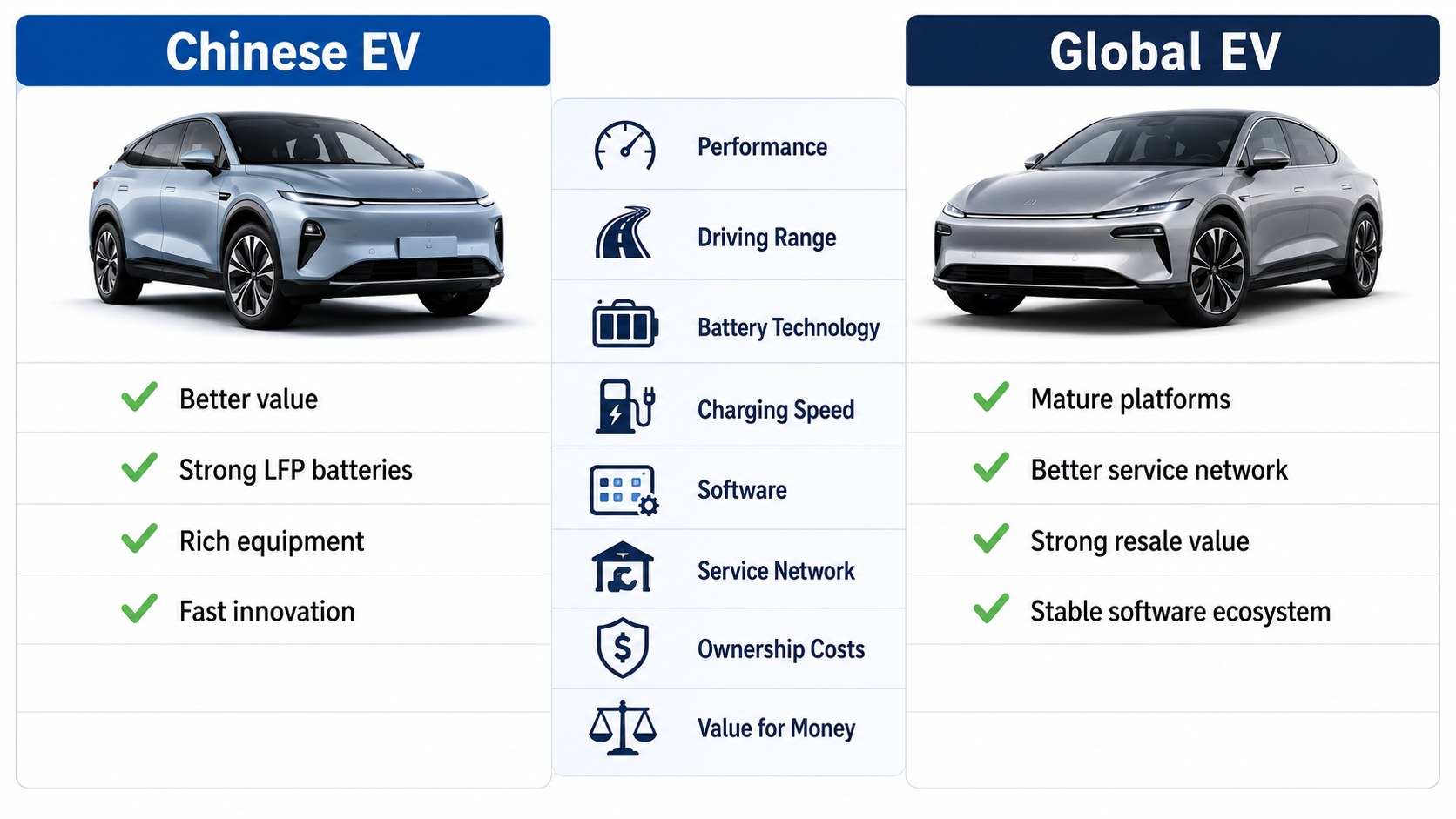
As Chinese manufacturers deploy massive batteries and superior energy management, the traditional automotive establishment is facing an existential range crisis.
The paddock chatter at any modern circuit eventually turns to the same uncomfortable truth: the old guard is being out-engineered in the one metric that actually matters for the daily driver. While European marques have spent decades perfecting the internal combustion engine, a new vanguard of Chinese electric vehicles is rewriting the rules of energy efficiency. The data is becoming impossible to ignore, as consumers and critics alike note a widening chasm between the range delivered by Western staples and their Eastern counterparts.The paddock chatter at any modern circuit eventually turns to the same uncomfortable truth: the old guard is being out-engineered in the one metric that actually matters for the daily driver. While European marques have spent decades perfecting the internal combustion engine, a new vanguard of Chinese electric vehicles is rewriting the rules of energy efficiency. The data is becoming impossible to ignore, as consumers and critics alike note a widening chasm between the range delivered by Western staples and their Eastern counterparts.
Central to this shift is a fundamental difference in battery architecture and energy management. Observers are increasingly surprised by the stark contrast in efficiency; even when equipped with larger batteries, Chinese models are demonstrating an ability to squeeze more kilometres out of every kilowatt-hour. It is not merely a matter of cell density, but a holistic approach to how the vehicle consumes power, from thermal management to aerodynamic drag.Central to this shift is a fundamental difference in battery architecture and energy management. Observers are increasingly surprised by the stark contrast in efficiency; even when equipped with larger batteries, Chinese models are demonstrating an ability to squeeze more kilometres out of every kilowatt-hour. It is not merely a matter of cell density, but a holistic approach to how the vehicle consumes power, from thermal management to aerodynamic drag.
The luxury segment, once the untouchable fortress of German and British engineering, is no longer safe. Recent hands-on testing by long-term Tesla owners and industry veterans suggests that the 'luxury' tag is being redefined by Chinese brands you might not have even heard of a few years ago. The sentiment among those who have made the switch is becoming increasingly blunt: for the established players, the era of easy dominance is over.The luxury segment, once the untouchable fortress of German and British engineering, is no longer safe. Recent hands-on testing by long-term Tesla owners and industry veterans suggests that the 'luxury' tag is being redefined by Chinese brands you might not have even heard of a few years ago. The sentiment among those who have made the switch is becoming increasingly blunt: for the established players, the era of easy dominance is over.
According to the IEA’s Global EV Outlook, the investment disparity is beginning to bear fruit on the showroom floor. Chinese brands have invested heavily in vertical integration, allowing them to iterate on battery tech at a pace that makes the traditional seven-year product cycle look glacial. This isn't just about cheap manufacturing; it’s about a concentrated effort to dominate the technological frontier of the 2026 market.According to the IEA’s Global EV Outlook, the investment disparity is beginning to bear fruit on the showroom floor. Chinese brands have invested heavily in vertical integration, allowing them to iterate on battery tech at a pace that makes the traditional seven-year product cycle look glacial. This isn't just about cheap manufacturing; it’s about a concentrated effort to dominate the technological frontier of the 2026 market.
For the European manufacturers, the challenge is twofold. They must not only match the range and efficiency of these new entrants but do so while maintaining the brand prestige and 'driving feel' that their customers demand. However, as the 2026 model year approaches, the 'Best Chinese EVs' lists are no longer filled with budget commuters, but with high-quality, high-performance machines that challenge the best from Stuttgart and Munich.For the European manufacturers, the challenge is twofold. They must not only match the range and efficiency of these new entrants but do so while maintaining the brand prestige and 'driving feel' that their customers demand. However, as the 2026 model year approaches, the 'Best Chinese EVs' lists are no longer filled with budget commuters, but with high-quality, high-performance machines that challenge the best from Stuttgart and Munich.
Ultimately, the efficiency war won’t be won in a wind tunnel alone. It will be decided by who can best integrate the software-defined vehicle with cutting-edge chemistry. As it stands, the Orient is setting a pace that the rest of the world is struggling to maintain. The gap isn't just closing—in many cases, the establishment is already looking at a set of rapidly receding taillights.Ultimately, the efficiency war won’t be won in a wind tunnel alone. It will be decided by who can best integrate the software-defined vehicle with cutting-edge chemistry. As it stands, the Orient is setting a pace that the rest of the world is struggling to maintain. The gap isn't just closing—in many cases, the establishment is already looking at a set of rapidly receding taillights.
Gallery
"I am surprised of the difference between the efficiency of the European EVs and Chinese ones. With a larger battery, most Chinese models have an advantage."
Why it matters
The shift in energy efficiency represents a permanent tilt in the global automotive power balance. If European manufacturers cannot bridge this range gap by 2026, they risk losing the luxury and performance sectors to Chinese brands that have successfully industrialised superior battery tech.
Sources
- 1.
- 2.
- 3.
- 4.
Reported by the Downforce & Divots desk from the sources above.
The clubhouse.
- No replies yet. Be the first.