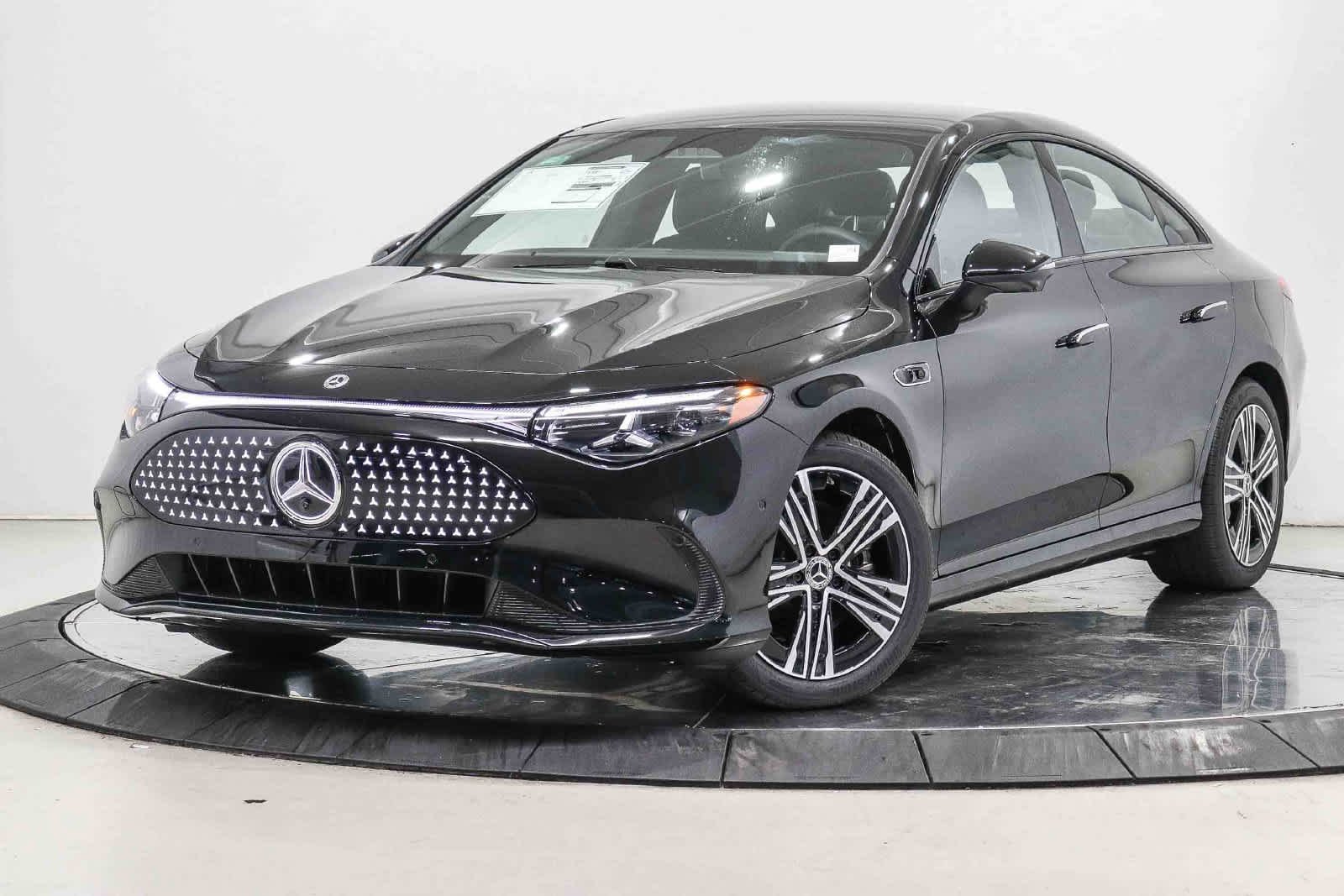
The Anode Arms Race: Inside Mercedes’ Silicon Gamble on the CLA 350
Stuttgart turns to silicon-containing cells and blistering charging speeds to counter ultra-high-voltage Chinese architecture.
The electric range war has officially abandoned the brute-force doctrine. For years, European and Asian manufacturers answered charging anxiety by bolting heavier, pricier battery packs to the floorpans of two-and-a-half-ton flagships. That era of blunt-instrument engineering is closing. In its place arrives a ruthless technical scrap over chemistry, energy density, and pack architecture, where Mercedes-Benz’s new silicon-anode tech on the 2027 CLA 350 Electric is firing an opening salvo.The electric range war has officially abandoned the brute-force doctrine. For years, European and Asian manufacturers answered charging anxiety by bolting heavier, pricier battery packs to the floorpans of two-and-a-half-ton flagships. That era of blunt-instrument engineering is closing. In its place arrives a ruthless technical scrap over chemistry, energy density, and pack architecture, where Mercedes-Benz’s new silicon-anode tech on the 2027 CLA 350 Electric is firing an opening salvo.
Mercedes is wagering that silicon-doped chemistry can deliver where conventional graphite anodes plateau. Testing of the CLA 350 Electric reveals that while the compact four-door retains the quirks typical of an ambitious first-generation architecture, its headline figures are defined by monstrous efficiency and blistering charge acceptance. Silicon anodes dramatically increase lithium retention density without demanding the punishing weight penalty of a hundred-plus kilowatt-hour pack, allowing Mercedes to pursue lightweight aerodynamics without surrendering highway legs.Mercedes is wagering that silicon-doped chemistry can deliver where conventional graphite anodes plateau. Testing of the CLA 350 Electric reveals that while the compact four-door retains the quirks typical of an ambitious first-generation architecture, its headline figures are defined by monstrous efficiency and blistering charge acceptance. Silicon anodes dramatically increase lithium retention density without demanding the punishing weight penalty of a hundred-plus kilowatt-hour pack, allowing Mercedes to pursue lightweight aerodynamics without surrendering highway legs.
The German counterattack lands directly against a surging wave of Eastern hardware designed to render current charging curves obsolete. Chinese premium entrants are already deploying 1,000-volt electrical systems paired with massive 115 kWh packs capable of surpassing 700 kilometres of range, while domestic endurance runs—such as a heavily optimised BMW i3 logged in Chinese testing covering 754 miles on a single charge—demonstrate the relentless push for headline endurance numbers.The German counterattack lands directly against a surging wave of Eastern hardware designed to render current charging curves obsolete. Chinese premium entrants are already deploying 1,000-volt electrical systems paired with massive 115 kWh packs capable of surpassing 700 kilometres of range, while domestic endurance runs—such as a heavily optimised BMW i3 logged in Chinese testing covering 754 miles on a single charge—demonstrate the relentless push for headline endurance numbers.
Yet efficiency under real-world tarmac conditions remains the true battleground. Premium buyers in Europe and North America have grown cynical toward laboratory range figures that melt away at motorway cruising speeds. By integrating silicon chemistry into the compact CLA 350, Mercedes is aiming for rapid turnaround times at the plug rather than hauling excessive cell mass down the autobahn.Yet efficiency under real-world tarmac conditions remains the true battleground. Premium buyers in Europe and North America have grown cynical toward laboratory range figures that melt away at motorway cruising speeds. By integrating silicon chemistry into the compact CLA 350, Mercedes is aiming for rapid turnaround times at the plug rather than hauling excessive cell mass down the autobahn.
The engineering contrast is stark: while segment competitors stack sheer kilowatt-hour capacity and 1,000-volt high-voltage plumbing to overpower thermal bottlenecks, Stuttgart is banking on material science to keep vehicle mass lean. If silicon-containing cells can maintain thermal stability under repeatable high-power charging, Mercedes may have found the blueprint to outmanoeuvre the battery pack weight spiral for good.The engineering contrast is stark: while segment competitors stack sheer kilowatt-hour capacity and 1,000-volt high-voltage plumbing to overpower thermal bottlenecks, Stuttgart is banking on material science to keep vehicle mass lean. If silicon-containing cells can maintain thermal stability under repeatable high-power charging, Mercedes may have found the blueprint to outmanoeuvre the battery pack weight spiral for good.
Gallery
"The CLA Electric’s flaws are overpowered by monster efficiency and charging speeds thanks to new silicon-containing cells."
Why it matters
As the EV market shifts from raw range numbers to rapid charge cycling and lightweight efficiency, Mercedes' adoption of silicon-anode cells on the CLA 350 marks a pivotal shift in mainstream battery chemistry. The move directly challenges high-voltage, heavyweight Chinese architectures for compact luxury supremacy.
Sources
- 1.
- 2.
- 3.
- 4.
Reported by the Downforce & Divots desk from the sources above.
The clubhouse.
- No replies yet. Be the first.