The Tech-Led Siege: Inside China’s High-End Assault on European Asphalt
With European EV sales climbing 55 percent, Chinese marques are abandoning the budget playbook to take direct aim at the continent's legacy luxury establishment.
For years, European legacy boardrooms comforted themselves with a patronising assumption: Chinese electric vehicles would arrive as cut-rate commuter appliances, competing solely on sticker price while leaving the high-margin prestige sector safely in German and British hands. That complacency has now evaporated. With European EV sales surging nearly 55 percent to roughly 820,000 units, China’s automotive vanguard is bypassing the race to the bottom entirely, mounting a sophisticated, tech-led offensive aimed squarely at the premium market.For years, European legacy boardrooms comforted themselves with a patronising assumption: Chinese electric vehicles would arrive as cut-rate commuter appliances, competing solely on sticker price while leaving the high-margin prestige sector safely in German and British hands. That complacency has now evaporated. With European EV sales surging nearly 55 percent to roughly 820,000 units, China’s automotive vanguard is bypassing the race to the bottom entirely, mounting a sophisticated, tech-led offensive aimed squarely at the premium market.
This new push isn’t about shaving euros off a monthly lease; it is about sheer technological intimidation. Spearheaded by BYD, Nio, XPeng, and Geely’s Zeekr, Chinese automakers are fielding hardware and software suites designed to make traditional European luxury feel curiously analogue. Rather than matching Stuttgart and Munich on historical provenance, they are competing on computational firepower, bespoke ownership ecosystems, and dynamic capabilities that legacy platforms simply cannot replicate.This new push isn’t about shaving euros off a monthly lease; it is about sheer technological intimidation. Spearheaded by BYD, Nio, XPeng, and Geely’s Zeekr, Chinese automakers are fielding hardware and software suites designed to make traditional European luxury feel curiously analogue. Rather than matching Stuttgart and Munich on historical provenance, they are competing on computational firepower, bespoke ownership ecosystems, and dynamic capabilities that legacy platforms simply cannot replicate.
At the vanguard of this luxury redefinition is a deliberate division of labour among China’s heavy hitters. Nio has anchored its European beachhead around an uncompromising concierge ownership experience and proprietary infrastructure, while XPeng has wagered its reputation on industry-leading smart-driving architecture and advanced driver-assistance software. Meanwhile, Zeekr leverages sharp, luxury-inspired design languages engineered specifically to turn heads from Milan to Munich, proving that aesthetic refinement is no longer the exclusive domain of European design houses.At the vanguard of this luxury redefinition is a deliberate division of labour among China’s heavy hitters. Nio has anchored its European beachhead around an uncompromising concierge ownership experience and proprietary infrastructure, while XPeng has wagered its reputation on industry-leading smart-driving architecture and advanced driver-assistance software. Meanwhile, Zeekr leverages sharp, luxury-inspired design languages engineered specifically to turn heads from Milan to Munich, proving that aesthetic refinement is no longer the exclusive domain of European design houses.
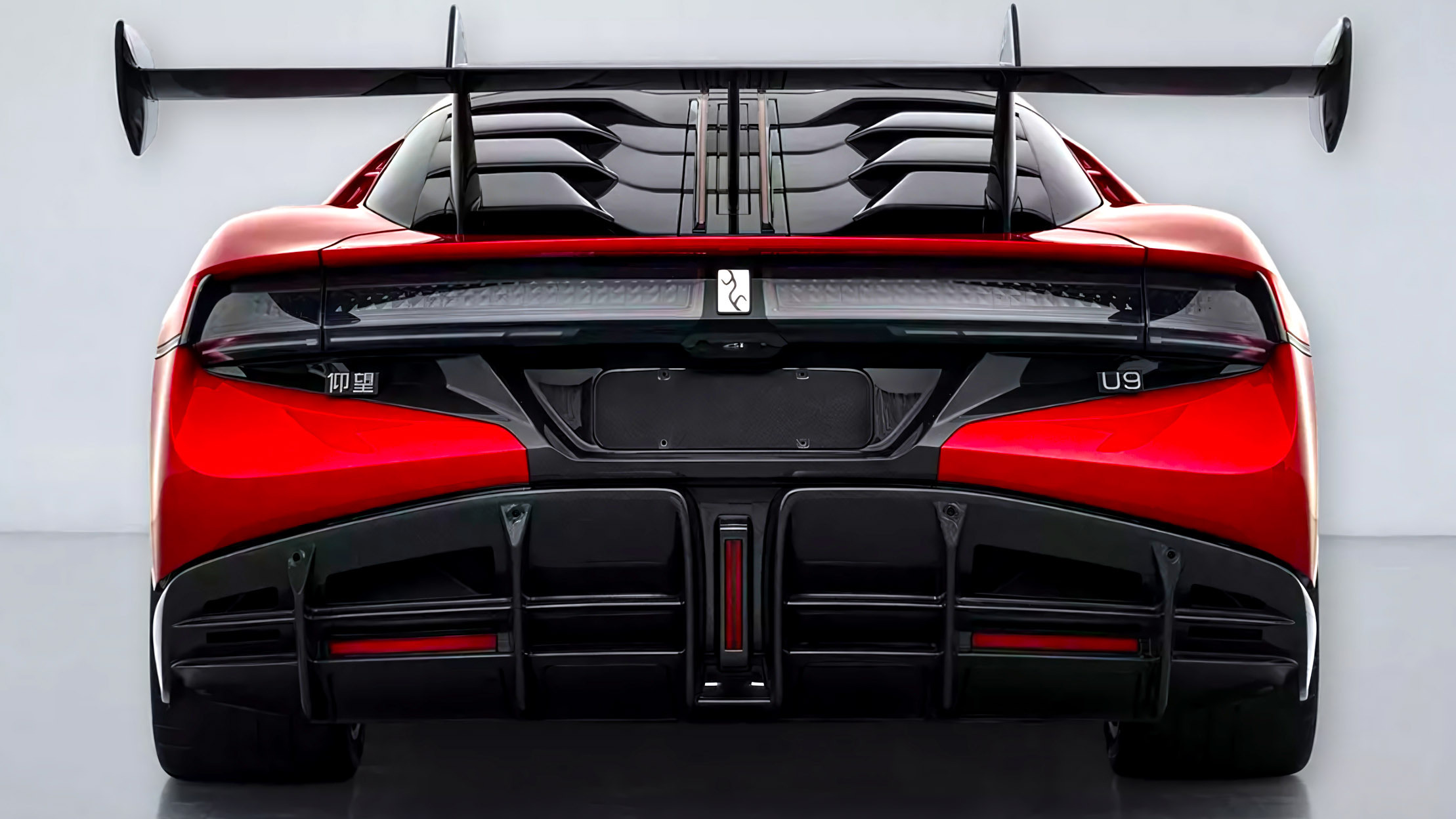
Even volume titan BYD has pivoted its global narrative away from purely utilitarian mobility. Beyond its core electric lineup, the company is using halo nameplates and high-end divisions to showcase astonishing engineering feats—ranging from Denza’s rapid climb up the prestige charts to the viral, four-motor dynamics of the Yangwang line, whose headline-grabbing 'tank steer' capability demonstrates the radical ceiling of bespoke torque vectoring.Even volume titan BYD has pivoted its global narrative away from purely utilitarian mobility. Beyond its core electric lineup, the company is using halo nameplates and high-end divisions to showcase astonishing engineering feats—ranging from Denza’s rapid climb up the prestige charts to the viral, four-motor dynamics of the Yangwang line, whose headline-grabbing 'tank steer' capability demonstrates the radical ceiling of bespoke torque vectoring.
The broader European landscape is feeling the squeeze. As the continent’s EV volume accelerates past the 800,000-vehicle threshold, the domestic incumbents find themselves outflanked not by cheaper steel, but by faster silicon and aggressive software integration. The battle lines for Europe’s luxury market are no longer drawn across leather stitching or heritage crests—they are being dictated by who delivers the most cohesive digital cockpit and chassis intelligence.The broader European landscape is feeling the squeeze. As the continent’s EV volume accelerates past the 800,000-vehicle threshold, the domestic incumbents find themselves outflanked not by cheaper steel, but by faster silicon and aggressive software integration. The battle lines for Europe’s luxury market are no longer drawn across leather stitching or heritage crests—they are being dictated by who delivers the most cohesive digital cockpit and chassis intelligence.
Gallery
"Chinese EV makers are all targeting Europe's EV market, where sales soared nearly 55 percent to about 820,000 vehicles."
Why it matters
The influx of premium Chinese EVs into Europe marks a structural pivot from budget competition to high-margin technical supremacy. By attacking European luxury on software, autonomy, and dynamic tech, Chinese brands are forcing legacy automakers to defend their most profitable domestic turf.
Sources
- 1.
- 2.
- 3.
- 4.CarNewsChina.com - China Auto Newscarnewschina.com
Reported by the Downforce & Divots desk from the sources above.
The clubhouse.
- No replies yet. Be the first.