The $19,000 Reality Check: How China’s Low-Cost Platforms Broke Western EV Economics
With profitable sub-$20,000 architectures offering 400-kilometre range, Chinese automakers are exposing the fundamental cost flaws of legacy electrification.
The transatlantic automotive establishment spent the better part of a decade convincing consumers that a viable electric vehicle required a $50,000 window sticker and a battery pack large enough to power a small suburb. That narrative has officially unraveled. In domestic and expanding export showrooms, a fresh crop of Chinese electric vehicles priced from $19,170 down to roughly $13,000 is delivering a robust 400 kilometres of driving range, dismantling the assumption that mass-market affordability requires deep compromises in battery capability.The transatlantic automotive establishment spent the better part of a decade convincing consumers that a viable electric vehicle required a $50,000 window sticker and a battery pack large enough to power a small suburb. That narrative has officially unraveled. In domestic and expanding export showrooms, a fresh crop of Chinese electric vehicles priced from $19,170 down to roughly $13,000 is delivering a robust 400 kilometres of driving range, dismantling the assumption that mass-market affordability requires deep compromises in battery capability.
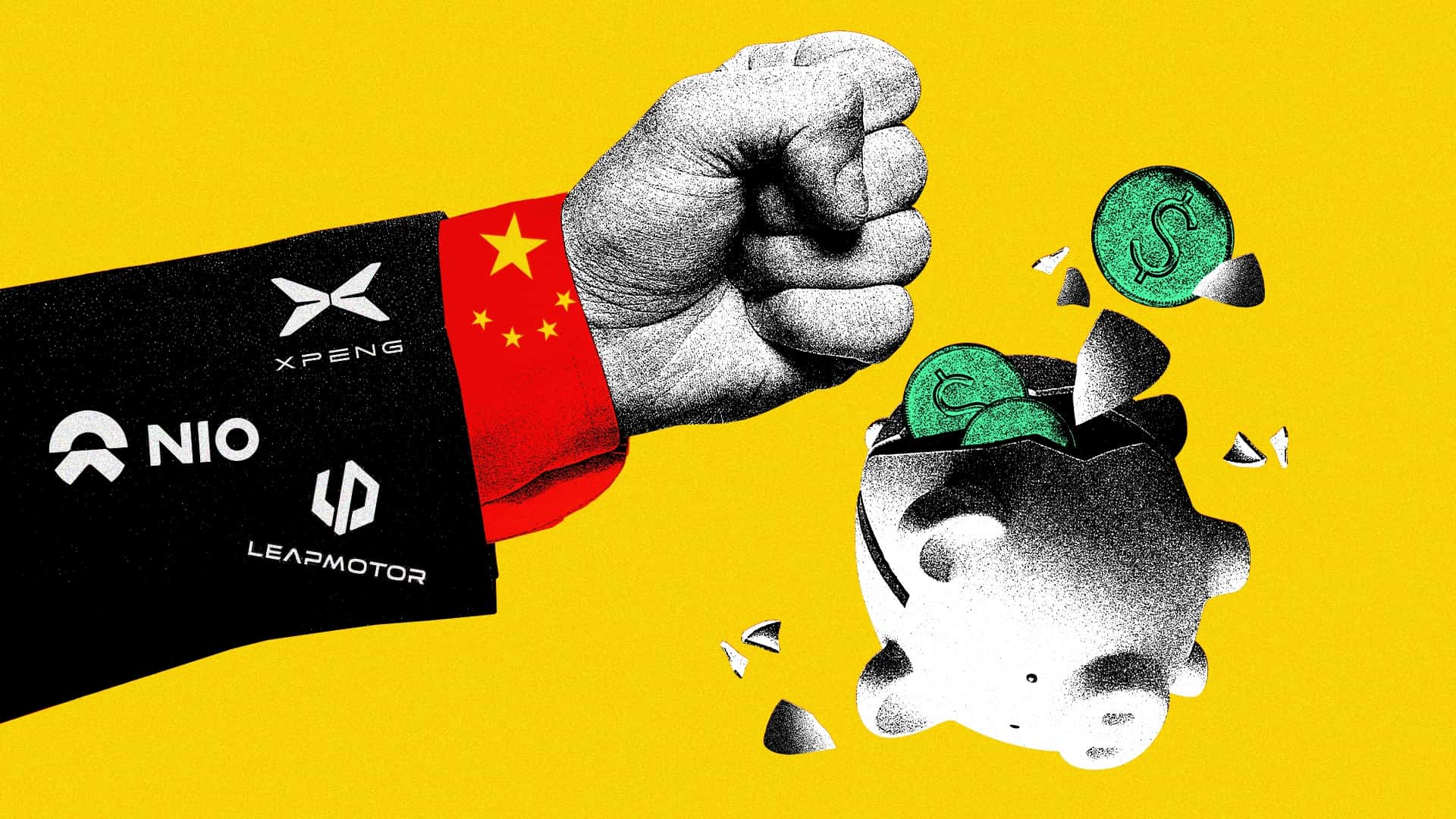
What separates this latest wave from past budget experiments is not merely sticker price, but balance sheet health. While American and European legacy manufacturers continue to bleed cash through their early EV transitions—subsidizing heavy architectures with internal combustion profits—multiple Chinese EV startups and established giants have managed to pull their battery-electric divisions firmly into the black. They are not dumping loss-leaders onto roads; they are manufacturing high-volume compact platforms at a structural profit.What separates this latest wave from past budget experiments is not merely sticker price, but balance sheet health. While American and European legacy manufacturers continue to bleed cash through their early EV transitions—subsidizing heavy architectures with internal combustion profits—multiple Chinese EV startups and established giants have managed to pull their battery-electric divisions firmly into the black. They are not dumping loss-leaders onto roads; they are manufacturing high-volume compact platforms at a structural profit.
This cost advantage stems directly from deep integration across battery chemistry and platform engineering. By refining chemistry formats and squeezing production waste out of every modular component, these platforms achieve 400-kilometre usable ranges on pack sizes that Western manufacturers still consider economically impossible at sub-$20,000 price points. The resulting cost-per-kilometre metrics are reshaping market expectations, particularly in regions where price sensitivity dictates volume.This cost advantage stems directly from deep integration across battery chemistry and platform engineering. By refining chemistry formats and squeezing production waste out of every modular component, these platforms achieve 400-kilometre usable ranges on pack sizes that Western manufacturers still consider economically impossible at sub-$20,000 price points. The resulting cost-per-kilometre metrics are reshaping market expectations, particularly in regions where price sensitivity dictates volume.
The divergence is already creating sharp contrasts in regional sales dynamics. European markets, where consumers prioritize compact dimensions and operating efficiency, are absorbing high-efficiency, cost-competitive electric models at an accelerating pace. In contrast, North American showrooms—weighed down by oversized, high-dollar electric trucks and luxury crossovers—face sluggish demand and stubborn pricing resistance as buyers wait for accessible alternatives that domestic assembly lines have yet to deliver.The divergence is already creating sharp contrasts in regional sales dynamics. European markets, where consumers prioritize compact dimensions and operating efficiency, are absorbing high-efficiency, cost-competitive electric models at an accelerating pace. In contrast, North American showrooms—weighed down by oversized, high-dollar electric trucks and luxury crossovers—face sluggish demand and stubborn pricing resistance as buyers wait for accessible alternatives that domestic assembly lines have yet to deliver.
Western boardrooms have responded with political friction and trade safeguards, but regulatory barricades do little to fix the underlying engineering gap. Until established legacy carmakers can manufacture an efficient 400-kilometre electric platform that turns a profit at real-world consumer budgets, the economic benchmark will continue to be set entirely from the outside.Western boardrooms have responded with political friction and trade safeguards, but regulatory barricades do little to fix the underlying engineering gap. Until established legacy carmakers can manufacture an efficient 400-kilometre electric platform that turns a profit at real-world consumer budgets, the economic benchmark will continue to be set entirely from the outside.
Gallery
"While American and European rivals bleed cash transitioning to EVs, a new crop of Chinese EV startups are in the black."
Why it matters
The emergence of profitable sub-$20,000 EVs offering 400 km of range upends the legacy industry's high-cost electrification strategy. As European adoption accelerates and North America stalls, Western OEMs face severe pressure to fix their battery-cost fundamentals or forfeit the mass market.
Sources
- 1.
- 2.
- 3.
- 4.
Reported by the Downforce & Divots desk from the sources above.
The clubhouse.
- No replies yet. Be the first.