In the Black: How China’s EV Vanguard Turned Tech Lead into Real Profit
While Detroit and Stuttgart hemorrhage cash on battery transitions, Chinese manufacturers are demonstrating that scale, software, and solvent balance sheets can coexist.
The narrative across Western boardrooms has long been that electric vehicles are a compulsory money pit—an onerous compliance exercise funded by the dwindling margins of internal combustion. Yet across the Pacific, that foundational excuse is evaporating. A growing crop of Chinese electric vehicle makers is doing what legacy American and European titans deemed mathematically impossible at this stage of the cycle: turning a net profit while aggressively out-specifying their Western counterparts.The narrative across Western boardrooms has long been that electric vehicles are a compulsory money pit—an onerous compliance exercise funded by the dwindling margins of internal combustion. Yet across the Pacific, that foundational excuse is evaporating. A growing crop of Chinese electric vehicle makers is doing what legacy American and European titans deemed mathematically impossible at this stage of the cycle: turning a net profit while aggressively out-specifying their Western counterparts.
The divergence is stark. While traditional Western automakers repeatedly revise their electrification targets downward and absorb billions in transition losses, Chinese manufacturers have achieved vertical integration that compresses bill-of-materials costs across platforms. From proprietary cell chemistries driving unprecedented range figures in global markets to robust long-term warranty and servicing commitments, the financial architecture behind these vehicles is proving as engineered as the hardware itself.The divergence is stark. While traditional Western automakers repeatedly revise their electrification targets downward and absorb billions in transition losses, Chinese manufacturers have achieved vertical integration that compresses bill-of-materials costs across platforms. From proprietary cell chemistries driving unprecedented range figures in global markets to robust long-term warranty and servicing commitments, the financial architecture behind these vehicles is proving as engineered as the hardware itself.
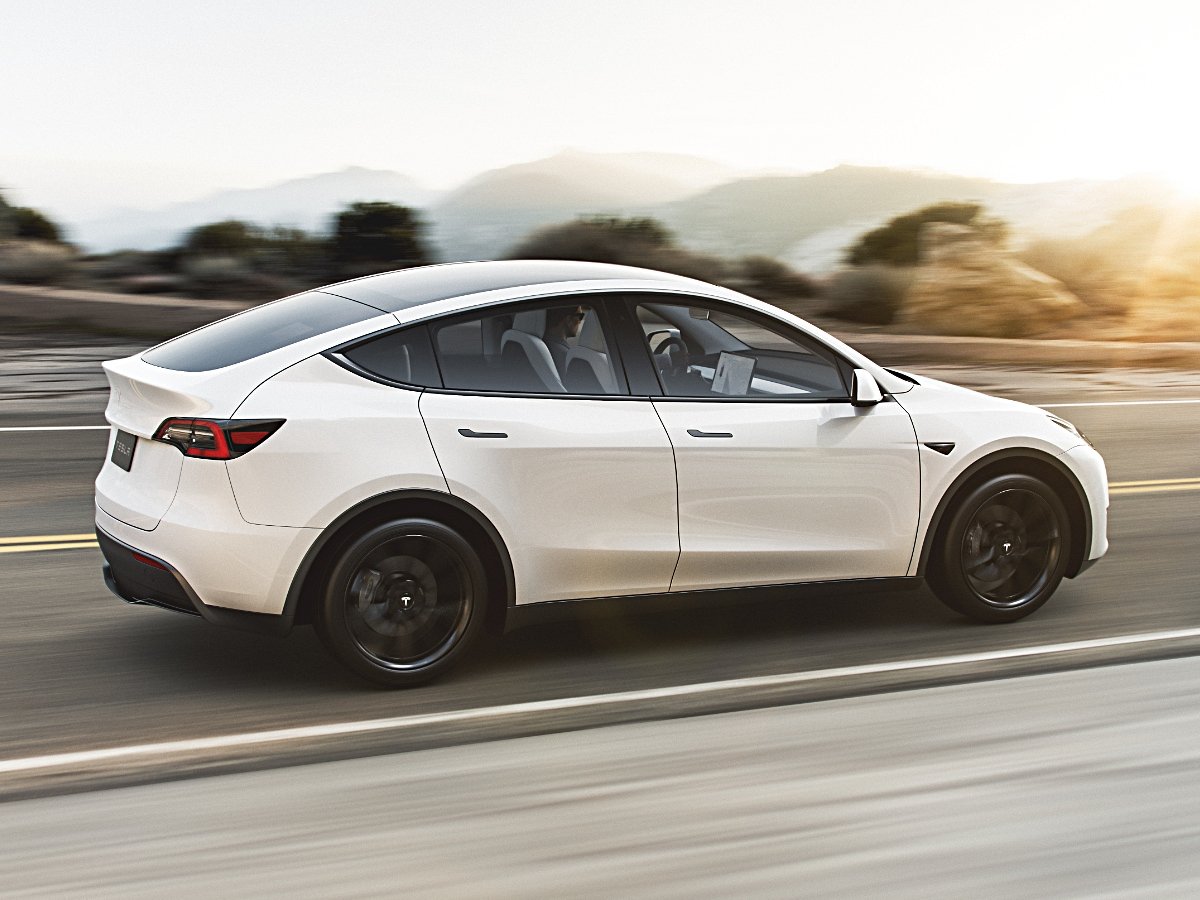
Where Western incumbents still attempt to mount a defence is in proprietary software ecosystems. In direct comparisons against incoming Chinese tech flagships, Tesla continues to leverage its autonomous driving data advantage and straight-line performance benchmarks as the primary moat keeping seasoned domestic buyers loyal. Yet that moat narrows with every hardware iteration leaving Shanghai and Shenzhen.Where Western incumbents still attempt to mount a defence is in proprietary software ecosystems. In direct comparisons against incoming Chinese tech flagships, Tesla continues to leverage its autonomous driving data advantage and straight-line performance benchmarks as the primary moat keeping seasoned domestic buyers loyal. Yet that moat narrows with every hardware iteration leaving Shanghai and Shenzhen.
The operational discipline underpinning this shift is shaking the market far beyond showroom floor pricing. By pairing lean domestic manufacturing bases with rapid development cycles, Chinese builders have effectively bypassed the prolonged R&D amortization periods that strangle legacy programs. They are not merely fielding competitive vehicles on paper; they are financing their own global expansion without leaning on state subsidies or traditional credit lines to plug operating deficits.The operational discipline underpinning this shift is shaking the market far beyond showroom floor pricing. By pairing lean domestic manufacturing bases with rapid development cycles, Chinese builders have effectively bypassed the prolonged R&D amortization periods that strangle legacy programs. They are not merely fielding competitive vehicles on paper; they are financing their own global expansion without leaning on state subsidies or traditional credit lines to plug operating deficits.
For Western automakers still attempting to protect ICE margins while half-heartedly funding battery skunkworks, the window for excuses has shut. The challenge coming out of the East is no longer a speculative threat of cheap imports; it is a profitable, technologically mature juggernaut executing on every fundamental metric that Detroit and Wolfsburg once considered their birthright.For Western automakers still attempting to protect ICE margins while half-heartedly funding battery skunkworks, the window for excuses has shut. The challenge coming out of the East is no longer a speculative threat of cheap imports; it is a profitable, technologically mature juggernaut executing on every fundamental metric that Detroit and Wolfsburg once considered their birthright.
Gallery
"While American and European rivals bleed cash transitioning to EVs, a new crop of Chinese EV startups are in the black."
Why it matters
The transition to electric powertrains was supposed to be a slow war of attrition that favored legacy capital. Instead, Chinese automakers achieving net profitability fundamentally rewrites the global automotive hierarchy and accelerates Western margin compression.
Sources
- 1.
- 2.
- 3.The 10 Longest Range Electric Cars in the UK (2026) | loveelectricloveelectric.cars
- 4.
Reported by the Downforce & Divots desk from the sources above.
The clubhouse.
- No replies yet. Be the first.