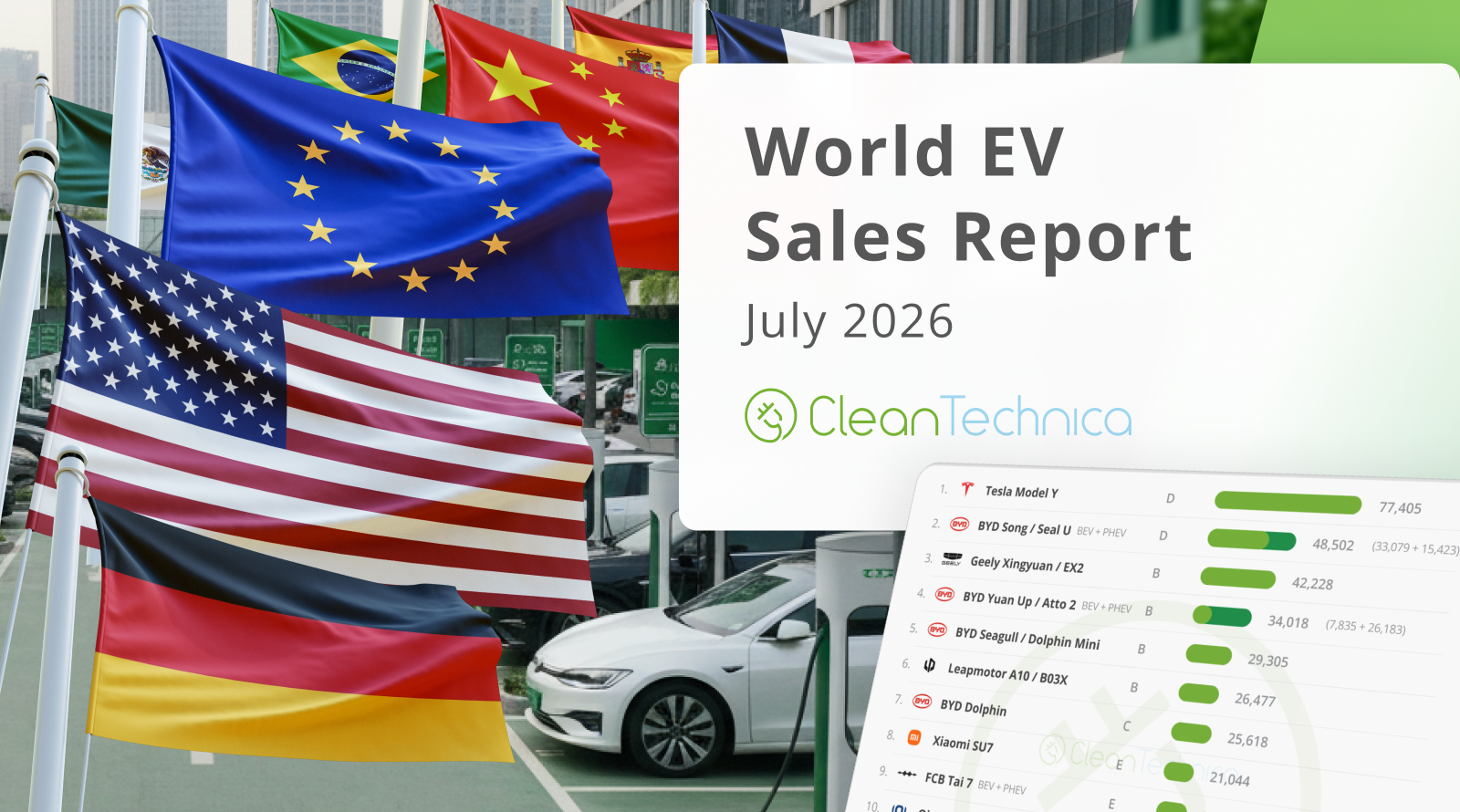
The 15.4% Crown: How BYD Locked Down the Global BEV Leaderboard Through July
Fresh global sales data through July 2026 cements BYD's battery-electric dominance at 15.4% worldwide share, as European adoption booms and North America retreats.
The global automotive hierarchy through the first seven months of 2026 is officially etched in hard data, and the headline is unequivocal: BYD has solidified its grip on the worldwide battery-electric vehicle crown, capturing a commanding 15.4 percent share of the global BEV market between January and July. While Tesla mounts a fierce Q3 volume counteroffensive to protect its long-held turf, the broader battle lines show Chinese manufacturing scale outstripping Western legacy rivals in nearly every major international metric.
The Jan–July scorecard arrives amidst a profound geographic fracture in electric vehicle adoption. Across European markets, EV sales are booming, buoyed by expanding charging networks, competitive product pricing, and tightening regulatory mandates. Across the Atlantic, however, North American EV sales have plunged, weighed down by patchy infrastructure, fluctuating policy incentives, and consumer hesitation over premium sticker prices.The Jan–July scorecard arrives amidst a profound geographic fracture in electric vehicle adoption. Across European markets, EV sales are booming, buoyed by expanding charging networks, competitive product pricing, and tightening regulatory mandates. Across the Atlantic, however, North American EV sales have plunged, weighed down by patchy infrastructure, fluctuating policy incentives, and consumer hesitation over premium sticker prices.
That geographic disparity plays directly into the hands of Chinese automakers who have systematically diversified beyond their domestic base. Where traditional American and European legacy manufacturers have throttled back capital expenditure and extended hybrid lifespans to weather North American headwinds, Chinese original equipment manufacturers have pushed aggressively into Europe and emerging markets, leveraging unified supply chains and high-volume battery production.That geographic disparity plays directly into the hands of Chinese automakers who have systematically diversified beyond their domestic base. Where traditional American and European legacy manufacturers have throttled back capital expenditure and extended hybrid lifespans to weather North American headwinds, Chinese original equipment manufacturers have pushed aggressively into Europe and emerging markets, leveraging unified supply chains and high-volume battery production.
Crucially, this volume expansion is no longer being subsidised by financial attrition. As reporting from InsideEVs highlights, while American and European legacy players continue to bleed substantial cash navigating their prolonged electric transitions, a growing cohort of Chinese electric vehicle startups and established giants have firmly crossed over into the black, generating real operating profits from their high-tech nameplates.Crucially, this volume expansion is no longer being subsidised by financial attrition. As reporting from InsideEVs highlights, while American and European legacy players continue to bleed substantial cash navigating their prolonged electric transitions, a growing cohort of Chinese electric vehicle startups and established giants have firmly crossed over into the black, generating real operating profits from their high-tech nameplates.
With Tesla fighting back on the strength of late-summer production ramp-ups and pricing recalibrations, the remaining five months of 2026 will test whether legacy Western manufacturers can stem market share losses in Europe. But with BYD sitting on 15.4 percent of global pure-electric registrations and balancing healthy balance sheets against aggressive international shipments, the center of gravity in the automotive industry has decisively shifted.With Tesla fighting back on the strength of late-summer production ramp-ups and pricing recalibrations, the remaining five months of 2026 will test whether legacy Western manufacturers can stem market share losses in Europe. But with BYD sitting on 15.4 percent of global pure-electric registrations and balancing healthy balance sheets against aggressive international shipments, the center of gravity in the automotive industry has decisively shifted.
Gallery
"While American and European rivals bleed cash transitioning to EVs, a new crop of Chinese EV startups are in the black."
Why it matters
Global sales rankings through July 2026 prove that Chinese EV dominance has moved from domestic market capture to undisputed international leadership. With BYD commanding 15.4 percent of global BEV volume and Chinese competitors generating genuine profits, Western automakers face an existential scale disadvantage in expanding markets like Europe.
Sources
- 1.
- 2.
- 3.
- 4.
Reported by the Downforce & Divots desk from the sources above.
The clubhouse.
- No replies yet. Be the first.