The 1 A.M. Dinner: Inside Formula 1’s Nocturnal Singapore Illusion
To conquer the floodlights and equatorial heat of Marina Bay, drivers abandon local time entirely in favor of an upside-down European rhythm.
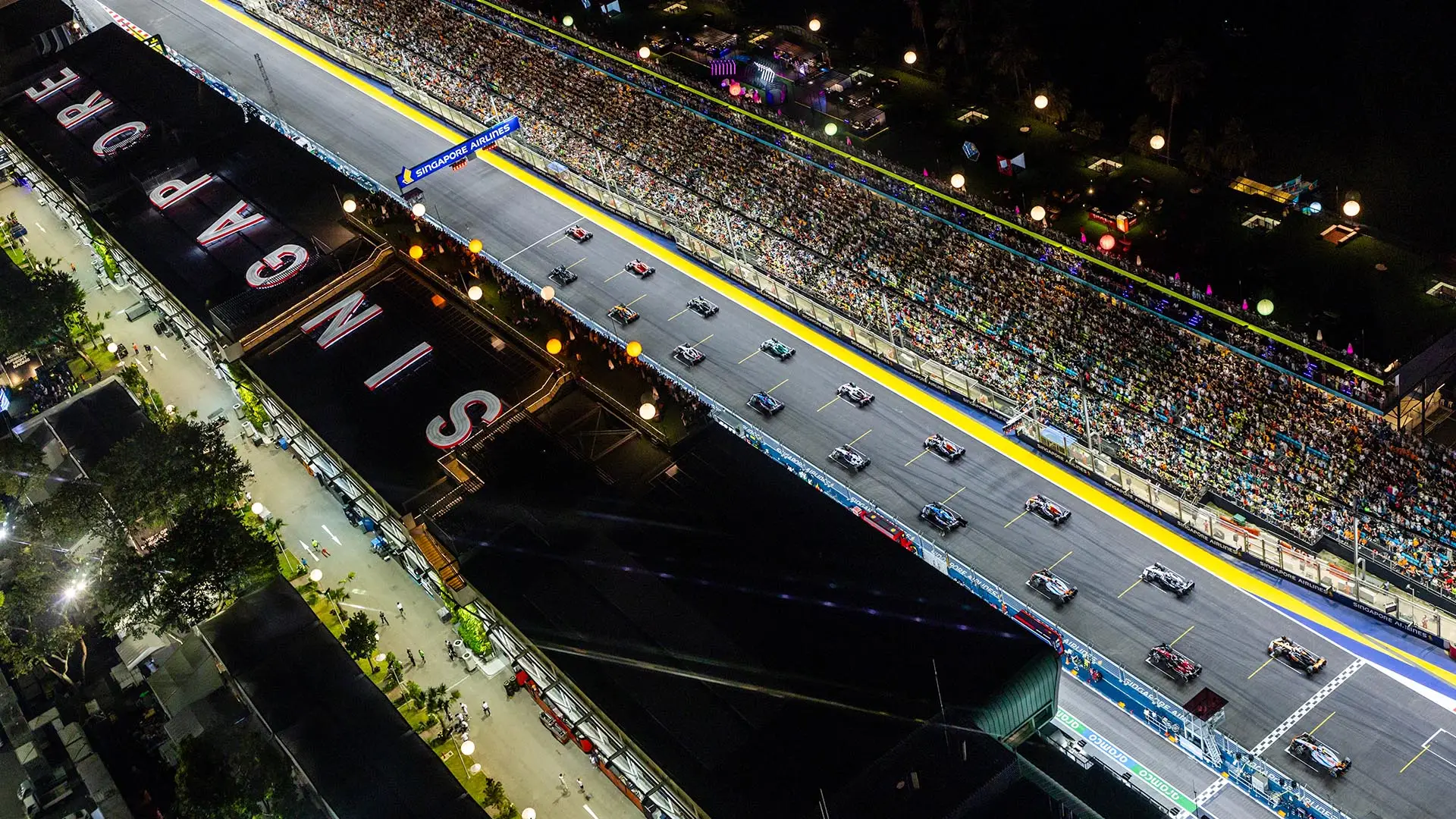
The Singapore Grand Prix has long held a reputation as the most physically grueling round on the global calendar, but the real battle begins hours before the engines fire under the Marina Bay floodlights. While the surrounding city-state goes about its standard morning business, Formula 1 drivers inhabit an artificial, blackout-curtained twilight, orchestrating one of the most unnatural biological routines in elite sport.
Rather than forcing their bodies through the grueling adaptation of a six- or seven-hour time zone shift to Southeast Asia, teams opt for a radical logistical compromise: they simply refuse to acknowledge local time. Drivers, engineers, and mechanics stay locked onto a European daylight schedule, flipping day and night on its head to align their peak cognitive performance with the late-evening sessions on track.Rather than forcing their bodies through the grueling adaptation of a six- or seven-hour time zone shift to Southeast Asia, teams opt for a radical logistical compromise: they simply refuse to acknowledge local time. Drivers, engineers, and mechanics stay locked onto a European daylight schedule, flipping day and night on its head to align their peak cognitive performance with the late-evening sessions on track.
The daily itinerary looks completely inverted to the outside world. Drivers routinely wake up in the middle of the afternoon, taking breakfast as the local sun begins its descent. First practice sessions and qualifying roll out under heavy artificial illumination, pushing team debriefs, physiotherapy sessions, and technical meetings deep into the humid tropical night, followed by 1:00 a.m. dinners in hotel dining rooms staffed by bleary-eyed hospitality crews.The daily itinerary looks completely inverted to the outside world. Drivers routinely wake up in the middle of the afternoon, taking breakfast as the local sun begins its descent. First practice sessions and qualifying roll out under heavy artificial illumination, pushing team debriefs, physiotherapy sessions, and technical meetings deep into the humid tropical night, followed by 1:00 a.m. dinners in hotel dining rooms staffed by bleary-eyed hospitality crews.
Maintaining that nocturnal discipline requires militant environmental control. Hotel rooms are sealed with industrial blackout blinds and taped seams to block any stray sliver of equatorial daylight that could reset a driver’s circadian rhythm. Leaving the hotel before dusk is strictly discouraged, ensuring the brain registers the artificial glare of the Marina Bay street circuit as high noon.Maintaining that nocturnal discipline requires militant environmental control. Hotel rooms are sealed with industrial blackout blinds and taped seams to block any stray sliver of equatorial daylight that could reset a driver’s circadian rhythm. Leaving the hotel before dusk is strictly discouraged, ensuring the brain registers the artificial glare of the Marina Bay street circuit as high noon.
In an era where microscopic tenths of a second determine pole position, managing the human body’s internal clock has evolved into as critical a performance variable as aerodynamic downforce or tire degradation. For one surreal week each season, Formula 1 proves that conquering the grid requires not just mastering high-speed machinery, but outwitting the sun itself.In an era where microscopic tenths of a second determine pole position, managing the human body’s internal clock has evolved into as critical a performance variable as aerodynamic downforce or tire degradation. For one surreal week each season, Formula 1 proves that conquering the grid requires not just mastering high-speed machinery, but outwitting the sun itself.
Gallery
"Drivers wake up in the afternoon, eat dinner at 1 a.m., and live entirely on European time under Singapore’s floodlights."
Why it matters
Circadian rhythm manipulation has become an essential performance metric in modern Formula 1. By staying on European time during night races, drivers avoid cognitive fatigue and maintain peak physical sharpness under extreme conditions.
Sources
- 1.How McLaren Uses The IndyCar Offseason To Get Down To Businesssports.yahoo.com
- 2.
- 3.Porsche Carrera Cup North Americaporschecarreracup.us
- 4.
Reported by the Downforce & Divots desk from the sources above.
The clubhouse.
- No replies yet. Be the first.