The Ghost in the Grid: Why Verstappen Is Demanding Answers on F1’s Software Stalls
After glitches in starting software left drivers idling on the grid, the reigning champion insists Formula 1 cannot afford digital amateurism.
Modern Formula 1 prides itself on being an engineering discipline where tolerances are measured in microns and strategy is calculated in milliseconds. Yet nothing punctures the sport’s aura of high-tech infallibility quite like twenty 1,000-horsepower prototypes sitting motionless on the tarmac while race control wrestles with an unruly computer script. Following a race start disrupted by software failures, Max Verstappen made it clear that patience inside the cockpit has run out.
The delay, triggered by systemic software anomalies in the start procedure systems, brought proceedings to an awkward standstill right as adrenaline peaked. For drivers strapped tightly into carbon-fibre tubs in sweltering conditions, an aborted or lagging sequence is far more than an administrative hiccup. Tyres bleed vital temperature, brake discs cool unevenly, and clutch temperatures climb dangerously close to thermal limits during repeated resets.The delay, triggered by systemic software anomalies in the start procedure systems, brought proceedings to an awkward standstill right as adrenaline peaked. For drivers strapped tightly into carbon-fibre tubs in sweltering conditions, an aborted or lagging sequence is far more than an administrative hiccup. Tyres bleed vital temperature, brake discs cool unevenly, and clutch temperatures climb dangerously close to thermal limits during repeated resets.
Verstappen’s post-incident assessment was blunt: the championship needs an immediate "lesson learned" from the breakdown. The Red Bull talisman has never suffered technological excuses lightly, particularly when peripheral infrastructure threatens to compromise the racing product itself. When operational glitches dictate the rhythm of a Grand Prix start, the drivers—who carry all the physical and tactical risk into Turn 1—are the ones left managing the fallout.Verstappen’s post-incident assessment was blunt: the championship needs an immediate "lesson learned" from the breakdown. The Red Bull talisman has never suffered technological excuses lightly, particularly when peripheral infrastructure threatens to compromise the racing product itself. When operational glitches dictate the rhythm of a Grand Prix start, the drivers—who carry all the physical and tactical risk into Turn 1—are the ones left managing the fallout.
The episode highlights an uncomfortable paradox at motorsport’s pinnacle. As the governing body and commercial rights holders layer ever more complex telemetry, sensor arrays, and automated starting protocols onto the weekend, the points of failure multiply. A system designed to ensure absolute regulatory precision ends up introducing the very chaos it was engineered to eliminate.The episode highlights an uncomfortable paradox at motorsport’s pinnacle. As the governing body and commercial rights holders layer ever more complex telemetry, sensor arrays, and automated starting protocols onto the weekend, the points of failure multiply. A system designed to ensure absolute regulatory precision ends up introducing the very chaos it was engineered to eliminate.
While engineers in the garage can model aerodynamic wake and battery harvesting to four decimal places, the sport remains vulnerable to standard IT fragility. If Formula 1 wants to maintain its status as the world’s foremost technical proving ground, ensuring the green lights illuminate without a software crash is the bare minimum the grid expects.While engineers in the garage can model aerodynamic wake and battery harvesting to four decimal places, the sport remains vulnerable to standard IT fragility. If Formula 1 wants to maintain its status as the world’s foremost technical proving ground, ensuring the green lights illuminate without a software crash is the bare minimum the grid expects.
Gallery
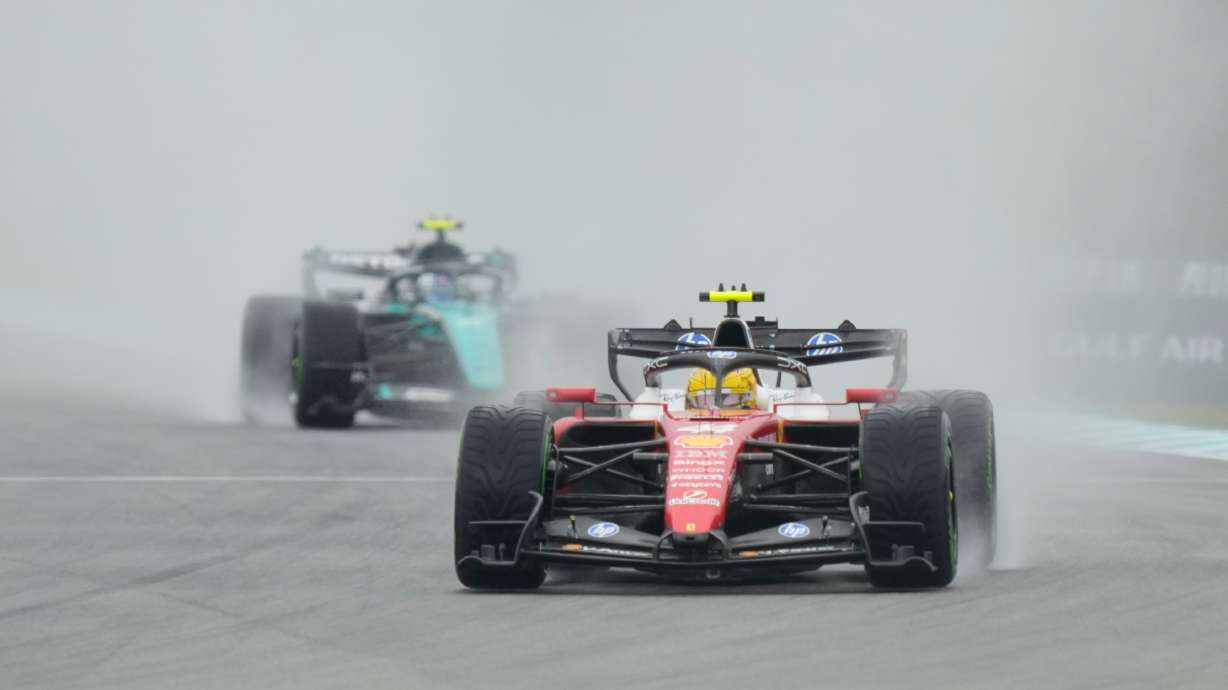
"Verstappen wants a 'lesson learned' after software issues in F1 cars delay race start."
Why it matters
Race start disruptions caused by automated software glitches compromise tyre preparation, clutch life, and driver safety. Verstappen's call for accountability places direct pressure on F1 officials to harden digital infrastructure before it decides a championship.
Sources
- 1.
- 2.
- 3.Porsche Carrera Cup North Americaporschecarreracup.us
- 4.
Reported by the Downforce & Divots desk from the sources above.
The clubhouse.
- No replies yet. Be the first.