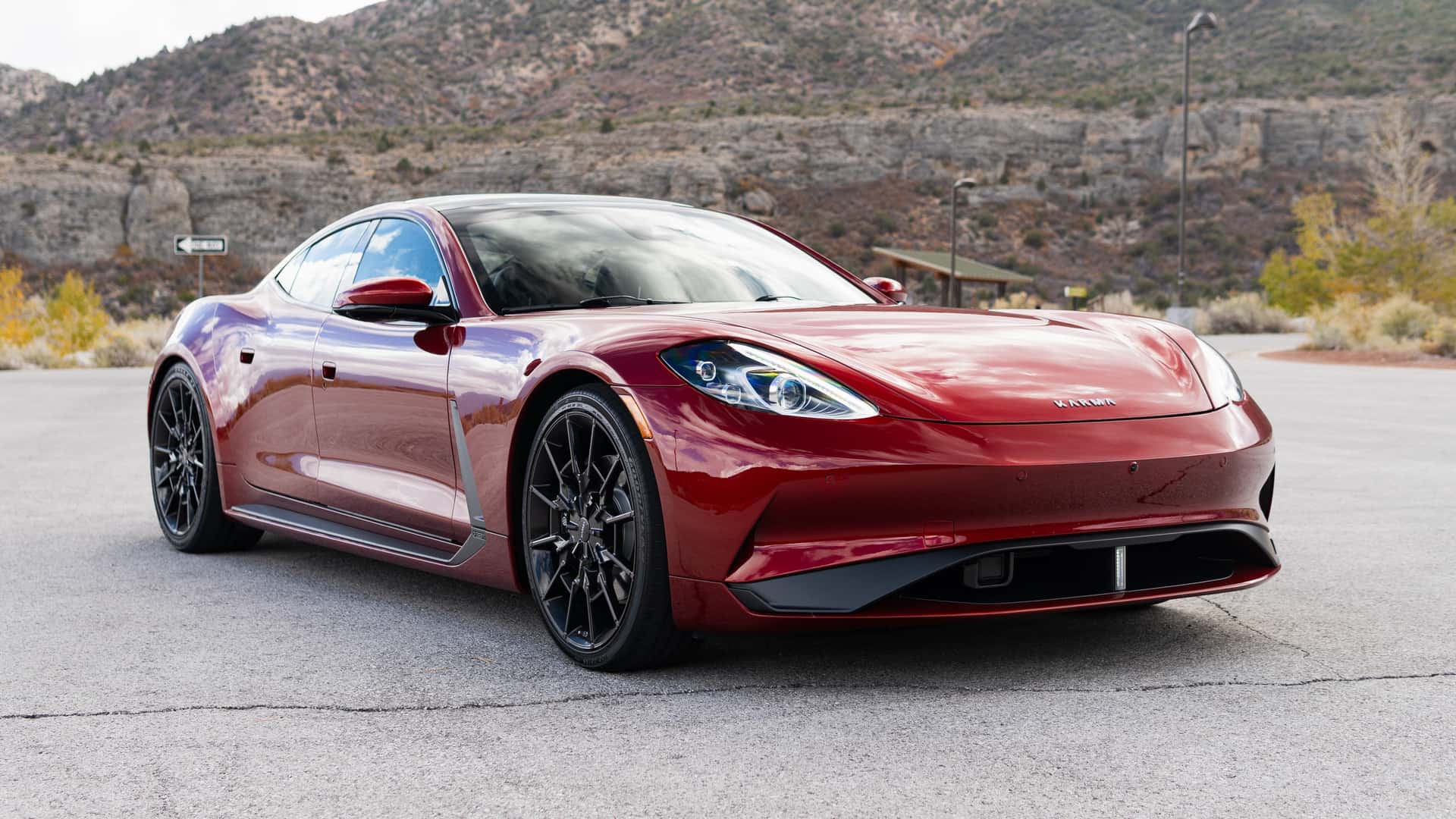
Old Bones, Fresh Paint: Why Karma’s Gyesera Can’t Escape Its Past
A decade after the original Fisker Karma, the newly badged Gyesera proves that reskinning obsolete architecture is no substitute for clean-sheet EV engineering.
In the fast-moving theatre of modern electromobility, ten years is practically a geological epoch. Yet rolling out under fresh showroom lights this season is the Karma Gyesera—billed as the brand’s first ostensibly new model in over a decade. But strip away the sculpted exterior updates and aggressive front fascia, and you run straight into a glaring technical reality: underneath the bodywork sits the foundational architecture of the original Fisker Karma.In the fast-moving theatre of modern electromobility, ten years is practically a geological epoch. Yet rolling out under fresh showroom lights this season is the Karma Gyesera—billed as the brand’s first ostensibly new model in over a decade. But strip away the sculpted exterior updates and aggressive front fascia, and you run straight into a glaring technical reality: underneath the bodywork sits the foundational architecture of the original Fisker Karma.
Boutique carmakers have long relied on platform longevity to stretch development capital, but the electric transition is merciless to legacy bones. When the original Karma debuted, electric propulsion was a novelty defined by compromised packaging and heavy battery packaging. Today, the game is dictated by integrated structural packs, ultra-dense chemistry, and bespoke software stacks. By retaining its ancestor's structural core, the Gyesera inherits packaging compromises that modern clean-sheet skateboard platforms engineered out years ago.Boutique carmakers have long relied on platform longevity to stretch development capital, but the electric transition is merciless to legacy bones. When the original Karma debuted, electric propulsion was a novelty defined by compromised packaging and heavy battery packaging. Today, the game is dictated by integrated structural packs, ultra-dense chemistry, and bespoke software stacks. By retaining its ancestor's structural core, the Gyesera inherits packaging compromises that modern clean-sheet skateboard platforms engineered out years ago.
The contrast becomes even sharper against the broader EV landscape. While bespoke startups at shows like SEMA demonstrate radical packaging versatility—such as Hoffman transforming production Tesla platforms into everything from 11-seat minibuses to bespoke pickups—and mainstream players push beyond the 350-mile threshold, Karma is asking buyers to accept yesterday’s chassis dynamics dressed in contemporary carbon and leather.The contrast becomes even sharper against the broader EV landscape. While bespoke startups at shows like SEMA demonstrate radical packaging versatility—such as Hoffman transforming production Tesla platforms into everything from 11-seat minibuses to bespoke pickups—and mainstream players push beyond the 350-mile threshold, Karma is asking buyers to accept yesterday’s chassis dynamics dressed in contemporary carbon and leather.
There is an undeniable irony in the luxury EV sector’s obsession with specifications. According to Department of Transportation data, the average American motorist logs just 29 miles a day, meaning that even a compromised electric grand tourer theoretically covers daily duties with ease. However, six-figure luxury motoring has never been about bare minimum utility; it is about effortless superiority, structural rigidity, modern charging curves, and digital integration.There is an undeniable irony in the luxury EV sector’s obsession with specifications. According to Department of Transportation data, the average American motorist logs just 29 miles a day, meaning that even a compromised electric grand tourer theoretically covers daily duties with ease. However, six-figure luxury motoring has never been about bare minimum utility; it is about effortless superiority, structural rigidity, modern charging curves, and digital integration.
The Gyesera stands as a stark lesson in automotive inertia. While European legacy marques are scrambling to partner with cutting-edge tech houses and pure-play EV pioneers are chasing structural cell-to-chassis integration, recycling a decade-old skeleton under a new moniker feels less like heritage and more like an engineering cul-de-sac.The Gyesera stands as a stark lesson in automotive inertia. While European legacy marques are scrambling to partner with cutting-edge tech houses and pure-play EV pioneers are chasing structural cell-to-chassis integration, recycling a decade-old skeleton under a new moniker feels less like heritage and more like an engineering cul-de-sac.
Gallery
"The Gyesera may have a new face, but it’s still based on the original Fisker Karma. That makes it compromised."
Why it matters
As electric vehicle platforms mature rapidly, boutique luxury marques cannot rely on cosmetic facelifts over decade-old structural foundations. The Gyesera highlights how fast skateboard architecture has evolved—and how glaring the compromises are when engineering stands still.
Sources
- 1.
- 2.
- 3.
- 4.Asleep At the Wheel: Europe's Cars and the Electric Revolutiongreeneuropeanjournal.eu
Reported by the Downforce & Divots desk from the sources above.
The clubhouse.
- No replies yet. Be the first.