The Weight of Usability: Can the Lotus Emira Survive the Ghost of the Elise?
Trading raw minimalism for cabin comfort and daily refinement, Hethel’s supercharged V6 manual faces the ultimate canyon trial.
For decades, the gospel according to Hethel was written in aluminum extrusions, exposed shift linkages, and an almost monastic refusal to install sound deadening. To drive a 2006 Lotus Elise was to accept a physical pact: you received telepathic steering and unfiltered chassis feedback in exchange for ingress gymnastics and zero acoustic insulation. The arrival of the Lotus Emira marked a deliberate break from that ascetic past, aiming to preserve driver involvement while introducing long-overdue refinement, build quality, and genuine daily livability.For decades, the gospel according to Hethel was written in aluminum extrusions, exposed shift linkages, and an almost monastic refusal to install sound deadening. To drive a 2006 Lotus Elise was to accept a physical pact: you received telepathic steering and unfiltered chassis feedback in exchange for ingress gymnastics and zero acoustic insulation. The arrival of the Lotus Emira marked a deliberate break from that ascetic past, aiming to preserve driver involvement while introducing long-overdue refinement, build quality, and genuine daily livability.
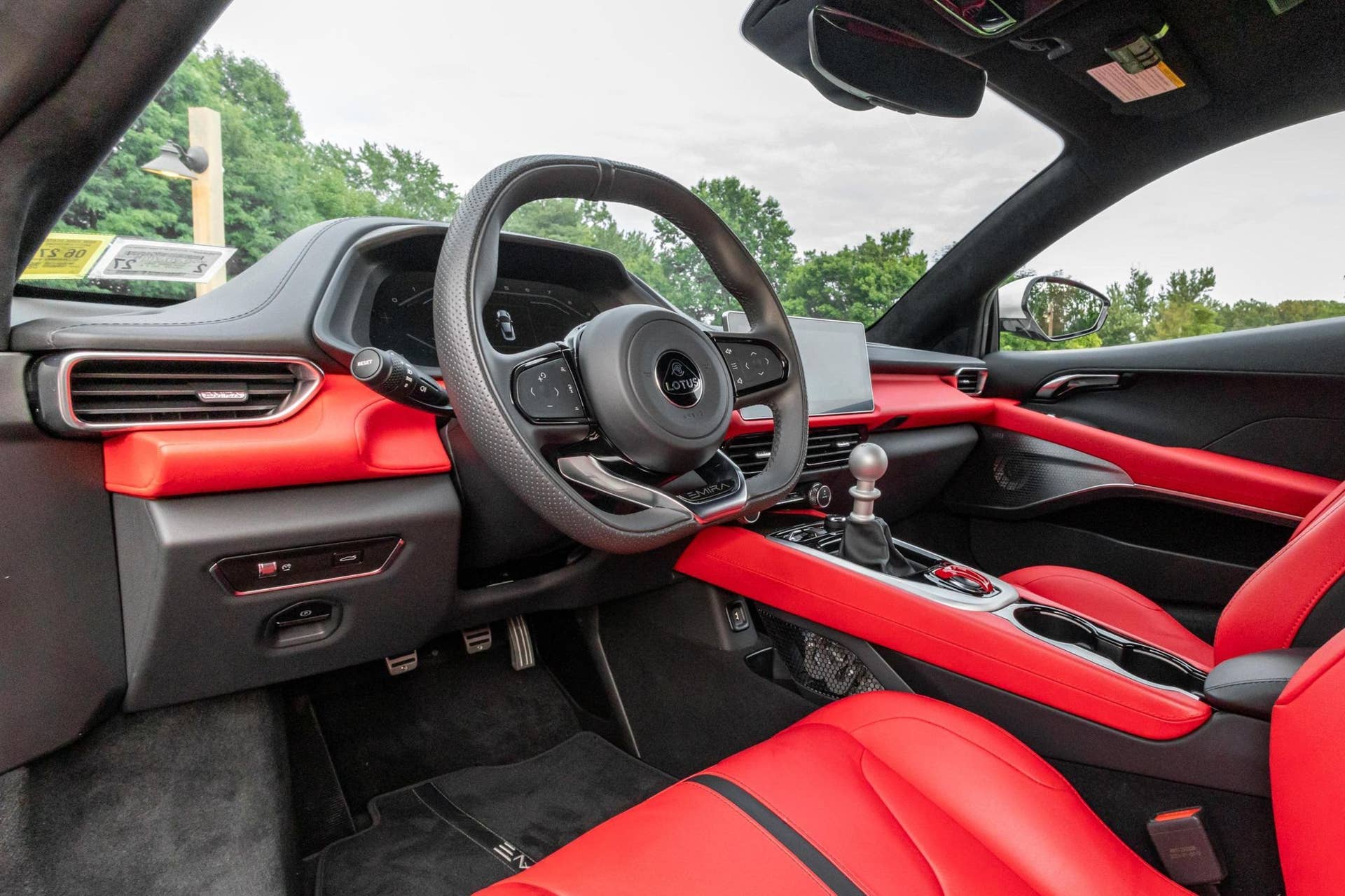
Evaluating the Emira V6 manual against the baseline of an analog icon like the Elise exposes the fundamental tension at the heart of modern sports car engineering. Fitted with a supercharged V6 mated to a three-pedal manual gearbox, the Emira presents a far heavier, significantly more sculpted profile than its predecessor. From the driver’s seat, the immediate takeaway is how dramatically comfortable and civilized the cabin environment has become compared to the bare-tub spartanism of previous generations.Evaluating the Emira V6 manual against the baseline of an analog icon like the Elise exposes the fundamental tension at the heart of modern sports car engineering. Fitted with a supercharged V6 mated to a three-pedal manual gearbox, the Emira presents a far heavier, significantly more sculpted profile than its predecessor. From the driver’s seat, the immediate takeaway is how dramatically comfortable and civilized the cabin environment has become compared to the bare-tub spartanism of previous generations.
Point the nose toward demanding canyon tarmac, however, and the core questions shift from interior packaging to dynamic fidelity. Lotus built its reputation on class-leading steering feel and suspension tuning that breathes with the road surface rather than fighting it. In the Emira, the manual transmission and supercharged soundtrack deliver immediate mechanical theater, but the additional mass requires the chassis and damping to work through a distinctly different dynamic envelope.Point the nose toward demanding canyon tarmac, however, and the core questions shift from interior packaging to dynamic fidelity. Lotus built its reputation on class-leading steering feel and suspension tuning that breathes with the road surface rather than fighting it. In the Emira, the manual transmission and supercharged soundtrack deliver immediate mechanical theater, but the additional mass requires the chassis and damping to work through a distinctly different dynamic envelope.
Pushing the car on technical mountain roads reveals whether the Emira’s newfound polish dilutes the brand’s historic magic. While purists might mourn the featherweight agility of an Elise, the Emira’s mission is broader: delivering tactile engagement, hydraulic steering feedback, and composed handling without punishing the driver on the highway commute home. Hethel’s final combustion-era machine proves that usability does not have to mean the death of genuine driving character.Pushing the car on technical mountain roads reveals whether the Emira’s newfound polish dilutes the brand’s historic magic. While purists might mourn the featherweight agility of an Elise, the Emira’s mission is broader: delivering tactile engagement, hydraulic steering feedback, and composed handling without punishing the driver on the highway commute home. Hethel’s final combustion-era machine proves that usability does not have to mean the death of genuine driving character.
Gallery
"The Emira represents a very different philosophy from the Elise. It’s heavier, more refined, and dramatically more comfortable."
Why it matters
The Emira serves as Hethel’s final internal-combustion sports car, balancing modern GT usability against the uncompromising lightweight heritage that defined the brand. Its reception determines whether traditional manual sports cars can thrive when forced to meet modern refinement standards.
Sources
- 1.
- 2.
- 3.Did Lotus Ruin the Emira? - YouTubeyoutube.com
- 4.
Reported by the Downforce & Divots desk from the sources above.
The clubhouse.
- No replies yet. Be the first.