The Waning Monarchy of Austin: Can Tesla Survive the Shenzhen Siege?
As Chinese giants like BYD weaponize their supply chains, Elon Musk’s long-held pole position is being challenged by a ruthless new 18-month product cycle.
For a decade, the narrative of the electric vehicle market was a monologue written by Tesla. The Austin-based firm didn't just set the pace; it owned the track. However, the latest market intelligence suggests that Elon Musk’s company is increasingly at risk of losing its pole position. What was once a comfortable lead has transformed into a high-speed defensive maneuver against both legacy titans and a new breed of nimble Chinese challengers.For a decade, the narrative of the electric vehicle market was a monologue written by Tesla. The Austin-based firm didn't just set the pace; it owned the track. However, the latest market intelligence suggests that Elon Musk’s company is increasingly at risk of losing its pole position. What was once a comfortable lead has transformed into a high-speed defensive maneuver against both legacy titans and a new breed of nimble Chinese challengers.
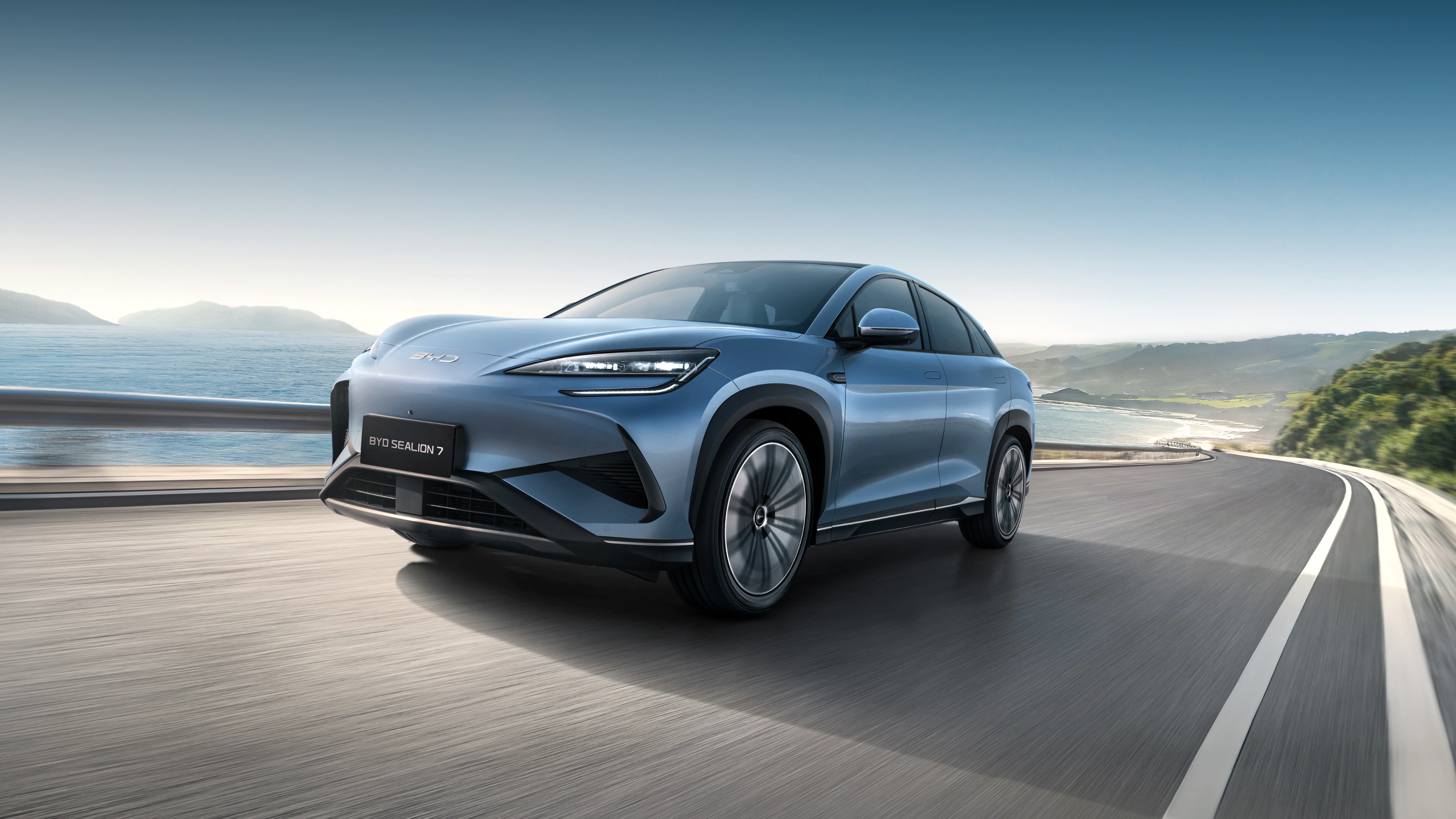
The most immediate threat comes from the 'Shenzhen Blitz,' a phenomenon where Chinese manufacturers are redrawing the global product cycle. While Western firms typically spend years on research and development, Shenzhen is delivering new models in as little as 18 months. This Darwinian survival of the fittest has birthed contenders like the BYD Sealion 7, which utilizes the 82.56 kWh Blade Battery to compete directly with the industry-standard Tesla Model Y.
The technical disparity is narrowing, yet the battle lines are drawn in the data. While the Model Y still holds a theoretical edge in efficiency with a 533 km WLTP range against the Sealion 7’s 456 km, the sheer speed of Chinese iteration is closing the gap. This isn't just about software anymore; it's a fundamental siege of the '600-kilometre club,' where the psychology of range anxiety is being dismantled by aggressive battery hardware.The technical disparity is narrowing, yet the battle lines are drawn in the data. While the Model Y still holds a theoretical edge in efficiency with a 533 km WLTP range against the Sealion 7’s 456 km, the sheer speed of Chinese iteration is closing the gap. This isn't just about software anymore; it's a fundamental siege of the '600-kilometre club,' where the psychology of range anxiety is being dismantled by aggressive battery hardware.
Crucial to this shift is the dominance of CATL. As the world’s largest battery manufacturer, CATL is effectively the arms dealer to the entire EV revolution, powering everything from local Chinese startups to premium European brands like BMW. By controlling the entire supply chain—from the depths of lithium mines to the final cell assembly—Chinese firms have secured a cost advantage that Western legacy automakers, despite their deep pockets, are struggling to match.Crucial to this shift is the dominance of CATL. As the world’s largest battery manufacturer, CATL is effectively the arms dealer to the entire EV revolution, powering everything from local Chinese startups to premium European brands like BMW. By controlling the entire supply chain—from the depths of lithium mines to the final cell assembly—Chinese firms have secured a cost advantage that Western legacy automakers, despite their deep pockets, are struggling to match.
This geopolitical and industrial shift represents more than just a change in market share; it is a total disruption of automotive hegemony. Tesla, which has long been synonymous with EVs in the public mind, now faces a multi-front war. It must fend off the manufacturing expertise of the old guard while simultaneously matching the breakneck speed and government-backed agility of the Shenzhen insurgents.This geopolitical and industrial shift represents more than just a change in market share; it is a total disruption of automotive hegemony. Tesla, which has long been synonymous with EVs in the public mind, now faces a multi-front war. It must fend off the manufacturing expertise of the old guard while simultaneously matching the breakneck speed and government-backed agility of the Shenzhen insurgents.
In the real world, the victory is no longer measured solely by EPA estimates. Drivers are reporting significant variances in performance, with some claiming efficiency gains of 20% over rated ranges. As the market matures, the 'Woking-style' obsession with technical purity is being met by the raw industrial volume of China. The question is no longer who started the race, but who has the stamina to finish it as the supply chain tightens and the 18-month clock resets.In the real world, the victory is no longer measured solely by EPA estimates. Drivers are reporting significant variances in performance, with some claiming efficiency gains of 20% over rated ranges. As the market matures, the 'Woking-style' obsession with technical purity is being met by the raw industrial volume of China. The question is no longer who started the race, but who has the stamina to finish it as the supply chain tightens and the 18-month clock resets.
Gallery
"Tesla looks increasingly like it could lose its pole position, having long set the industry pace against ambitious startups and legacy automakers."
Why it matters
The global EV hierarchy is undergoing its most radical shift since the launch of the Model S. Tesla's dominance is no longer guaranteed as Chinese vertical integration and rapid product cycles redefine what it takes to stay competitive in the 2026 market.
Sources
- 1.
- 2.
- 3.What Are Tesla's (TSLA) Main Competitors? - Investopediainvestopedia.com
- 4.ev range | Electrekelectrek.co
Reported by the Downforce & Divots desk from the sources above.
The clubhouse.
- No replies yet. Be the first.