The Voltage Siege: Inside Zeekr’s Robotic War on Western Luxury
With automated lines out-charging Tesla and Xiaomi resetting range baselines, China’s premium EV vanguard is no longer competing on price—they are engineering an industrial moat.
Walk the floor of Zeekr’s automated assembly plants and the absence of human hands tells the real story of the current electric arms race. In an industrial theatre orchestrated almost entirely by heavy robotics, the premium arm of the Geely empire is assembling luxury electric vehicles engineered to strike directly at established Western flagships. The boldest claim echoing out of these spotless halls is no longer about software gimmicks or price cuts: Zeekr asserts its latest generation of EV batteries charges faster than any competitor on the planet, explicitly putting industry benchmark Tesla on notice.
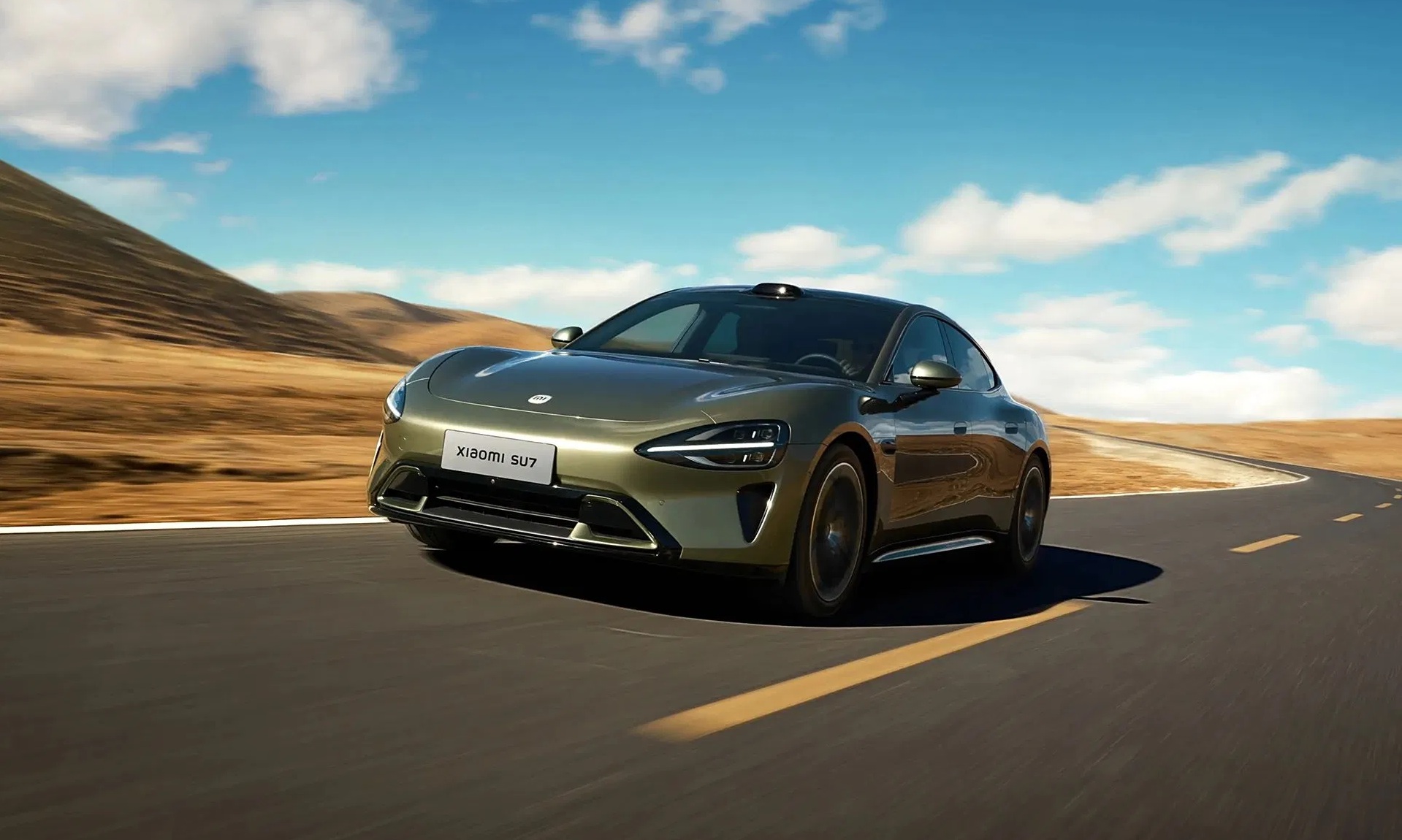
That high-voltage bravado is being mirrored across the ecosystem. When consumer technology giant Xiaomi stepped onto the tarmac with its inaugural self-designed SU7, it set an unapologetic benchmark: a minimum driving range of 700 kilometres right out of the gate. What once required bespoke packaging and six-figure price tags in Western showrooms has been transformed by Chinese engineering into an entry-level expectation. The SU7 proves how rapidly the technical bar is rising when hardware titans treat automotive development with the sprint cadence of consumer electronics.That high-voltage bravado is being mirrored across the ecosystem. When consumer technology giant Xiaomi stepped onto the tarmac with its inaugural self-designed SU7, it set an unapologetic benchmark: a minimum driving range of 700 kilometres right out of the gate. What once required bespoke packaging and six-figure price tags in Western showrooms has been transformed by Chinese engineering into an entry-level expectation. The SU7 proves how rapidly the technical bar is rising when hardware titans treat automotive development with the sprint cadence of consumer electronics.
The August delivery figures substantiate the sheer momentum behind this industrial pivot. In a month that reshuffled the domestic hierarchy, seven distinct new-power automotive brand groups and ecological alliances eclipsed the critical 30,000-unit monthly delivery threshold. Li Auto demonstrated the resilience of its premium extended-range formula by surging with an additional 7,000 units month-on-month, while established conglomerates BYD, Geely, and Chery hit record export volumes as their global freight networks spun up to full capacity.
Yet the data also reveals an unforgiving consolidation phase. While well-capitalised players and automated industrial fortresses surge ahead, four struggling EV startups saw their deliveries contract in August. The domestic landscape is ruthlessly dividing into those who possess the capital expenditure to build fully robotic mega-factories and proprietary battery chemistry, and those who are simply along for the ride. The market is weeding out the assembler class in favour of true manufacturing powerhouses.Yet the data also reveals an unforgiving consolidation phase. While well-capitalised players and automated industrial fortresses surge ahead, four struggling EV startups saw their deliveries contract in August. The domestic landscape is ruthlessly dividing into those who possess the capital expenditure to build fully robotic mega-factories and proprietary battery chemistry, and those who are simply along for the ride. The market is weeding out the assembler class in favour of true manufacturing powerhouses.
For Western legacy brands monitoring the horizon from Stuttgart, Munich, and Detroit, the threat is no longer theoretical or confined to entry-level city runabouts. Between Zeekr’s ultra-fast charging architectures, Xiaomi’s long-range silicon integration, and Geely’s aggressive global shipping lanes, China’s automotive vanguard is exporting luxury-tier engineering at an unprecedented cadence. The electric moat is being built not in design studios, but on automated factory floors that refuse to slow down.For Western legacy brands monitoring the horizon from Stuttgart, Munich, and Detroit, the threat is no longer theoretical or confined to entry-level city runabouts. Between Zeekr’s ultra-fast charging architectures, Xiaomi’s long-range silicon integration, and Geely’s aggressive global shipping lanes, China’s automotive vanguard is exporting luxury-tier engineering at an unprecedented cadence. The electric moat is being built not in design studios, but on automated factory floors that refuse to slow down.
Gallery
"Zeekr says its new electric vehicle batteries charge faster than any of its rivals, including industry leader Tesla."
Why it matters
China's leading EV manufacturers are shifting from domestic price wars to an automated, high-voltage offensive in global luxury segments. By resetting expectations around 700km ranges and lightning-fast charging speeds, these industrial giants are threatening the premium margins of legacy Western automakers.
Sources
- 1.
- 2.
- 3.
- 4.
Reported by the Downforce & Divots desk from the sources above.
The clubhouse.
- No replies yet. Be the first.