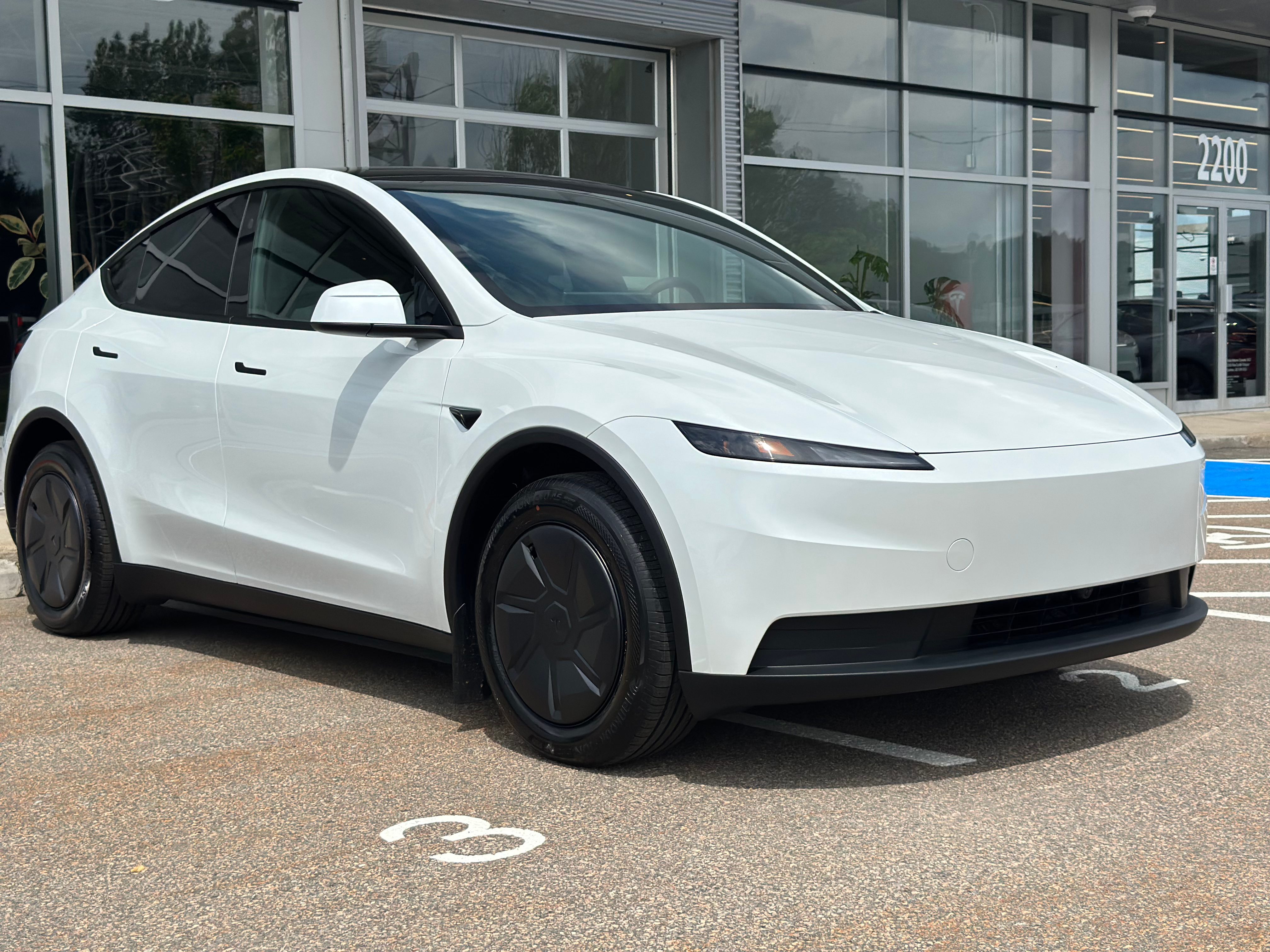
The Shenzhen Siege: Can Tesla Hold the Pole Position?
As Elon Musk’s dominance faces a coordinated assault from legacy giants and nimble Chinese rivals, the EV market's long-standing hierarchy is being rewritten in real-time.
For years, Tesla has enjoyed an undisputed pole position in the electric vehicle sector, effectively becoming the industry’s pace car. However, as the 2026 model year approaches, that lead is looking increasingly precarious. The latest market data indicates that while Tesla managed a formidable 1.8 million EV sales, the landscape is no longer a solo run. The 'Shenzhen Blitz'—led by BYD—has transformed the competition from a distant chase into a wheel-to-wheel battle for global volume.
The 2026 Tesla Model Y arrives with a refreshed spec sheet featuring an EPA-estimated range of up to 318 miles, powered by a 61.44-kWh LFP Blade battery. It remains the benchmark for the tech-meets-practicality sweet spot, yet the hardware alone may no longer be enough. The entry of nimble Chinese manufacturers, backed by significant government support and immense cost advantages, is forcing a strategic rethink in Austin and Fremont.The 2026 Tesla Model Y arrives with a refreshed spec sheet featuring an EPA-estimated range of up to 318 miles, powered by a 61.44-kWh LFP Blade battery. It remains the benchmark for the tech-meets-practicality sweet spot, yet the hardware alone may no longer be enough. The entry of nimble Chinese manufacturers, backed by significant government support and immense cost advantages, is forcing a strategic rethink in Austin and Fremont.
It isn't just the startups causing headaches for Musk. Legacy automakers, long accused of being asleep at the wheel, have finally mobilised their deep pockets and manufacturing expertise. These established giants are moving into the fast lane with expansive EV programmes, aiming to leverage their existing scale to squeeze Tesla’s margins. The sheer volume of new EVs in all shapes and sizes coming to market suggests the era of Tesla’s 'synonymous' relationship with the electric car is nearing its end.It isn't just the startups causing headaches for Musk. Legacy automakers, long accused of being asleep at the wheel, have finally mobilised their deep pockets and manufacturing expertise. These established giants are moving into the fast lane with expansive EV programmes, aiming to leverage their existing scale to squeeze Tesla’s margins. The sheer volume of new EVs in all shapes and sizes coming to market suggests the era of Tesla’s 'synonymous' relationship with the electric car is nearing its end.
Comparison figures illustrate the widening gap between the leaders and the rest of the pack. While Tesla and BYD occupy their own tier at the front, others like BMW are trailing significantly with 598,000 EV units. Even General Motors, once the titan of global manufacturing, is finding it difficult to match the production cadence set by the new-energy leaders in Shenzhen and the United States.Comparison figures illustrate the widening gap between the leaders and the rest of the pack. While Tesla and BYD occupy their own tier at the front, others like BMW are trailing significantly with 598,000 EV units. Even General Motors, once the titan of global manufacturing, is finding it difficult to match the production cadence set by the new-energy leaders in Shenzhen and the United States.
The competitive tension is palpable as the industry faces tightening emissions regulations and a global push toward carbon neutrality. For Tesla, the challenge is two-fold: defending its technological prestige against premium European badges while fending off the price-war tactics of Chinese competitors. The agility of the Chinese market, described as one of the most dynamic in the world, means that product cycles are now measured in months rather than years.The competitive tension is palpable as the industry faces tightening emissions regulations and a global push toward carbon neutrality. For Tesla, the challenge is two-fold: defending its technological prestige against premium European badges while fending off the price-war tactics of Chinese competitors. The agility of the Chinese market, described as one of the most dynamic in the world, means that product cycles are now measured in months rather than years.
As we move further into late 2026, the 'Pole Position' isn't just about who sells the most cars; it’s about who survives the inevitable consolidation of the EV sector. The Darwinian nature of the current market—where the 'Shenzhen Blitz' meets Western legacy endurance—is creating a high-stakes environment where only the most efficient will cross the finish line. Tesla still has the brand equity, but the mirrors are full of rivals who are no longer content to draft behind them.As we move further into late 2026, the 'Pole Position' isn't just about who sells the most cars; it’s about who survives the inevitable consolidation of the EV sector. The Darwinian nature of the current market—where the 'Shenzhen Blitz' meets Western legacy endurance—is creating a high-stakes environment where only the most efficient will cross the finish line. Tesla still has the brand equity, but the mirrors are full of rivals who are no longer content to draft behind them.
Gallery
"Elon Musk’s company looks increasingly like it could lose its pole position, having long set the industry pace."
Why it matters
The shift from Tesla’s monopoly to a multi-polar EV market represents the most significant disruption in automotive manufacturing since the assembly line. Understanding how BYD and legacy giants are closing the tech gap is essential for tracking the future of performance and consumer luxury.
Sources
- 1.
- 2.What Are Tesla's (TSLA) Main Competitors?investopedia.com
- 3.Hot, New Electric Cars That Are Coming Soonconsumerreports.org
- 4.
Reported by the Downforce & Divots desk from the sources above.
The clubhouse.
- No replies yet. Be the first.