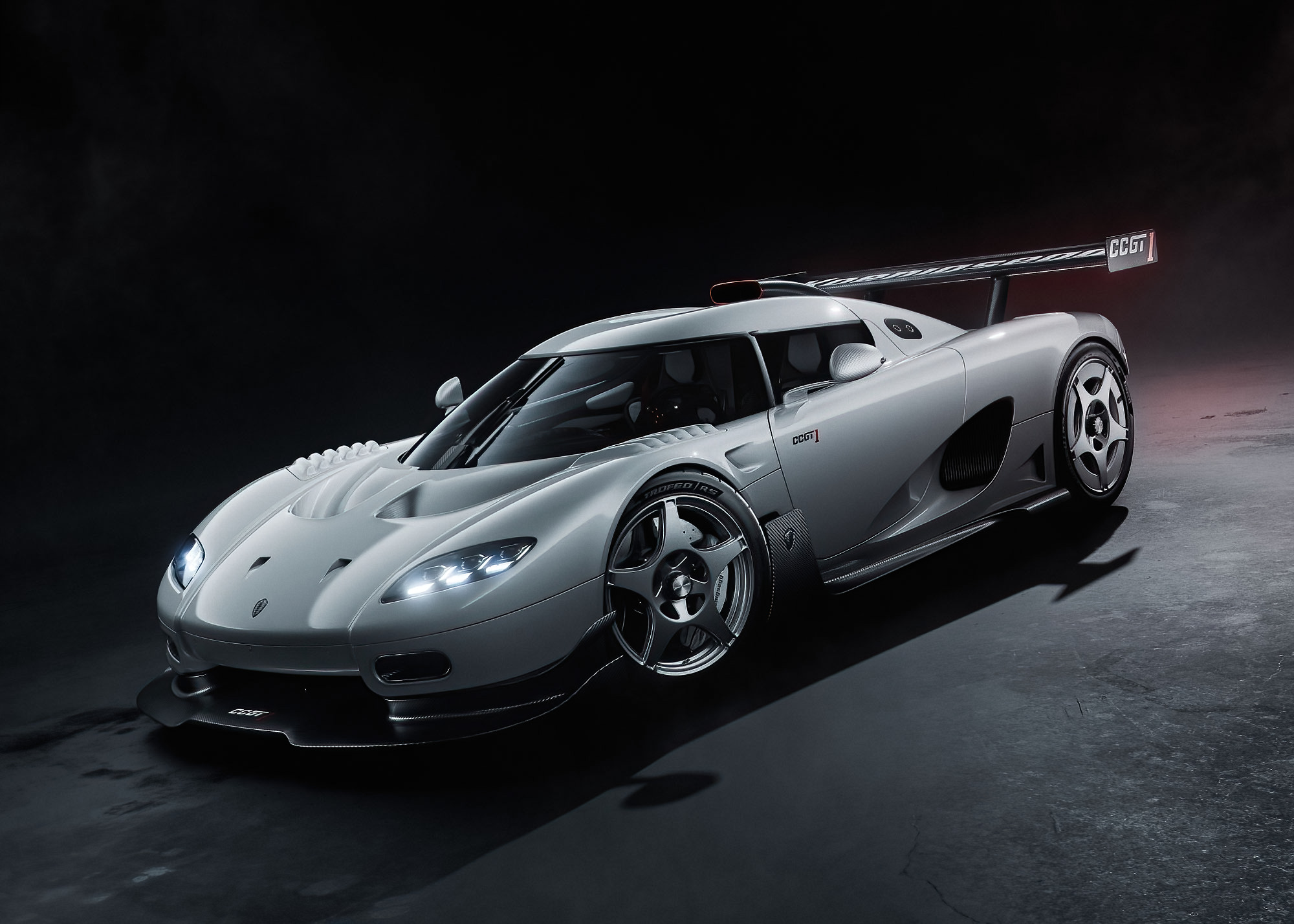
The Pure-Combustion Counterstrike: Inside Koenigsegg’s CCGT1 Gambit
As mainstream performance wrestles with heavy batteries, Christian von Koenigsegg repurposes the CC850 platform to prove four-figure horsepower still belongs to petrol.
While the broader automotive landscape remains tangled in the messy, heavyweight transition toward electrification, the bespoke hypercar stratosphere has quietly opted out of the compromise. In Ängelholm, the answer to regulatory anxiety is not a two-tonne battery pack or artificial torque curves. It is the Koenigsegg CCGT1, a machine engineered from the outset to reinforce a singular truth: when price is no object, pure internal combustion remains the ultimate emotional currency.While the broader automotive landscape remains tangled in the messy, heavyweight transition toward electrification, the bespoke hypercar stratosphere has quietly opted out of the compromise. In Ängelholm, the answer to regulatory anxiety is not a two-tonne battery pack or artificial torque curves. It is the Koenigsegg CCGT1, a machine engineered from the outset to reinforce a singular truth: when price is no object, pure internal combustion remains the ultimate emotional currency.
Built around the architecture of the acclaimed CC850, the CCGT1 represents a deliberate doubling down on mechanical theatre. Rather than using hybrid assist as a crutch for straight-line metrics, Koenigsegg is exploiting the extreme thermodynamic ceilings of its bespoke powertrain. The brief is unabashedly purist, concentrating immense engineering capital on extracting more than 1,000 horsepower from a turbocharged combustion setup without diluting the chassis with battery deadweight.Built around the architecture of the acclaimed CC850, the CCGT1 represents a deliberate doubling down on mechanical theatre. Rather than using hybrid assist as a crutch for straight-line metrics, Koenigsegg is exploiting the extreme thermodynamic ceilings of its bespoke powertrain. The brief is unabashedly purist, concentrating immense engineering capital on extracting more than 1,000 horsepower from a turbocharged combustion setup without diluting the chassis with battery deadweight.
The strategy highlights a widening ideological rift between tier-one supercar manufacturers and boutique hypercar artisans. While legacy marques re-engineer their entire line-ups to meet tightening emissions thresholds and corporate fleet averages, high-end builders are thriving in a parallel economy. Buyers in this tier are not shopping for commuter efficiency; they are acquiring apex mechanical monuments before the regulatory gate finally slams shut.The strategy highlights a widening ideological rift between tier-one supercar manufacturers and boutique hypercar artisans. While legacy marques re-engineer their entire line-ups to meet tightening emissions thresholds and corporate fleet averages, high-end builders are thriving in a parallel economy. Buyers in this tier are not shopping for commuter efficiency; they are acquiring apex mechanical monuments before the regulatory gate finally slams shut.
By adopting the CC850's core bones, the CCGT1 inherits an ultra-rigid carbon monocoque and a mechanical package built for acute driver engagement. It avoids the clinical detachment that plagues so many modern hyper-EVs. The tactile drama of internal combustion—the explosive swell of boost, the acoustic violence at redline, and the sheer mechanical feedback of high-revving petrol—remains unmatched by silent multi-motor platforms.By adopting the CC850's core bones, the CCGT1 inherits an ultra-rigid carbon monocoque and a mechanical package built for acute driver engagement. It avoids the clinical detachment that plagues so many modern hyper-EVs. The tactile drama of internal combustion—the explosive swell of boost, the acoustic violence at redline, and the sheer mechanical feedback of high-revving petrol—remains unmatched by silent multi-motor platforms.
Koenigsegg's latest statement serves as a reminder that the hypercar market is not dying with the internal combustion engine; it is merely ascending to rarefied heights. The CCGT1 is not a nostalgic look backward, but an uncompromised assertion that four-figure power outputs and featherweight engineering are still best delivered through petrol and fire.Koenigsegg's latest statement serves as a reminder that the hypercar market is not dying with the internal combustion engine; it is merely ascending to rarefied heights. The CCGT1 is not a nostalgic look backward, but an uncompromised assertion that four-figure power outputs and featherweight engineering are still best delivered through petrol and fire.
Gallery
"While the rest of the automotive world digests electrification, hypercar builders are pushing internal combustion to 1,000 horsepower and beyond."
Why it matters
Koenigsegg’s CCGT1 proves that elite hypercar builders are actively rejecting pure-electric powertrains in favour of ultralight, four-figure-horsepower combustion. It cements the boutique hypercar tier as the final, untouchable preserve for uncompromised mechanical engineering.
Sources
- 1.
- 2.
- 3.
- 4.
Reported by the Downforce & Divots desk from the sources above.
The clubhouse.
- No replies yet. Be the first.