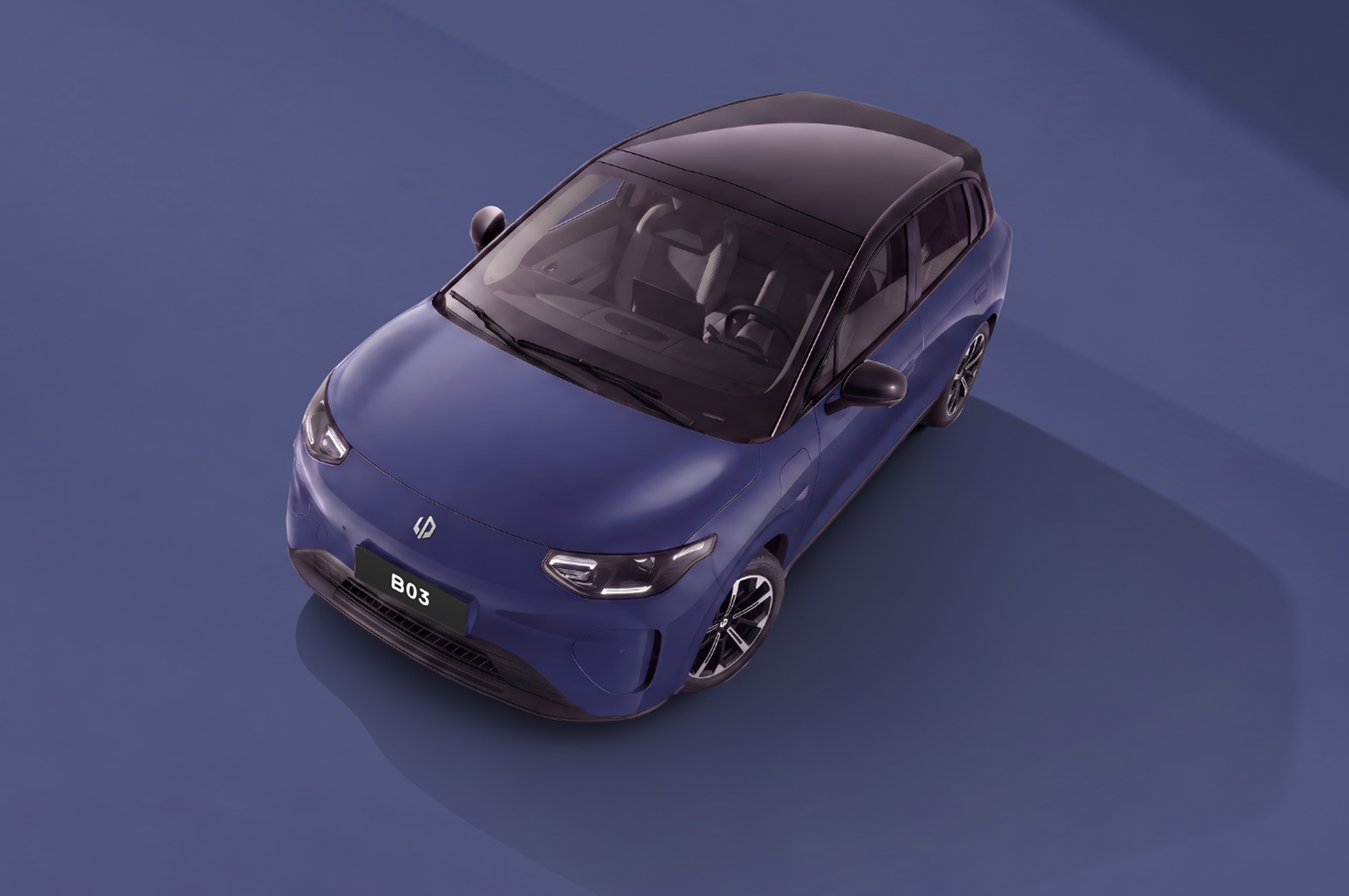
The Leapmotor Insurgency
While the world watches the giants, a new predator has emerged in the East to disrupt the electric hegemony of NIO and XPeng.
The hierarchy of Chinese electric mobility has long felt like a fixed constellation. We have grown accustomed to the software-first siege of NIO, the luxury aspirations of Zeekr, and the rapid technological iteration of XPeng. But as the July 2026 delivery data filters through, the leaderboard has been violently rearranged. In a move that has sent tremors through the industry, Leapmotor has not just competed; it has effectively cleared the board, outselling XPeng, NIO, and Zeekr combined in a single month.
This is not merely a statistical anomaly; it is a brutal demonstration of shifting consumer sentiment in the world's largest EV market. While XPeng saw its deliveries tumble to 8,620 units in June—a staggering 44% decline from the 15,295 units it moved previously—the market at large continues to swell. China has become the first nation to surpass one million monthly EV sales, yet the spoils are being redistributed away from the original 'innovators' toward high-value disruptors like Leapmotor.
The landscape is further complicated by the arrival of hyper-competitive hardware that makes Western legacy manufacturers look like they are standing still. Consider the GT7, the joint venture between Huawei and GAC. It offers a staggering 768 horsepower and a 10-80% charge time of under 12 minutes, all for a price tag of roughly $31,000. It is a car that, by all rights, should be the most talked-about sports car on the planet, were it not for the geopolitical tariffs keeping it off Western tarmac.The landscape is further complicated by the arrival of hyper-competitive hardware that makes Western legacy manufacturers look like they are standing still. Consider the GT7, the joint venture between Huawei and GAC. It offers a staggering 768 horsepower and a 10-80% charge time of under 12 minutes, all for a price tag of roughly $31,000. It is a car that, by all rights, should be the most talked-about sports car on the planet, were it not for the geopolitical tariffs keeping it off Western tarmac.
For the likes of BYD, Xiaomi, and Li Auto, the pressure is no longer just coming from the threat of Tesla. The threat is now internal and increasingly efficient. These companies are building some of the most advanced EVs globally, featuring impressive range and integrated technology that treats the car more like a smartphone than a carriage. Yet, as the July roundup from major automakers confirms, even these 'new' giants aren't safe from the next wave of challengers.
Leapmotor's ascent signals a pivot toward a more aggressive, value-driven segment of the market that refuses to compromise on the kilowatt count. The days when a sleek UI and a few battery-swap stations could guarantee a premium spot on the charts are over. In this climate, 8,600 units is no longer a safety net; it's a warning sign.Leapmotor's ascent signals a pivot toward a more aggressive, value-driven segment of the market that refuses to compromise on the kilowatt count. The days when a sleek UI and a few battery-swap stations could guarantee a premium spot on the charts are over. In this climate, 8,600 units is no longer a safety net; it's a warning sign.
The implications for the global market are clear: the software-first siege is maturing into a full-scale volume war. As China dominates the kilowatt hegemony, the gap between what is available in a Shanghai showroom and what arrives in London or Los Angeles is widening. While we may not see the GT7 on our shores soon, the data from July proves that the competition for electric supremacy is far from a two-horse race.The implications for the global market are clear: the software-first siege is maturing into a full-scale volume war. As China dominates the kilowatt hegemony, the gap between what is available in a Shanghai showroom and what arrives in London or Los Angeles is widening. While we may not see the GT7 on our shores soon, the data from July proves that the competition for electric supremacy is far from a two-horse race.
Gallery
"Leapmotor just outsold XPeng, NIO and Zeekr combined in one month, signaling a massive shift in the electric hierarchy."
Why it matters
The sudden dominance of Leapmotor over established EV brands like NIO and XPeng proves that the Chinese market remains volatile and hyper-competitive. As China surpasses one million EV sales per month, the rapid fall of previous darlings suggests that technological lead is temporary.
Sources
- 1.
- 2.
- 3.China's CRAZY $34000 EV Sports Car - Instagraminstagram.com
- 4.
Reported by the Downforce & Divots desk from the sources above.
The clubhouse.
- No replies yet. Be the first.