The Glass Ceiling: Polestar’s Vision Correction and Munich’s Neue Guard
As Polestar embraces the rearview mirror once more, BMW’s 'Neue Klasse' winglets prepare to redefine the luxury SUV silhouette for 2027.
In the high-stakes world of electric SUV design, visibility is becoming the new battleground. Polestar, the Swedish-born provocateur of minimalist luxury, has confirmed that a new SUV variant of the Polestar 4 will go on sale from 2 September. While the brand initially made waves by deleting the rear window in its saloon counterpart—relying entirely on camera feeds—a new teaser image suggests a return to tradition. It appears the SUV version will finally feature a conventional rear window, a move aimed at bringing necessary practicality to what is expected to be the brand's biggest-selling model.In the high-stakes world of electric SUV design, visibility is becoming the new battleground. Polestar, the Swedish-born provocateur of minimalist luxury, has confirmed that a new SUV variant of the Polestar 4 will go on sale from 2 September. While the brand initially made waves by deleting the rear window in its saloon counterpart—relying entirely on camera feeds—a new teaser image suggests a return to tradition. It appears the SUV version will finally feature a conventional rear window, a move aimed at bringing necessary practicality to what is expected to be the brand's biggest-selling model.
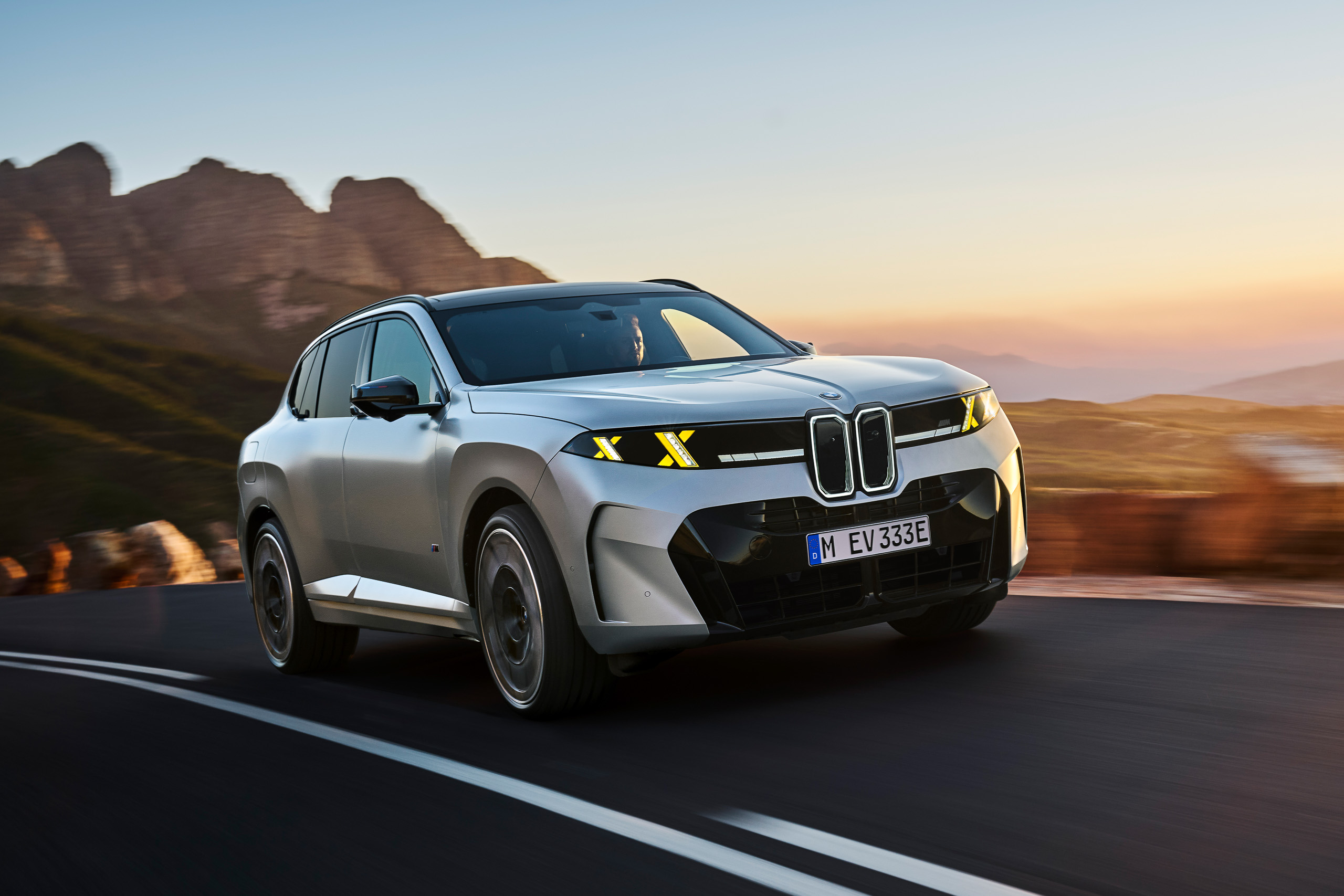
While Gothenburg looks backward to see the road ahead, Munich is pushing further into the digital frontier. The original luxury SUV, the BMW X5, is entering its fifth generation for 2027 with a radical departure from its internal combustion roots. Recent spy shots of the luxury hauler caught in testing reveal a fully electric guise. The most telling detail remains the absence of a visible exhaust system, confirming that the X5 is fully committing to the 'Neue Klasse' electric architecture that BMW hopes will stave off the Shenzhen surge.While Gothenburg looks backward to see the road ahead, Munich is pushing further into the digital frontier. The original luxury SUV, the BMW X5, is entering its fifth generation for 2027 with a radical departure from its internal combustion roots. Recent spy shots of the luxury hauler caught in testing reveal a fully electric guise. The most telling detail remains the absence of a visible exhaust system, confirming that the X5 is fully committing to the 'Neue Klasse' electric architecture that BMW hopes will stave off the Shenzhen surge.
This design revolution isn't limited to the X5 mid-sizer. BMW’s flagship X7 is also undergoing a transformative update for its 2027 arrival. Internal prototypes have confirmed that the X7 will adopt the same distinctive 'winglet' design elements seen on the X5, creating a unified electric aesthetic across the upper echelons of the BMW range. These winglets represent more than mere ornamentation; they are the calling card of a brand trying to marry its heritage of driving dynamics with a future defined by aerodynamics and battery placement.This design revolution isn't limited to the X5 mid-sizer. BMW’s flagship X7 is also undergoing a transformative update for its 2027 arrival. Internal prototypes have confirmed that the X7 will adopt the same distinctive 'winglet' design elements seen on the X5, creating a unified electric aesthetic across the upper echelons of the BMW range. These winglets represent more than mere ornamentation; they are the calling card of a brand trying to marry its heritage of driving dynamics with a future defined by aerodynamics and battery placement.
The 2027 SUV class is shaping up to be a clash of philosophies: Polestar’s pivot toward practical visibility versus BMW’s aggressive pursuit of a futuristic, exhaust-free silhouette. Even Hyundai is joining the fray, with the fifth-generation Tucson spotted testing ahead of a Q3 2026 global debut. The next-gen Tucson is reported to carry over significant styling elements from the Vision Concept T SUV, proving that even the more accessible segments are finding inspiration in high-concept silhouettes and aggressive, concept-car aesthetics.The 2027 SUV class is shaping up to be a clash of philosophies: Polestar’s pivot toward practical visibility versus BMW’s aggressive pursuit of a futuristic, exhaust-free silhouette. Even Hyundai is joining the fray, with the fifth-generation Tucson spotted testing ahead of a Q3 2026 global debut. The next-gen Tucson is reported to carry over significant styling elements from the Vision Concept T SUV, proving that even the more accessible segments are finding inspiration in high-concept silhouettes and aggressive, concept-car aesthetics.
For the luxury buyer, these developments signal a maturing EV market where 'different' is no longer enough. The return of the rear window at Polestar suggests that even the most daring Scandinavian designers must eventually bow to the realities of daily use. Meanwhile, the 'Neue Klasse' winglets at BMW suggest that the German establishment is finally ready to let go of the triple-box SUV shape in favor of something more ethereal and efficient.For the luxury buyer, these developments signal a maturing EV market where 'different' is no longer enough. The return of the rear window at Polestar suggests that even the most daring Scandinavian designers must eventually bow to the realities of daily use. Meanwhile, the 'Neue Klasse' winglets at BMW suggest that the German establishment is finally ready to let go of the triple-box SUV shape in favor of something more ethereal and efficient.
Gallery
"The absence of a visible exhaust system tells us we are looking at the fifth generation seemingly caught in fully electric guise."
Why it matters
The 2026-2027 SUV cycle represents a critical pivot point for European luxury brands. With BMW fully committing its X-series to the Neue Klasse design language and Polestar refining its ergonomic misses, the next two years will decide who survives the electric transition.
Sources
- 1.
- 2.
- 3.
- 4.
Reported by the Downforce & Divots desk from the sources above.
The clubhouse.
- No replies yet. Be the first.