The G-Force Golfer: Unlocking the Neurological Switch from a 5G Apex to a 5-Foot Putt
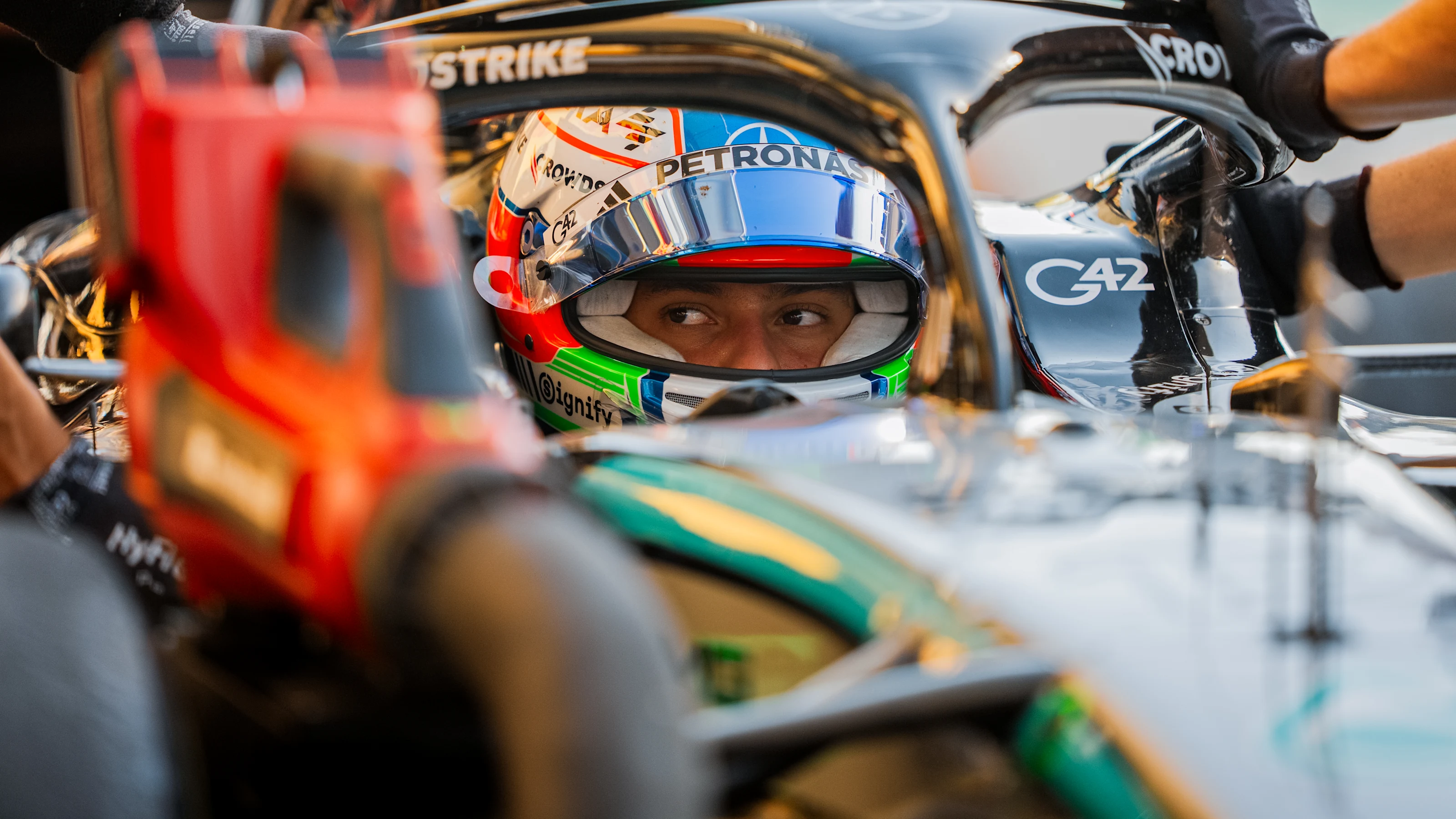
Formula 1 drivers routinely endure lateral forces that would incapacitate a normal person, all while making split-second decisions at 200 mph. How athletes like Lando Norris and Carlos Sainz then pivot to the micro-precision of a championship golf swing reveals a new frontier of athletic duality.
It begins with a number that feels like a typo: 5G. As golf analyst Rick Shiels recently noted, Formula 1 drivers sustain up to five times the force of gravity pressing on their skulls through high-speed corners, all while maintaining millimeter-perfect inputs at speeds breaking 200 mph. This sustained, crushing load places the driver in a state of extreme physical resistance, a world away from the grassy sanctuary of a golf course. Yet, for a growing cohort of F1 stars, the offseason is defined by this very transition, swapping the cockpit’s centrifugal violence for the centripetal focus needed to execute, say, a delicate flop shot in a U.S. Open-level challenge.
The physiological chasm between these two sports is immense. According to Alpine's Deputy Team Principal Fred Espinos, the driver’s seat is a crucible of cognitive load, requiring "a lot of thinking and... a lot of feedback back and forth" between human and machine under extreme duress. This is a constant state of neuromuscular tension, fundamentally different from the explosive but singular biomechanical events in other sports, such as the 7.6–8.5% patellar tendon strain an adolescent volleyball player experiences during a spike landing. While those athletes must manage acute injury risk, the F1 driver’s body is conditioned for relentless endurance against force, training a specific form of whole-body movement economy that prioritizes resistance over the explosive release a golf swing demands.
This athletic code-switching may be less about muscle and more about mind. Fascinating parallels emerge from neurological recovery science, which shows that in the years following a brain injury, the mind is “highly adaptable—but it can also reinforce compensation patterns that limit long-term recovery.” For an F1 driver, whose entire neuromuscular system is optimized for reacting to G-force, the brain must actively fight compensatory habits when addressing a golf ball. It must learn a new language of movement, one where the instincts honed to survive a corner at Silverstone are not just unhelpful but actively detrimental. The ability of drivers like the famously resilient Fernando Alonso to not just perform but thrive across decades and disciplines speaks to an elite level of neurological plasticity, essentially reprogramming the brain’s software on command.This athletic code-switching may be less about muscle and more about mind. Fascinating parallels emerge from neurological recovery science, which shows that in the years following a brain injury, the mind is “highly adaptable—but it can also reinforce compensation patterns that limit long-term recovery.” For an F1 driver, whose entire neuromuscular system is optimized for reacting to G-force, the brain must actively fight compensatory habits when addressing a golf ball. It must learn a new language of movement, one where the instincts honed to survive a corner at Silverstone are not just unhelpful but actively detrimental. The ability of drivers like the famously resilient Fernando Alonso to not just perform but thrive across decades and disciplines speaks to an elite level of neurological plasticity, essentially reprogramming the brain’s software on command.
Gallery
"Your brain is highly adaptable—but it can also reinforce compensation patterns that limit long-term recovery."
Why it matters
The F1-to-golf trend highlights an emerging truth in elite athletics: physical prowess is only half the battle. The ability to mentally 're-wire' for fundamentally different tasks showcases a level of neurological discipline that may become the next metric of greatness. It reframes our understanding of what it means to be a versatile athlete in the modern era.
Sources
- 1.
- 2.
- 3.
- 4.
- 5.
- 6.The worlds LONGEST driver plays on easy mode 🤯facebook.com
- 7.
- 8.
- 9.
- 10.
Reported by the Downforce & Divots desk from the sources above.
The clubhouse.
- No replies yet. Be the first.