The Balance Sheet Coup: Why China’s EV Startups Are Finally Printing Cash
While Western legacy marques bleed billions navigating electrification, a rising crop of Chinese EV makers has crossed the ultimate threshold into genuine profitability.
For years, boardrooms in Detroit, Stuttgart, and Wolfsburg comforted themselves with a convenient dogma: China's aggressive electric offensive was a debt-fueled sprint destined to collapse once price wars took their toll. The narrative suggested that while Chinese brands could churn out high-tech silhouettes at breakneck speed, building battery-electric vehicles profitably was a riddle only seasoned legacy titans would eventually solve. That comforting premise has now thoroughly evaporated.For years, boardrooms in Detroit, Stuttgart, and Wolfsburg comforted themselves with a convenient dogma: China's aggressive electric offensive was a debt-fueled sprint destined to collapse once price wars took their toll. The narrative suggested that while Chinese brands could churn out high-tech silhouettes at breakneck speed, building battery-electric vehicles profitably was a riddle only seasoned legacy titans would eventually solve. That comforting premise has now thoroughly evaporated.
Instead, the financial ledger is delivering a sobering reversal. While American and European rivals continue to bleed staggering sums of cash trying to retool legacy assembly lines and scale dedicated EV platforms, a decisive new wave of Chinese EV manufacturers has moved into the black. Rather than flaming out under brutal domestic competition, these automakers have leveraged hyper-integrated supply chains, rapid-fire engineering cycles, and staggering domestic scale to transform electric mobility from a loss-leader into a sustainable cash generator.Instead, the financial ledger is delivering a sobering reversal. While American and European rivals continue to bleed staggering sums of cash trying to retool legacy assembly lines and scale dedicated EV platforms, a decisive new wave of Chinese EV manufacturers has moved into the black. Rather than flaming out under brutal domestic competition, these automakers have leveraged hyper-integrated supply chains, rapid-fire engineering cycles, and staggering domestic scale to transform electric mobility from a loss-leader into a sustainable cash generator.
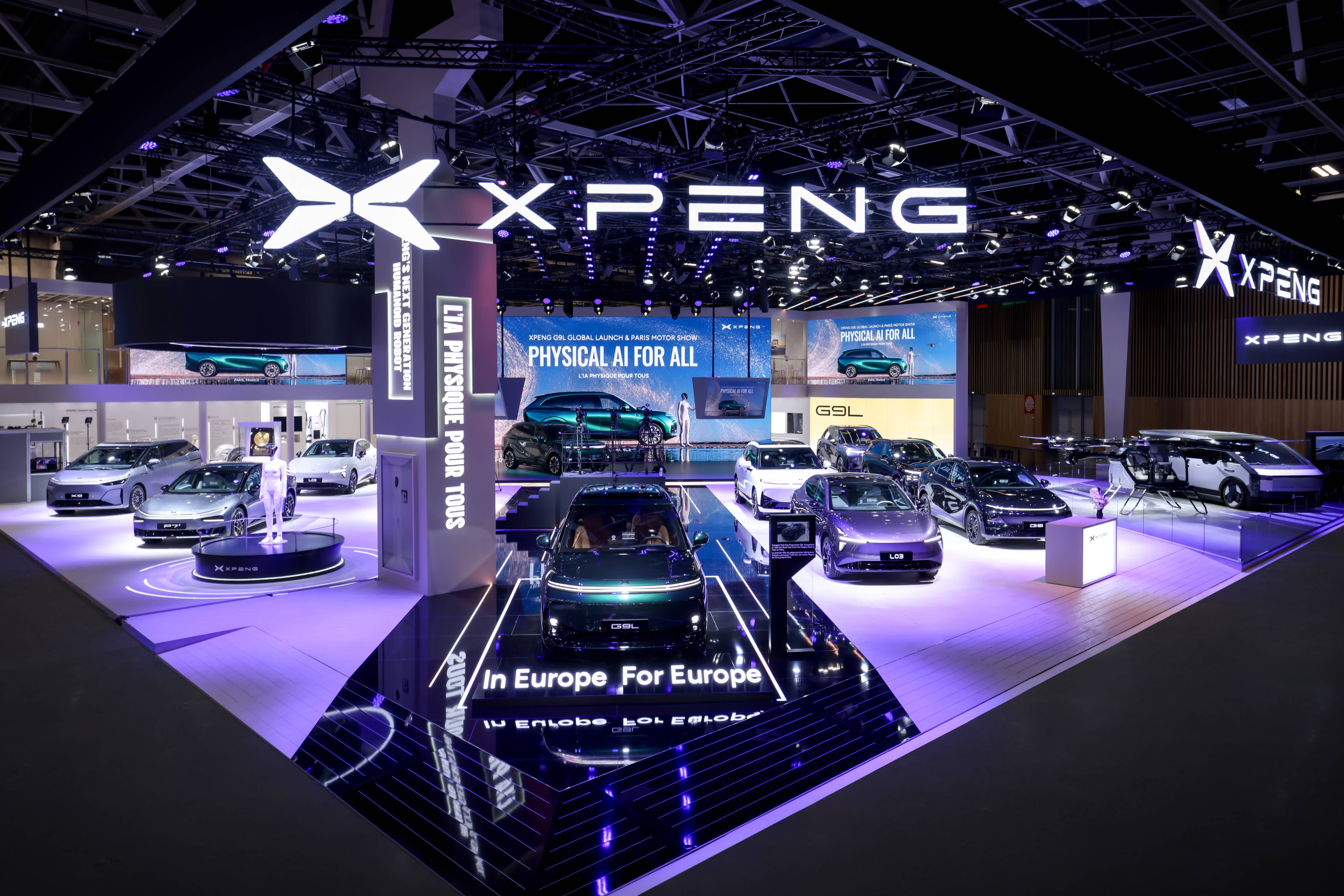
The implications extend far beyond domestic sales charts. Bolstered by healthier margins and stable operational cash flows, Chinese manufacturers are accelerating their outward march into international markets. From mainstream continental European showcases to nimble fringe deployments—such as XPeng’s coordinated entry into the Maltese market alongside Dongfeng via Michael Attard Ltd, spearheaded by its flagship G9 luxury SUV—these brands are expanding their global footprint with premium, high-margin machinery.
The contrast with legacy automakers attempting to defend their turf in China is stark. Western giants attempting to stem market-share erosion through eleventh-hour software partnerships and collaborative localized platforms are finding that catching up to native agility is far costlier than anticipated. The technological divide—spanning next-generation cockpits, rapid chassis iterations, and advanced driver assistance systems—is formidable enough, but the cost-structure chasm is what poses the existential threat.The contrast with legacy automakers attempting to defend their turf in China is stark. Western giants attempting to stem market-share erosion through eleventh-hour software partnerships and collaborative localized platforms are finding that catching up to native agility is far costlier than anticipated. The technological divide—spanning next-generation cockpits, rapid chassis iterations, and advanced driver assistance systems—is formidable enough, but the cost-structure chasm is what poses the existential threat.
Automotive transitions are ultimately decided not by concept-lawn promises or protective tariffs, but by unit economics. By proving that electric vehicles can be engineered, scaled, and sold at a healthy profit today rather than in some distant theoretical decade, China's EV vanguard has stripped legacy manufacturing of its final excuse.Automotive transitions are ultimately decided not by concept-lawn promises or protective tariffs, but by unit economics. By proving that electric vehicles can be engineered, scaled, and sold at a healthy profit today rather than in some distant theoretical decade, China's EV vanguard has stripped legacy manufacturing of its final excuse.
Gallery
"While American and European rivals bleed cash transitioning to EVs, a new crop of Chinese EV startups are in the black."
Why it matters
The transition to electrification is shifting from a speculative tech race to a brutal contest of balance sheets. With Chinese EV makers demonstrating sustainable profitability, legacy Western automakers face an uphill battle against competitors who no longer rely on external subsidies to fund global expansion.
Sources
- 1.
- 2.
- 3.
- 4.
Reported by the Downforce & Divots desk from the sources above.
The clubhouse.
- No replies yet. Be the first.