The 40-to-1 Deficit: Why Volkswagen’s XPeng Alliance Can’t Stop Xiaomi
Wolfsburg thought partnering with domestic tech darling XPeng would secure its electric future in China, but Xiaomi’s YU7 just delivered a brutal reality check.
When Volkswagen wrote a massive cheque to tie its fortunes to Chinese EV pioneer XPeng, the strategic logic in Wolfsburg sounded impeccable: marry German manufacturing scale with domestic software agility to halt the bloodbath in the world's most aggressive electric car market. The first fruit of that defensive posture, the ID. Unyx 08 SUV, was supposed to prove that legacy titans could still command respect on Chinese tarmac. Instead, it has run straight into a commercial buzzsaw.
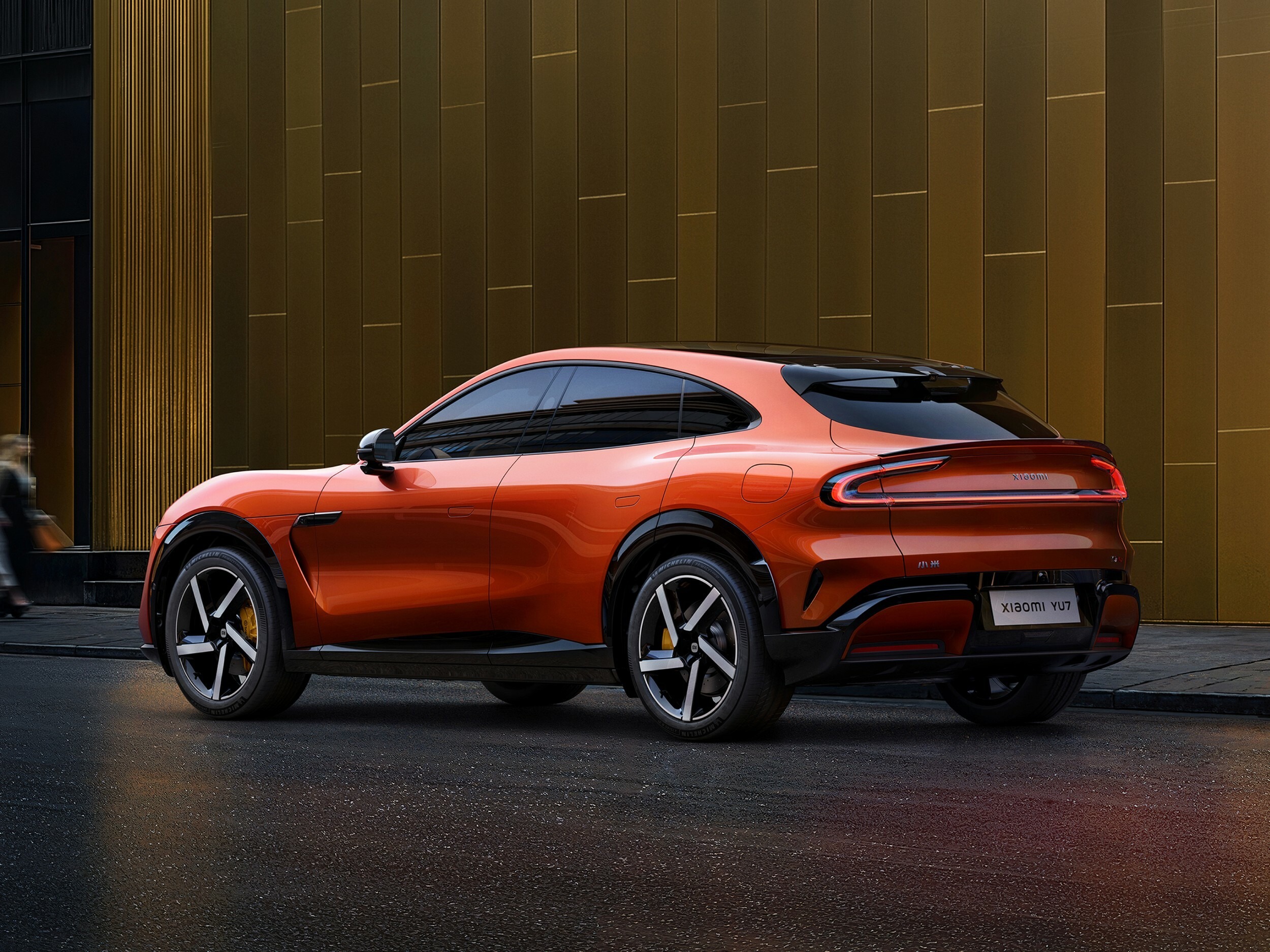
The scale of the drubbing is laid bare by domestic sales data showing Xiaomi’s newly fielded YU7 outselling Volkswagen’s ID. Unyx 08 by a humiliating margin of more than 40 to 1. For an automotive empire that spent decades treating China as its private profit bank, watching an electronics brand turn its fresh crossover into a statistical rounding error is a devastating verdict on Western legacy adaptation.The scale of the drubbing is laid bare by domestic sales data showing Xiaomi’s newly fielded YU7 outselling Volkswagen’s ID. Unyx 08 by a humiliating margin of more than 40 to 1. For an automotive empire that spent decades treating China as its private profit bank, watching an electronics brand turn its fresh crossover into a statistical rounding error is a devastating verdict on Western legacy adaptation.
The disconnect goes far beyond sheet metal and panel gaps. In China’s hyper-accelerated EV arena, consumers are no longer seduced by badge equity or standard-issue electric platforms. Domestic buyers expect their vehicles to serve as seamless extensions of their digital ecosystems, developed alongside juggernauts like Huawei, Geely, Zeekr, and NIO, while integrating radical hardware features that leave traditional European product cycles looking archaic.
While domestic players race ahead with headline-grabbing party tricks—from BYD’s pothole-hopping active suspensions and amphibious hulls to roof-mounted drone bays—Volkswagen’s calculated middle ground feels uncomfortably cautious. Teaming up with XPeng gave VW access to contemporary software architecture, but the resulting showroom product still carries the bureaucratic DNA of a heritage manufacturer trying to catch up in a market that moves at smartphone speed.
Xiaomi's consumer blitz proves that the battle lines in Beijing and Shanghai have fundamentally shifted. Hardware execution is now taken for granted; the real war is being fought on software native integration, brand resonance with younger demographics, and fearless technological theatre. By trailing the YU7 by such a punishing multiple, Volkswagen faces the stark reality that buying a stake in local tech is no longer enough to buy relevance.Xiaomi's consumer blitz proves that the battle lines in Beijing and Shanghai have fundamentally shifted. Hardware execution is now taken for granted; the real war is being fought on software native integration, brand resonance with younger demographics, and fearless technological theatre. By trailing the YU7 by such a punishing multiple, Volkswagen faces the stark reality that buying a stake in local tech is no longer enough to buy relevance.
Gallery
"Xiaomi's YU7 still outsold its new SUV over 40 to 1."
Why it matters
Volkswagen's heavy investment in XPeng was designed to insulate the German giant from falling market share in China. The brutal sales disparity against tech-native competitors like Xiaomi shows that even co-developed legacy offerings are struggling to resonate with domestic buyers.
Sources
- 1.
- 2.
- 3.
- 4.
Reported by the Downforce & Divots desk from the sources above.
The clubhouse.
- No replies yet. Be the first.