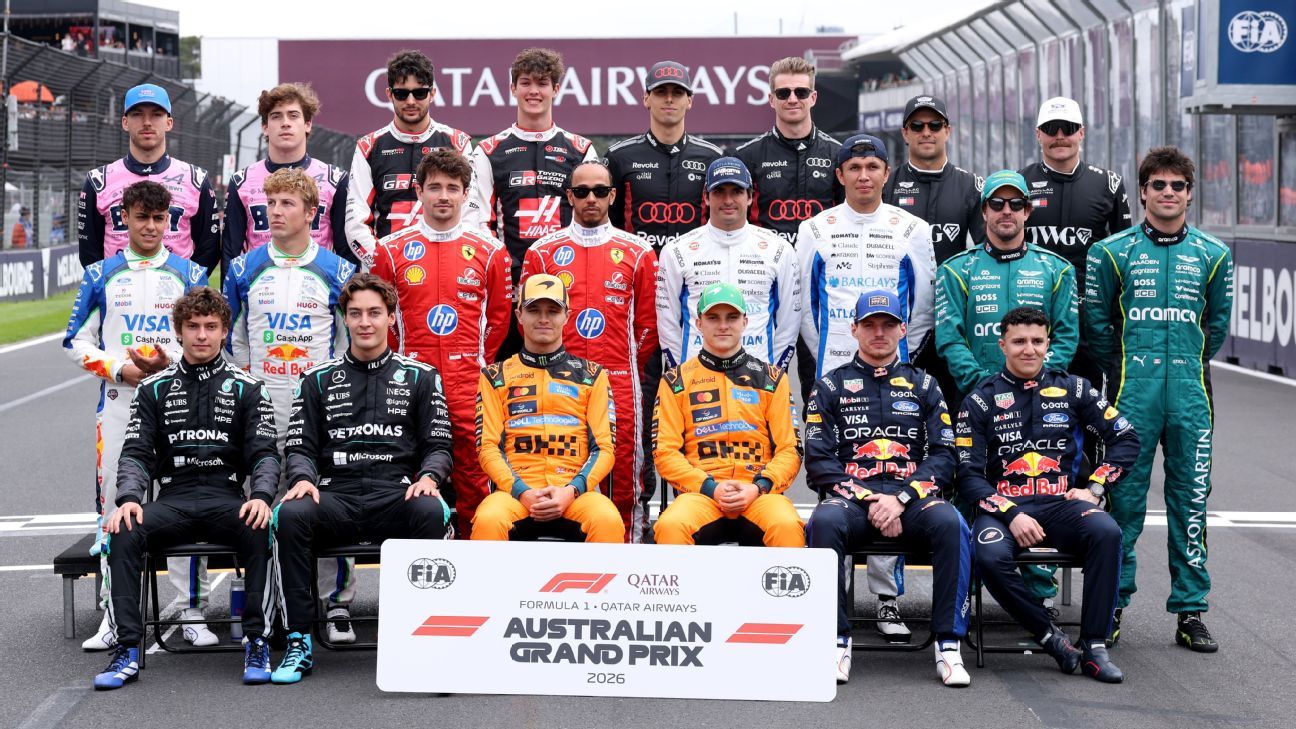
The 2027 Grid Freeze: Inside Formula 1’s High-Stakes Contract Reckoning
With technical regulations resetting the pecking order, the long-term contractual fates of Max Verstappen and Lewis Hamilton are already dictating the sport's future market.
Every tectonic shift in Formula 1 regulation brings an inevitable secondary tremors: the driver contract cycle. While team principals spend countless wind tunnel hours grappling with aero packages and power unit integration, the boardroom maneuvering for 2027 seats is quietly gaining urgency. The fundamental question hanging over team garages is simple: which marquee names have secure contractual commitments, and who is vulnerable to being squeezed out?
At the sharp end of the grid, securing elite tier-one talent remains the ultimate hedge against aerodynamic uncertainty. Max Verstappen and Lewis Hamilton sit at the absolute epicenter of the market calculus. Whether committed through multi-year agreements or facing critical option trigger dates, both world champions represent the benchmark around which constructor strategies are engineered.At the sharp end of the grid, securing elite tier-one talent remains the ultimate hedge against aerodynamic uncertainty. Max Verstappen and Lewis Hamilton sit at the absolute epicenter of the market calculus. Whether committed through multi-year agreements or facing critical option trigger dates, both world champions represent the benchmark around which constructor strategies are engineered.
For the chasing midfield and ambitious customer outfits, the contract landscape presents a vastly different dilemma. Committing capital to young prospects on multi-year development trajectories carries immense upside, but leaves little margin for error if senior seats suddenly become available. Teams are acutely aware that locking down a lineup too early risks missing out on proven race winners looking for an escape hatch.For the chasing midfield and ambitious customer outfits, the contract landscape presents a vastly different dilemma. Committing capital to young prospects on multi-year development trajectories carries immense upside, but leaves little margin for error if senior seats suddenly become available. Teams are acutely aware that locking down a lineup too early risks missing out on proven race winners looking for an escape hatch.
The 2027 driver market is less about sudden vacancies and more about contractual leverage. As seat security tightens across the top tier, teams without verified multi-year driver commitments face an unforgiving reality: in the modern era of cost-capped precision, elite driver continuity is just as vital as aerodynamic efficiency.The 2027 driver market is less about sudden vacancies and more about contractual leverage. As seat security tightens across the top tier, teams without verified multi-year driver commitments face an unforgiving reality: in the modern era of cost-capped precision, elite driver continuity is just as vital as aerodynamic efficiency.
Gallery
"Securing elite talent remains the ultimate hedge against aerodynamic uncertainty as contracts dictate 2027 grid architecture."
Why it matters
Driver market positioning dictates multi-year engineering continuity and constructor investment. As teams plan beyond the initial regulation overhaul, securing premier drivers like Verstappen and Hamilton determines who contends for championships.
Sources
- 1.
- 2.
- 3.
- 4.CHAZ10 DAVID's Auto Care - Facebookfacebook.com
Reported by the Downforce & Divots desk from the sources above.
The clubhouse.
- No replies yet. Be the first.