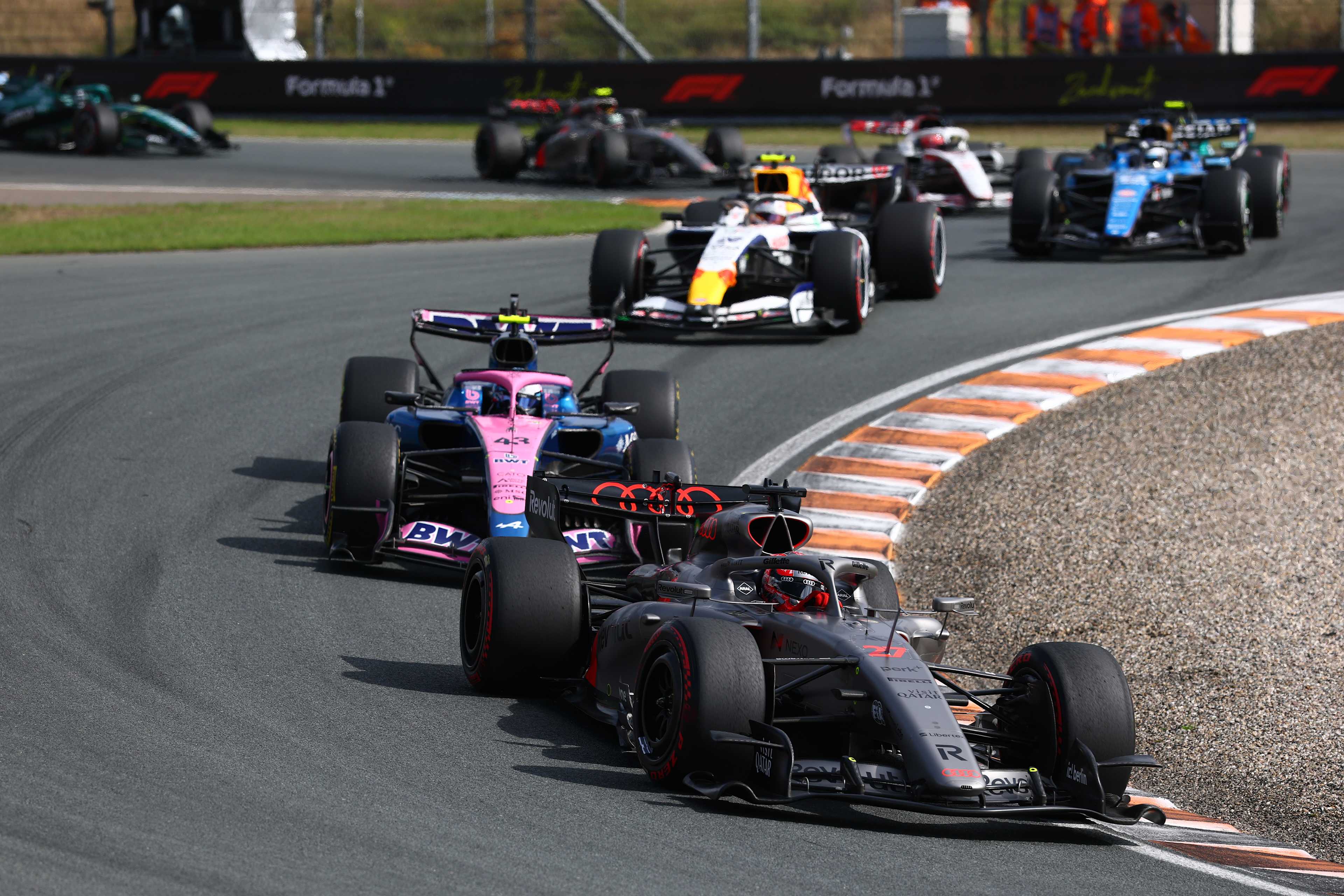
Paddock Stakes and Pin Seekers: The High-Octane Economy of the 2026 Paddock
As Formula 1 salaries reach a $70 million fever pitch, the grid’s elite are increasingly trading the cockpit for the clubhouse.
The 2026 Formula 1 season has become as much about the ledger as it is about the lap time. As the circus pitches its tents across Europe, the financial chasm between the front of the grid and the rest of the sporting world has never been more pronounced. Salaries for the sport’s top tier have hit a stratosphere previously reserved for tech moguls and oil barons, with Max Verstappen reportedly commanding a staggering $70 million annually to steer his Red Bull through the new technical regulations.
He isn't the only one seeing a significant bump in his bank balance. Lewis Hamilton continues to command a premium at $60 million, while the younger guard—led by Charles Leclerc and George Russell—are closing the gap with lucrative long-term deals. But as these figures swell, a curious cultural shift is taking hold of the paddock. The high-stress, high-velocity world of Grand Prix racing is finding its counterbalance on the manicured fairways of the world’s most exclusive clubs.He isn't the only one seeing a significant bump in his bank balance. Lewis Hamilton continues to command a premium at $60 million, while the younger guard—led by Charles Leclerc and George Russell—are closing the gap with lucrative long-term deals. But as these figures swell, a curious cultural shift is taking hold of the paddock. The high-stress, high-velocity world of Grand Prix racing is finding its counterbalance on the manicured fairways of the world’s most exclusive clubs.
This shift isn't merely about relaxation; it is a full-blown lifestyle pivot. While the average golfer might struggle with the psychological weight of the game—some even reporting walking off the course in frustration after years of play—the F1 elite seem to apply the same cold, calculated precision to their short game as they do to a late-braking maneuver at Zandvoort. The crossover is becoming institutionalised, with brands like Vessel Golf and luxury retailers like H.R. Owen bridging the gap between carbon-fibre chassis and leather-bound golf bags.
Lando Norris, arguably the poster boy for this dual-discipline obsession, has demonstrated that time on the green doesn't necessarily detract from time on the podium. Since securing his first world title, Norris has only sharpened his focus, proving that the mental stamina required to track a ball across a 156-yard par-3—much like the 7th at Valley Ridge—mirrors the intense concentration needed to navigate a wet session at the Dutch Grand Prix.Lando Norris, arguably the poster boy for this dual-discipline obsession, has demonstrated that time on the green doesn't necessarily detract from time on the podium. Since securing his first world title, Norris has only sharpened his focus, proving that the mental stamina required to track a ball across a 156-yard par-3—much like the 7th at Valley Ridge—mirrors the intense concentration needed to navigate a wet session at the Dutch Grand Prix.
The synergy is financial as well as psychological. With the 'LIV 1.0' era of golf unravelling and contract law becoming a central theme in the PGA Tour’s survival strategy, the stability of Formula 1’s commercial structure looks increasingly attractive to shared sponsors. The paddock is no longer just a place for petrolheads; it is a networking hub for the golfing elite, where talk of downforce is frequently interrupted by discussions of drive distance.
As we head into the heart of the 2026 season, the 'Woking Fairway' phenomenon pioneered by Zak Brown is no longer an outlier. It is the new standard. Whether it is Ferrari V12s parked outside the H.R. Owen Invitational or the growing list of drivers spending their summer breaks chasing an elusive ace, the intersection of motorsport and golf has moved beyond mere hobbyism into a defining characteristic of the modern athlete’s brand.As we head into the heart of the 2026 season, the 'Woking Fairway' phenomenon pioneered by Zak Brown is no longer an outlier. It is the new standard. Whether it is Ferrari V12s parked outside the H.R. Owen Invitational or the growing list of drivers spending their summer breaks chasing an elusive ace, the intersection of motorsport and golf has moved beyond mere hobbyism into a defining characteristic of the modern athlete’s brand.
Gallery
"For the 2026 season, estimated salaries put Max Verstappen at around $70 million, while the paddock increasingly trades apexes for albatrosses."
Why it matters
The skyrocketing salaries of F1 drivers are fueling a new luxury lifestyle economy where golf is the primary currency. This shift represents a professionalization of the 'off-track' athlete brand that mirrors the current volatility in professional golf contracts.
Sources
- 1.
- 2.How Lando Norris has grown even better since his F1 title ...sports.yahoo.com
- 3.
- 4.
Reported by the Downforce & Divots desk from the sources above.
The clubhouse.
- No replies yet. Be the first.