Forbidden Iron: Why America Is Banned From the 2027 Mitsubishi Pajero Revival
Mitsubishi has resurrected its legendary 12-time Dakar champion. But thanks to punishing tariff economics and homologation hurdles, American off-roaders are completely locked out of the party.
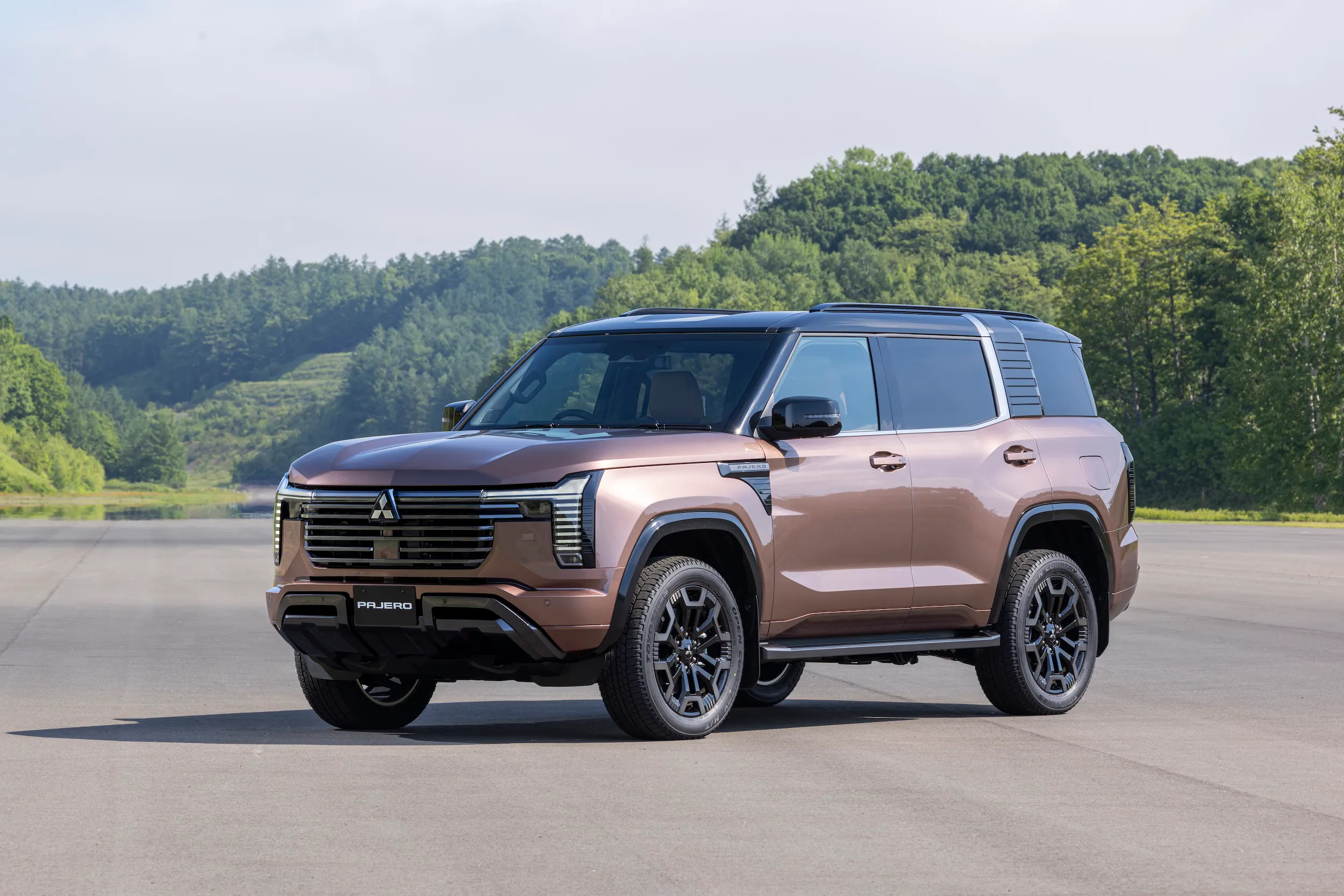
The dust of the Dakar Rally has long settled, but the ghosts of the desert still howl whenever the Mitsubishi Pajero is mentioned. For decades, the nameplate was synonymous with absolute off-road supremacy, a 12-time Dakar-winning legend that carved its reputation into the unforgiving dunes of North Africa and the treacherous scrublands of South America. So when Mitsubishi Motors took to their official channels to announce the world premiere of the all-new Pajero—also badged as the Montero in certain international markets—the global off-road community collectively held its breath. The anticipation had been building for months, fueled by a steady drip of heavily camouflaged spy photos that teased a boxy, retro-futuristic return to form. These covert images revealed just enough crucial details about the upcoming model’s design direction to send overland enthusiasts into a speculative frenzy. Yet, for all the fanfare surrounding this triumphant resurrection of an automotive titan, a bitter, sobering reality quickly set in for one specific demographic of automotive purists. The 2027 Mitsubishi Pajero is officially back from the dead, but thanks to a punishing gauntlet of regulatory hurdles and tariff economics, American drivers aren't getting anywhere near it.The dust of the Dakar Rally has long settled, but the ghosts of the desert still howl whenever the Mitsubishi Pajero is mentioned. For decades, the nameplate was synonymous with absolute off-road supremacy, a 12-time Dakar-winning legend that carved its reputation into the unforgiving dunes of North Africa and the treacherous scrublands of South America. So when Mitsubishi Motors took to their official channels to announce the world premiere of the all-new Pajero—also badged as the Montero in certain international markets—the global off-road community collectively held its breath. The anticipation had been building for months, fueled by a steady drip of heavily camouflaged spy photos that teased a boxy, retro-futuristic return to form. These covert images revealed just enough crucial details about the upcoming model’s design direction to send overland enthusiasts into a speculative frenzy. Yet, for all the fanfare surrounding this triumphant resurrection of an automotive titan, a bitter, sobering reality quickly set in for one specific demographic of automotive purists. The 2027 Mitsubishi Pajero is officially back from the dead, but thanks to a punishing gauntlet of regulatory hurdles and tariff economics, American drivers aren't getting anywhere near it.
To understand the gravity of this exclusion and the subsequent heartbreak, one must look at how meticulously Mitsubishi laid the groundwork for this revival. The breadcrumbs were dropped early, most notably with the debut of the Mitsubishi DST Concept. Automotive purists, journalists, and industry analysts immediately began connecting the dots, questioning whether the DST Concept was merely an ephemeral design exercise or a legitimate, tangible preview of the next-generation Pajero. As the world premiere highlights definitively confirmed, the DST was indeed the stylistic prologue. The production Pajero strips away some of the traditional auto-show hyperbole but retains the concept's muscular, slab-sided ethos—a deliberate, reverent homage to the golden era of 1990s overlanding. It is a vehicle engineered from the ground up to tackle punishing terrain right off the showroom floor, serving as a spiritual successor to the specialized rigs that dominated the world's most grueling rally raids. The fact that the final design direction remained largely faithful to those early, heavily camouflaged spy photos proves that Mitsubishi knew exactly what their heritage demanded. They didn't soften the Pajero into a mall-crawling crossover; they built a legitimate, body-on-frame 4x4.To understand the gravity of this exclusion and the subsequent heartbreak, one must look at how meticulously Mitsubishi laid the groundwork for this revival. The breadcrumbs were dropped early, most notably with the debut of the Mitsubishi DST Concept. Automotive purists, journalists, and industry analysts immediately began connecting the dots, questioning whether the DST Concept was merely an ephemeral design exercise or a legitimate, tangible preview of the next-generation Pajero. As the world premiere highlights definitively confirmed, the DST was indeed the stylistic prologue. The production Pajero strips away some of the traditional auto-show hyperbole but retains the concept's muscular, slab-sided ethos—a deliberate, reverent homage to the golden era of 1990s overlanding. It is a vehicle engineered from the ground up to tackle punishing terrain right off the showroom floor, serving as a spiritual successor to the specialized rigs that dominated the world's most grueling rally raids. The fact that the final design direction remained largely faithful to those early, heavily camouflaged spy photos proves that Mitsubishi knew exactly what their heritage demanded. They didn't soften the Pajero into a mall-crawling crossover; they built a legitimate, body-on-frame 4x4.
And yet, the American market is left entirely on the outside looking in, a casualty of international trade complexities. The reporting from the automotive trench workers at TFLcar summed up the situation with a headline that read like a gut punch to stateside enthusiasts: "The New Mitsubishi Pajero Is Officially Here! But...There Is a 'But' for the U.S." That 'but' represents a massive, virtually impenetrable wall constructed from localized homologation costs, stringent safety regulations, and the crushing economics of international import tariffs. Bringing a low-volume, specialized off-roader to the United States requires an astronomical upfront investment to satisfy bespoke federal crash standards and tightening emissions mandates. For a brand like Mitsubishi, which has spent the better part of the last decade carefully rebuilding its North American footprint around volume-selling, family-friendly commuter crossovers, the spreadsheet math of federalizing the new Pajero simply doesn't pencil out. It is a heartbreaking reality of the modern automotive business model: historical heritage, Dakar pedigree, and fervent enthusiast demand are rarely enough to overcome the ruthless pragmatism of tariff economics and crash-test bureaucracy.And yet, the American market is left entirely on the outside looking in, a casualty of international trade complexities. The reporting from the automotive trench workers at TFLcar summed up the situation with a headline that read like a gut punch to stateside enthusiasts: "The New Mitsubishi Pajero Is Officially Here! But...There Is a 'But' for the U.S." That 'but' represents a massive, virtually impenetrable wall constructed from localized homologation costs, stringent safety regulations, and the crushing economics of international import tariffs. Bringing a low-volume, specialized off-roader to the United States requires an astronomical upfront investment to satisfy bespoke federal crash standards and tightening emissions mandates. For a brand like Mitsubishi, which has spent the better part of the last decade carefully rebuilding its North American footprint around volume-selling, family-friendly commuter crossovers, the spreadsheet math of federalizing the new Pajero simply doesn't pencil out. It is a heartbreaking reality of the modern automotive business model: historical heritage, Dakar pedigree, and fervent enthusiast demand are rarely enough to overcome the ruthless pragmatism of tariff economics and crash-test bureaucracy.
The agonizing irony of the Pajero’s American exclusion becomes even sharper when you examine the extreme machines that the market is willing to federalize and fund. Look no further than the latest dispatch from Car and Driver regarding the newly launched Genesis GV60 Magma. While American off-roaders are denied a historic, combustion-powered trail rig, they are concurrently offered a 2026 model-year electric crossover that defies traditional automotive physics. The GV60 Magma arrives as the first dedicated high-performance EV from the Genesis brand, boasting a sophisticated dual-motor setup that delivers a staggering 650 horsepower when the driver engages its dedicated Boost Mode. Wrapped in Magma-exclusive design language, it represents the exact opposite of the Pajero's rugged, utilitarian mandate. The American automotive landscape has become a landscape of bifurcated extremes, welcoming high-margin, ultra-powerful electric luxury vehicles with open arms while quietly shutting the door on traditional, global-market 4x4s. If you want 650 horsepower and instantaneous electric torque in a neon-colored crossover, America is your playground. If you want the modern iteration of a Dakar legend, you are entirely out of luck.The agonizing irony of the Pajero’s American exclusion becomes even sharper when you examine the extreme machines that the market is willing to federalize and fund. Look no further than the latest dispatch from Car and Driver regarding the newly launched Genesis GV60 Magma. While American off-roaders are denied a historic, combustion-powered trail rig, they are concurrently offered a 2026 model-year electric crossover that defies traditional automotive physics. The GV60 Magma arrives as the first dedicated high-performance EV from the Genesis brand, boasting a sophisticated dual-motor setup that delivers a staggering 650 horsepower when the driver engages its dedicated Boost Mode. Wrapped in Magma-exclusive design language, it represents the exact opposite of the Pajero's rugged, utilitarian mandate. The American automotive landscape has become a landscape of bifurcated extremes, welcoming high-margin, ultra-powerful electric luxury vehicles with open arms while quietly shutting the door on traditional, global-market 4x4s. If you want 650 horsepower and instantaneous electric torque in a neon-colored crossover, America is your playground. If you want the modern iteration of a Dakar legend, you are entirely out of luck.
This bizarre market dynamic speaks volumes about the shifting financial priorities of automakers currently operating in the United States. The intensive federalization of a niche vehicle like the GV60 Magma is easily justified by the massive profit margins inherently associated with luxury electric vehicles, as well as the overarching halo effect it casts over the rest of the Genesis lineup. In stark contrast, a revived Mitsubishi Pajero or Montero would operate in a fiercely competitive, highly specific segment where margins are perpetually squeezed. Even armed with a 12-time Dakar pedigree, breaking into a US market currently dominated by entrenched domestic off-roaders requires a monumental marketing push and localized production strategies to circumvent steep import duties. Without an American manufacturing plant ready to tool up for the Pajero’s specific platform, importing it fully assembled from overseas would inflate its sticker price well beyond what the badge could reasonably command in the States. The world premiere might have highlighted an incredible return to form for the Japanese automaker, but in the sterile environment of a corporate boardroom, the business case for a US introduction was likely dead on arrival, killed by the sheer cost of doing business across oceans.This bizarre market dynamic speaks volumes about the shifting financial priorities of automakers currently operating in the United States. The intensive federalization of a niche vehicle like the GV60 Magma is easily justified by the massive profit margins inherently associated with luxury electric vehicles, as well as the overarching halo effect it casts over the rest of the Genesis lineup. In stark contrast, a revived Mitsubishi Pajero or Montero would operate in a fiercely competitive, highly specific segment where margins are perpetually squeezed. Even armed with a 12-time Dakar pedigree, breaking into a US market currently dominated by entrenched domestic off-roaders requires a monumental marketing push and localized production strategies to circumvent steep import duties. Without an American manufacturing plant ready to tool up for the Pajero’s specific platform, importing it fully assembled from overseas would inflate its sticker price well beyond what the badge could reasonably command in the States. The world premiere might have highlighted an incredible return to form for the Japanese automaker, but in the sterile environment of a corporate boardroom, the business case for a US introduction was likely dead on arrival, killed by the sheer cost of doing business across oceans.
What makes this boardroom pragmatism so uniquely frustrating for the enthusiast consumer is the current, explosive state of American car culture. We are currently living through an unprecedented, multi-billion-dollar boom in off-roading, camping, and overland travel. Trailheads from the red rocks of Utah to the alpine passes of Colorado and the damp forests of the Pacific Northwest are jammed with heavily modified SUVs carrying expensive rooftop tents and heavy-duty recovery gear. Consumers are spending vast sums of money on aftermarket parts to transform pedestrian crossovers into the kind of rugged, capable machines that the new Pajero is right out of the box. The heavily camouflaged spy photos of the Pajero hinted at a vehicle perfectly tailored for this exact cultural moment—a machine that could theoretically park alongside established domestic titans on the Rubicon Trail and command absolute respect. Yet, because of the unyielding rigidity of global automotive manufacturing and regulatory hurdles, American buyers are forced to consume this culture from a distance. They are left relying on TFLcar's off-road review archives or importing 25-year-old relics, entirely excluded from the modern conversation.What makes this boardroom pragmatism so uniquely frustrating for the enthusiast consumer is the current, explosive state of American car culture. We are currently living through an unprecedented, multi-billion-dollar boom in off-roading, camping, and overland travel. Trailheads from the red rocks of Utah to the alpine passes of Colorado and the damp forests of the Pacific Northwest are jammed with heavily modified SUVs carrying expensive rooftop tents and heavy-duty recovery gear. Consumers are spending vast sums of money on aftermarket parts to transform pedestrian crossovers into the kind of rugged, capable machines that the new Pajero is right out of the box. The heavily camouflaged spy photos of the Pajero hinted at a vehicle perfectly tailored for this exact cultural moment—a machine that could theoretically park alongside established domestic titans on the Rubicon Trail and command absolute respect. Yet, because of the unyielding rigidity of global automotive manufacturing and regulatory hurdles, American buyers are forced to consume this culture from a distance. They are left relying on TFLcar's off-road review archives or importing 25-year-old relics, entirely excluded from the modern conversation.
As the digital dust settles on the world premiere of the all-new Pajero, the cold reality of its absence in the United States serves as a stark reminder of the invisible legislative lines that dictate what we can and cannot drive. The 2027 Mitsubishi Pajero will undoubtedly go on to conquer remote trails in Australia, the Middle East, and Southeast Asia, adding thrilling new chapters to a legendary nameplate that was quite literally forged in the fires of rally raid competition. Meanwhile, the American Montero faithful are left to scour local classifieds for aging, rusted relics of the late 1990s, dreaming of a revival that exists tantalizingly just out of reach. We may live in a hyper-connected era where a 650-horsepower dual-motor EV can be globally launched and road-tested in an instant, but the tactile, muddy reality of true global off-roading remains stubbornly regional. The Pajero is officially back, looking bolder and more capable than ever before, but for the passionate American enthusiast, it is destined to remain a beautiful, forbidden ghost.As the digital dust settles on the world premiere of the all-new Pajero, the cold reality of its absence in the United States serves as a stark reminder of the invisible legislative lines that dictate what we can and cannot drive. The 2027 Mitsubishi Pajero will undoubtedly go on to conquer remote trails in Australia, the Middle East, and Southeast Asia, adding thrilling new chapters to a legendary nameplate that was quite literally forged in the fires of rally raid competition. Meanwhile, the American Montero faithful are left to scour local classifieds for aging, rusted relics of the late 1990s, dreaming of a revival that exists tantalizingly just out of reach. We may live in a hyper-connected era where a 650-horsepower dual-motor EV can be globally launched and road-tested in an instant, but the tactile, muddy reality of true global off-roading remains stubbornly regional. The Pajero is officially back, looking bolder and more capable than ever before, but for the passionate American enthusiast, it is destined to remain a beautiful, forbidden ghost.
Gallery
"If you want 650 horsepower and instantaneous electric torque in a neon-colored crossover, America is your playground. If you want the modern iteration of a Dakar legend, you are entirely out of luck."
Why it matters
The exclusion of the 2027 Pajero highlights a growing rift in the global automotive market. While automakers are willing to federalize high-margin, ultra-powerful EVs for the States, authentic, homologation-heavy combustion off-roaders are increasingly restricted to international markets despite booming domestic demand for overlanding vehicles.
Sources
- 1.
- 2.
- 3.
Reported by the Downforce & Divots desk from the sources above.
The clubhouse.
- No replies yet. Be the first.