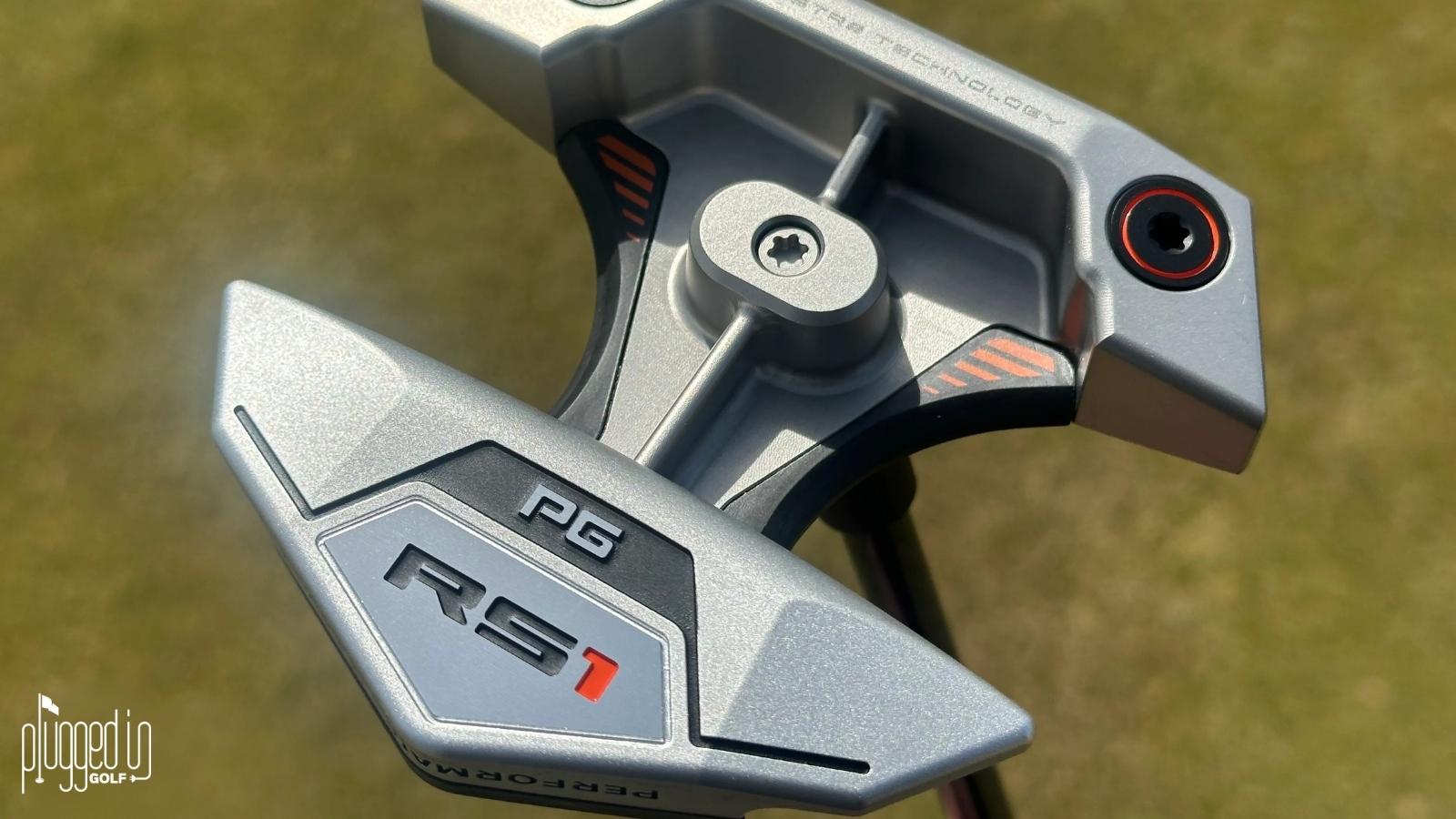
The Zero-Torque Arms Race: Inside Performance Golf’s Bid to Topple L.A.B.
As Performance Golf unleashes the RS1 to challenge lie-angle balancing supremacy, the modern green has become an uncompromising battleground for pure forgiveness.
The modern putting landscape has spent the past two seasons bowing to a single engineering doctrine: eliminate torque, stabilize the face, and render rotational manipulation entirely obsolete. What began as a fringe revolution championed by L.A.B. Golf has rapidly evolved into an open market brawl. Now, the battlefield widens with the arrival of Performance Golf’s RS1, a high-stakes contender designed explicitly to unseat the category’s undisputed heavyweight.The modern putting landscape has spent the past two seasons bowing to a single engineering doctrine: eliminate torque, stabilize the face, and render rotational manipulation entirely obsolete. What began as a fringe revolution championed by L.A.B. Golf has rapidly evolved into an open market brawl. Now, the battlefield widens with the arrival of Performance Golf’s RS1, a high-stakes contender designed explicitly to unseat the category’s undisputed heavyweight.
First-look assessments and course tests from gear analysts at MODRN GOLF highlight just how aggressive the RS1’s positioning has become. Built to go toe-to-toe with L.A.B.’s lie-angle balanced juggernauts, the RS1 represents an industry-wide pivot toward total stroke stabilization. Rather than asking players to manage face rotation through impact, the design philosophy relies on intricate perimeter weighting and low-torque geometry to keep the blade locked square through the strike.First-look assessments and course tests from gear analysts at MODRN GOLF highlight just how aggressive the RS1’s positioning has become. Built to go toe-to-toe with L.A.B.’s lie-angle balanced juggernauts, the RS1 represents an industry-wide pivot toward total stroke stabilization. Rather than asking players to manage face rotation through impact, the design philosophy relies on intricate perimeter weighting and low-torque geometry to keep the blade locked square through the strike.
This obsession with mechanical stability feels even more pronounced when contrasted against the sport's traditional roots. Players revisiting vintage gear—from Texas Shackelford blades to classic Ping Eye 2 setups—are routinely shocked by the stark physical disparity: vintage flatsticks are significantly lighter with virtually zero perimeter forgiveness, requiring golfers to actively muscle strokes just to get the ball rolling to the hole. The modern putter, by contrast, acts as a high-inertia kinetic pendulum.This obsession with mechanical stability feels even more pronounced when contrasted against the sport's traditional roots. Players revisiting vintage gear—from Texas Shackelford blades to classic Ping Eye 2 setups—are routinely shocked by the stark physical disparity: vintage flatsticks are significantly lighter with virtually zero perimeter forgiveness, requiring golfers to actively muscle strokes just to get the ball rolling to the hole. The modern putter, by contrast, acts as a high-inertia kinetic pendulum.
That demand for relentless stability is echoed across competitive circuits, where equipment manufacturers are flooding tour bags with radical designs. From Odyssey’s push into high-MOI geometric shapes to on-site testing witnessed at the PGA Tour Champions’ Simmons Bank Championship, veteran players and amateur tinkerers alike are abandoning light, flicky blades in favor of heavy-headed, torque-resistant platforms that refuse to twist on off-center hits.
The arrival of the RS1 proves that zero-torque engineering is no longer a niche design curiosity confined to one boutique brand. As mainstream clubmakers and digital-first outfits attempt to solve the biomechanical friction of the putting stroke, the fight on the greens is no longer about feel—it is an uncompromising contest of structural physics.The arrival of the RS1 proves that zero-torque engineering is no longer a niche design curiosity confined to one boutique brand. As mainstream clubmakers and digital-first outfits attempt to solve the biomechanical friction of the putting stroke, the fight on the greens is no longer about feel—it is an uncompromising contest of structural physics.
Gallery
"A lot lighter than a modern putter with zero forgiveness—I had to hit it really hard to get it to the hole."
Why it matters
The zero-torque putter category is moving from a single-brand monopoly into a contested commercial arms race. As designs like the RS1 take aim at L.A.B. Golf, the shift toward maximum-stability, anti-rotational putters will permanently redefine standard putting mechanics across all skill levels.
Sources
- 1.
- 2.
- 3.
- 4.
Reported by the Downforce & Divots desk from the sources above.
The clubhouse.
- No replies yet. Be the first.