The Synthetic Symphony: Why the Electric Lexus LFA Successor Is Simulating the Past
Fresh prototype spy shots reveal Lexus is inching its battery-powered halo toward production—complete with artificial engine notes and simulated shifts.
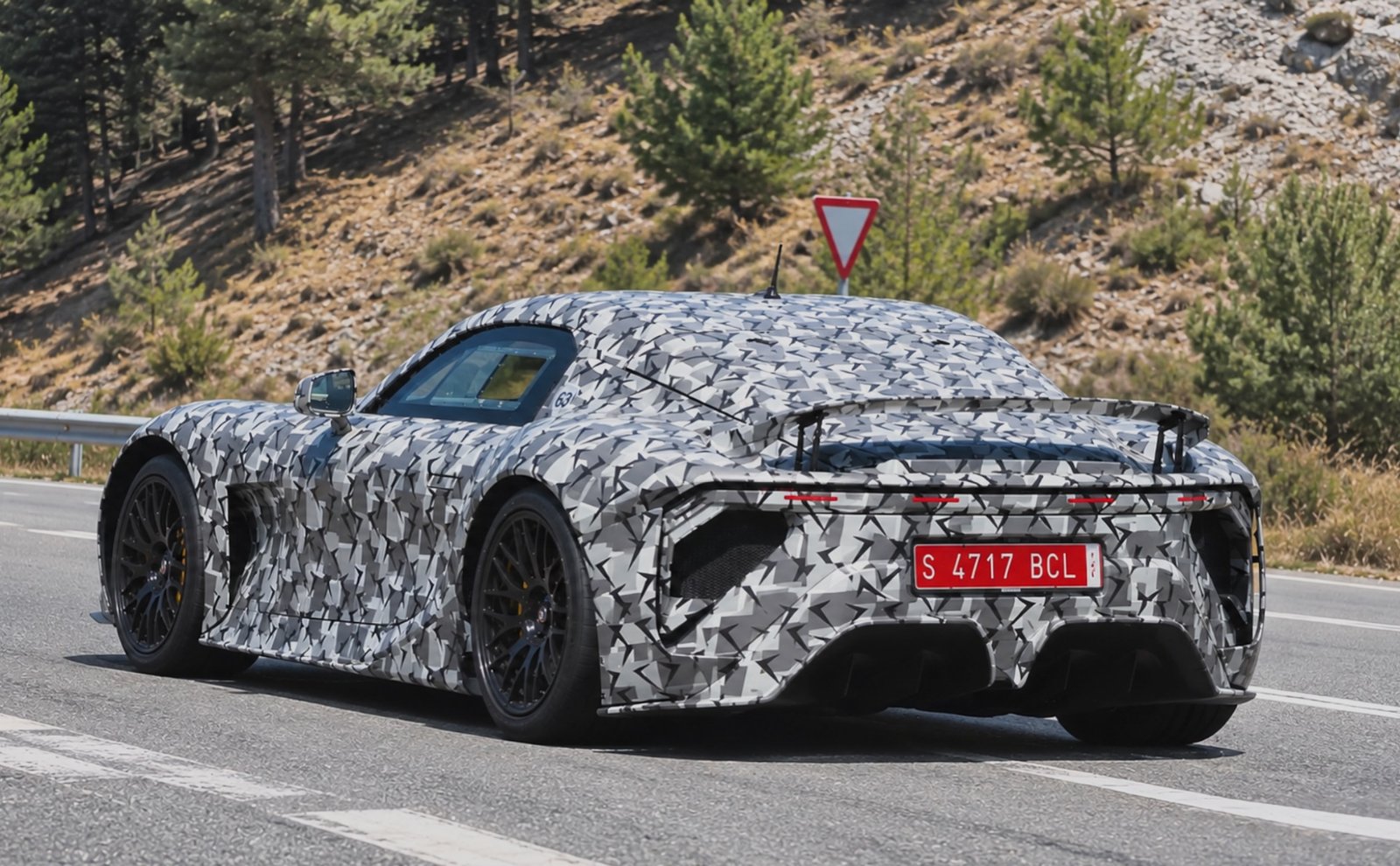
Replacing a legend is perilous work, but replacing an acoustic deity is near impossible. Ever since the original Lexus LFA ceased production after a five-hundred-car run, its screaming 4.8-litre, Yamaha-tuned V10 has remained the high-water mark for modern automotive theater. Now, fresh spy photos of Lexus’s electric halo car prototype confirm that Toyota's luxury division is moving from design-study bravado into the gritty reality of road validation.Replacing a legend is perilous work, but replacing an acoustic deity is near impossible. Ever since the original Lexus LFA ceased production after a five-hundred-car run, its screaming 4.8-litre, Yamaha-tuned V10 has remained the high-water mark for modern automotive theater. Now, fresh spy photos of Lexus’s electric halo car prototype confirm that Toyota's luxury division is moving from design-study bravado into the gritty reality of road validation.
The newly captured test mule shows the low-slung, cab-rearward silhouette inching decisively toward production reality. While the sleek sheet metal borrows heavily from the dramatic proportions first teased in concept form, the road-going details—functional cooling apertures, aerodynamic cuts, and production-spec lighting arrangements—signal that development has advanced well beyond mere clay modeling.The newly captured test mule shows the low-slung, cab-rearward silhouette inching decisively toward production reality. While the sleek sheet metal borrows heavily from the dramatic proportions first teased in concept form, the road-going details—functional cooling apertures, aerodynamic cuts, and production-spec lighting arrangements—signal that development has advanced well beyond mere clay modeling.
The real intrigue, however, lies beneath the skin and within the digital control modules. Recognizing that silent, one-gear electric acceleration often leaves sports car purists cold, Lexus engineers are baking simulated gear changes and synthesized engine harmonics directly into the electric supercar’s software architecture. It is an audacious attempt to replicate mechanical soul inside a digital powertrain.The real intrigue, however, lies beneath the skin and within the digital control modules. Recognizing that silent, one-gear electric acceleration often leaves sports car purists cold, Lexus engineers are baking simulated gear changes and synthesized engine harmonics directly into the electric supercar’s software architecture. It is an audacious attempt to replicate mechanical soul inside a digital powertrain.
This synthetic engagement strategy highlights an industry-wide pivot. As performance divisions across Germany and Japan prepare their next-generation flagships—BMW, for instance, is actively showcasing bold, wide-track concepts previewing an electric M3 for around 2027—the battleground has shifted from raw zero-to-sixty times to tactile driver connection. Flat-out torque is already a solved commodity; genuine emotional feedback is not.This synthetic engagement strategy highlights an industry-wide pivot. As performance divisions across Germany and Japan prepare their next-generation flagships—BMW, for instance, is actively showcasing bold, wide-track concepts previewing an electric M3 for around 2027—the battleground has shifted from raw zero-to-sixty times to tactile driver connection. Flat-out torque is already a solved commodity; genuine emotional feedback is not.
Whether artificial rev limits and programmed torque dips can truly satisfy drivers who remember the searing howl of the original LFA remains the ultimate test. But as the camouflaged prototype logs development miles, Lexus appears fully committed to proving that electrification does not have to mean the death of driver theater.Whether artificial rev limits and programmed torque dips can truly satisfy drivers who remember the searing howl of the original LFA remains the ultimate test. But as the camouflaged prototype logs development miles, Lexus appears fully committed to proving that electrification does not have to mean the death of driver theater.
Gallery
"Lexus is developing an electric successor to the legendary LFA, which will likely have simulated shifts and engine sounds."
Why it matters
Replacing the naturally aspirated V10 of the original LFA with electric motors is an immense engineering and emotional gamble. By baking simulated gearboxes and acoustic feedback into the platform, Lexus is trying to prove that high-voltage performance can still deliver authentic driver engagement.
Sources
- 1.
- 2.
- 3.
- 4.
Reported by the Downforce & Divots desk from the sources above.
The clubhouse.
- No replies yet. Be the first.