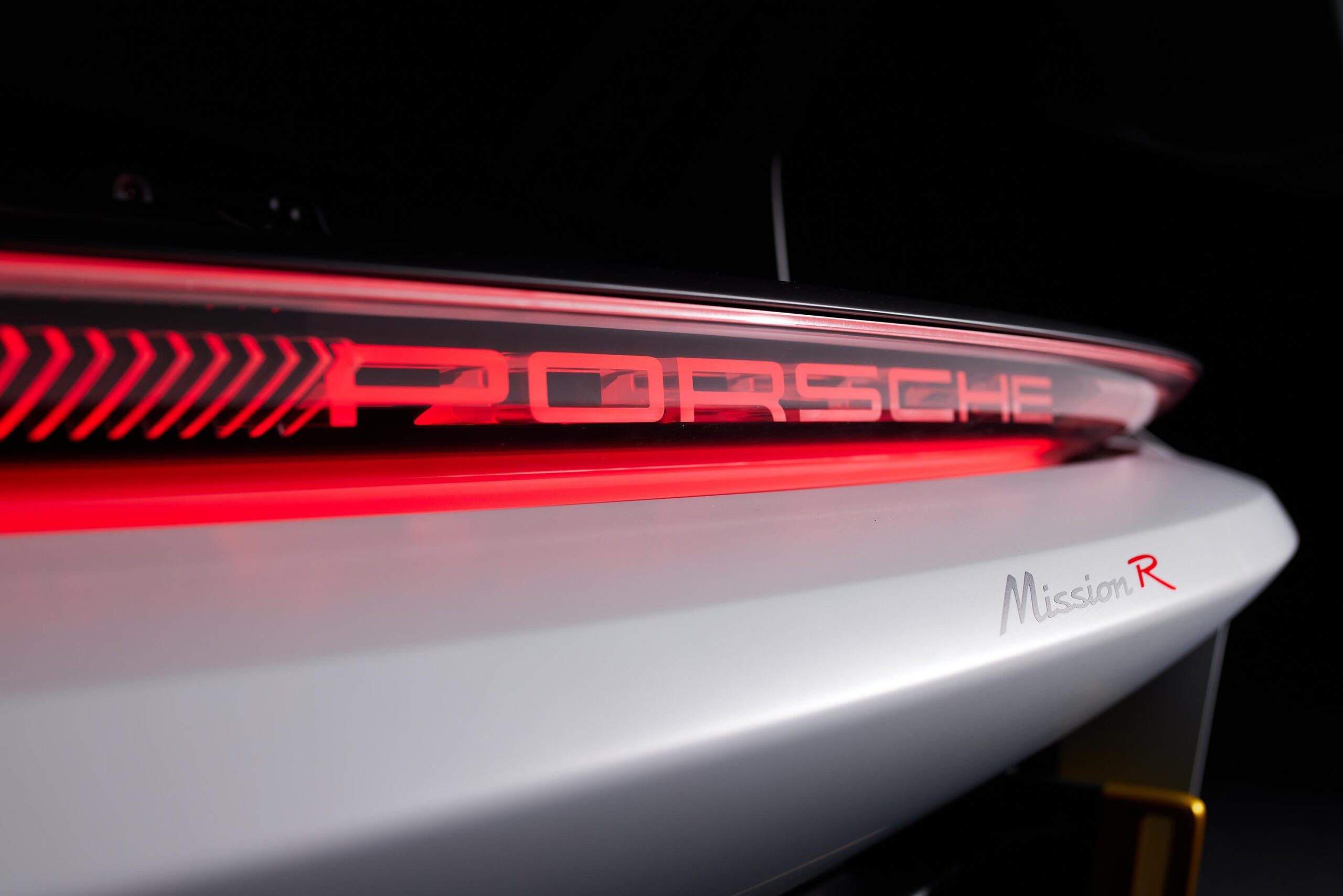
The Shared-Bones Strategy: Why Porsche’s Next Supercar May Wear Ingolstadt DNA
As Zuffenhausen restructures and streamlines its portfolio, Michael Leiters looks toward VW Group platform synergies to deliver the brand’s first true flagship since the 918 Spyder.
In the twelve years since the 918 Spyder concluded its limited production run, Porsche’s top shelf has relied on hardcore GT3 RS derivatives and bespoke one-offs to hold the performance high ground. Yet the true mid-engined flagship space in Stuttgart has remained vacant. Now, facing an internal restructuring marked by anticipated job cuts and a sharp rationalisation of overlapping variants, Porsche is quietly rethinking how it builds its next apex predator.In the twelve years since the 918 Spyder concluded its limited production run, Porsche’s top shelf has relied on hardcore GT3 RS derivatives and bespoke one-offs to hold the performance high ground. Yet the true mid-engined flagship space in Stuttgart has remained vacant. Now, facing an internal restructuring marked by anticipated job cuts and a sharp rationalisation of overlapping variants, Porsche is quietly rethinking how it builds its next apex predator.
At the heart of this recalibration is chief executive Michael Leiters, who has openly identified portfolio bloat as a hurdle to brand efficiency. Leiters has noted that Porsche’s line-up currently holds too many variants with excessive overlap. The corporate remedy is two-pronged: streamline model catalogues to protect profit margins, and lean into platform sharing across the wider Volkswagen Group to shoulder massive development costs.At the heart of this recalibration is chief executive Michael Leiters, who has openly identified portfolio bloat as a hurdle to brand efficiency. Leiters has noted that Porsche’s line-up currently holds too many variants with excessive overlap. The corporate remedy is two-pronged: streamline model catalogues to protect profit margins, and lean into platform sharing across the wider Volkswagen Group to shoulder massive development costs.
That strategy points directly toward shared mid-engined architecture. Audi recently staked its claim in the ultra-luxury tier with the Nuvolari—a $701,000 limited-production supercar designed to herald a bolder design chapter for the German manufacturer. Rather than pouring billions into an isolated, ground-up chassis, Porsche is weighing whether following the Nuvolari’s group-engineered framework—which connects back to Lamborghini’s mid-engine know-how—could finally yield a commercially viable 918 successor.That strategy points directly toward shared mid-engined architecture. Audi recently staked its claim in the ultra-luxury tier with the Nuvolari—a $701,000 limited-production supercar designed to herald a bolder design chapter for the German manufacturer. Rather than pouring billions into an isolated, ground-up chassis, Porsche is weighing whether following the Nuvolari’s group-engineered framework—which connects back to Lamborghini’s mid-engine know-how—could finally yield a commercially viable 918 successor.
This platform pragmatism also forces a strategic rethink of Porsche's all-electric hypercar ambitions. While the Mission X concept captured headlines as an electrified torchbearer, global appetite for eight-figure battery halos remains complicated, whereas ultra-profitable combustion and hybrid halo models deliver immediate returns. Aligning with existing group architecture allows Stuttgart to extract massive margins without bearing the full weight of unilateral development costs.This platform pragmatism also forces a strategic rethink of Porsche's all-electric hypercar ambitions. While the Mission X concept captured headlines as an electrified torchbearer, global appetite for eight-figure battery halos remains complicated, whereas ultra-profitable combustion and hybrid halo models deliver immediate returns. Aligning with existing group architecture allows Stuttgart to extract massive margins without bearing the full weight of unilateral development costs.
To capture top-end collector margins while platforms are shared underneath, Porsche is simultaneously doubling down on its bespoke Sonderwunsch program. Paired with platform integration—including adopting Audi’s Premium Platform Combustion architecture for core models—the marque is insulating its balance sheet while catering to demanding individual commissions.To capture top-end collector margins while platforms are shared underneath, Porsche is simultaneously doubling down on its bespoke Sonderwunsch program. Paired with platform integration—including adopting Audi’s Premium Platform Combustion architecture for core models—the marque is insulating its balance sheet while catering to demanding individual commissions.
Purists might wince at the thought of a flagship Porsche sharing structural DNA with Ingolstadt and Sant'Agata. But in a landscape defined by strict capital discipline, corporate synergy may be the only realistic route to putting a genuine mid-engined Porsche supercar back on the road.Purists might wince at the thought of a flagship Porsche sharing structural DNA with Ingolstadt and Sant'Agata. But in a landscape defined by strict capital discipline, corporate synergy may be the only realistic route to putting a genuine mid-engined Porsche supercar back on the road.
"Porsche’s line-up currently includes too many variants and there’s more overlap between models than he’d like."
Why it matters
Porsche must balance severe cost pressures and job cuts against the commercial necessity of a halo car. By sharing platform architecture with Audi and Lamborghini, Zuffenhausen can deliver an elusive 918 Spyder successor without bankrupting its R&D budget.
Sources
- 1.
- 2.
- 3.
- 4.
Reported by the Downforce & Divots desk from the sources above.
The clubhouse.
- No replies yet. Be the first.