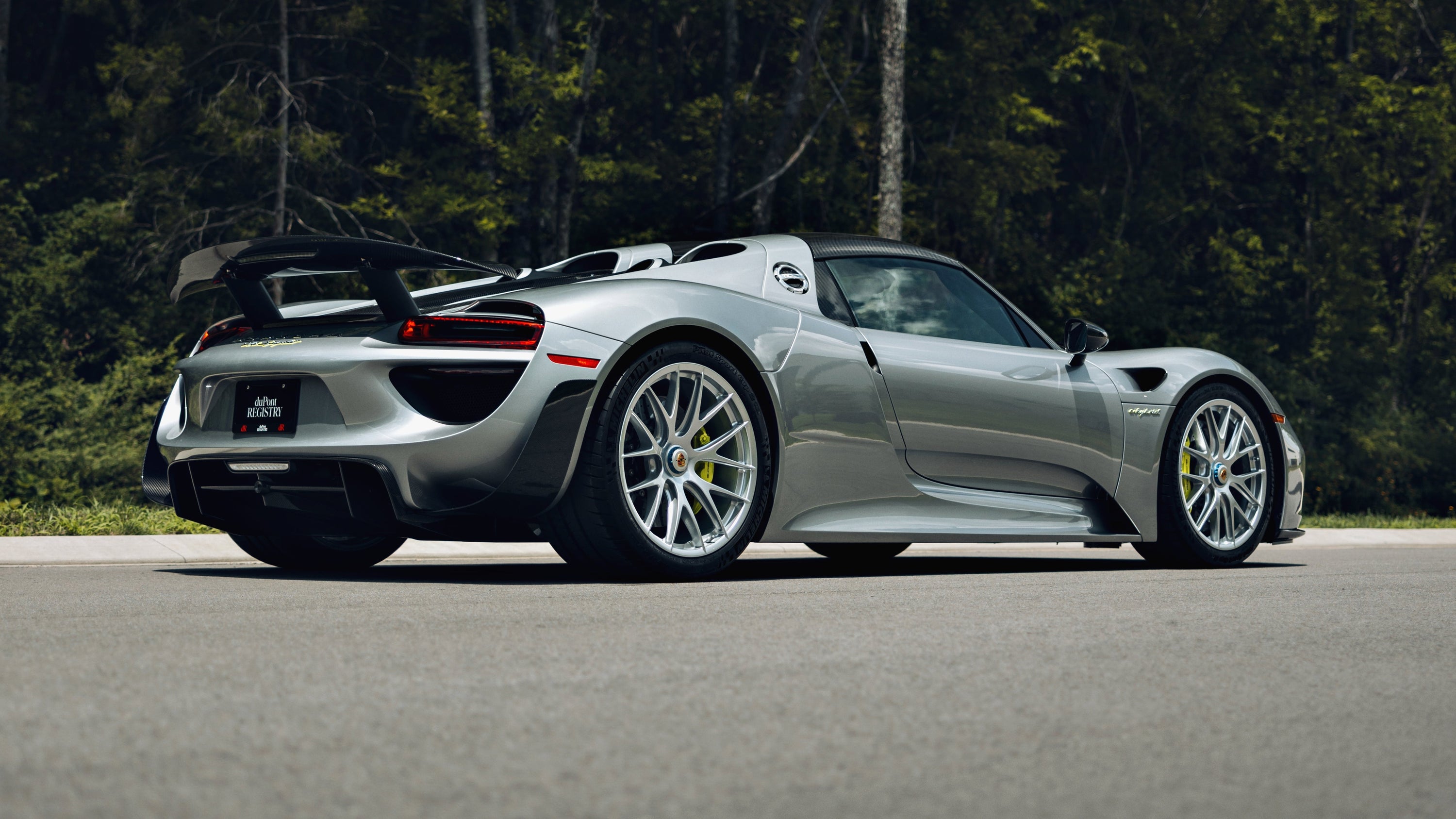
The Nuvolari Conundrum: Can Porsche Share Its Next Halo?
As the shadow of the 918 Spyder lengthens, Stuttgart weighs platform pragmatism against bespoke hypercar purity.
More than a decade after the hybrid Holy Trinity redefined the upper stratosphere of performance motoring, the hypercar landscape remains haunted by the benchmarks set by the Porsche 918 Spyder, McLaren P1, and Ferrari LaFerrari. While Maranello and Woking have relentlessly pushed forward with track-honed specials and fresh halo blueprints, Zuffenhausen has exercised deliberate restraint. The 918’s plug-in V8 architecture proved that electrification could serve sheer ballistic pace without sacrificing dynamic poise, but crafting its legitimate heir has become an exercise in strategic calculation.More than a decade after the hybrid Holy Trinity redefined the upper stratosphere of performance motoring, the hypercar landscape remains haunted by the benchmarks set by the Porsche 918 Spyder, McLaren P1, and Ferrari LaFerrari. While Maranello and Woking have relentlessly pushed forward with track-honed specials and fresh halo blueprints, Zuffenhausen has exercised deliberate restraint. The 918’s plug-in V8 architecture proved that electrification could serve sheer ballistic pace without sacrificing dynamic poise, but crafting its legitimate heir has become an exercise in strategic calculation.
The central question now circling Stuttgart’s boardrooms is not whether Porsche needs a flagship, but how to justify the staggering capital expenditure required to build one. With modern hypercars commanding stratospheric engineering budgets amidst tightening global emissions and software complexities, the prospect of leveraging shared Volkswagen Group architecture—specifically drawing from Audi's Nuvolari project—has emerged as a compelling, if controversial, proposition. From a pure balance-sheet perspective, amortizing high-voltage battery architecture, carbon-tub tooling, and advanced thermal management across group siblings makes undeniable financial sense.The central question now circling Stuttgart’s boardrooms is not whether Porsche needs a flagship, but how to justify the staggering capital expenditure required to build one. With modern hypercars commanding stratospheric engineering budgets amidst tightening global emissions and software complexities, the prospect of leveraging shared Volkswagen Group architecture—specifically drawing from Audi's Nuvolari project—has emerged as a compelling, if controversial, proposition. From a pure balance-sheet perspective, amortizing high-voltage battery architecture, carbon-tub tooling, and advanced thermal management across group siblings makes undeniable financial sense.
Yet shared bones carry immense philosophical risk for a brand whose halo lineage flows directly from bespoke legends like the 959, the Carrera GT, and the 918. When collectors cross-shop top-tier exotica against the likes of the Bugatti Chiron Super Sport 300+ or McLaren's track-focused Senna, bespoke provenance is often the primary currency. A hypercar sharing fundamental modular hardpoints with an Audi risks diluting the uncompromising individual character that turned the 918 into a generational icon.Yet shared bones carry immense philosophical risk for a brand whose halo lineage flows directly from bespoke legends like the 959, the Carrera GT, and the 918. When collectors cross-shop top-tier exotica against the likes of the Bugatti Chiron Super Sport 300+ or McLaren's track-focused Senna, bespoke provenance is often the primary currency. A hypercar sharing fundamental modular hardpoints with an Audi risks diluting the uncompromising individual character that turned the 918 into a generational icon.
For now, Porsche remains non-committal, confirming nothing publicly while engineers quietly study the technical and commercial viability of a Nuvolari-derived halo. If Porsche does greenlight a platform-shared flagship, the burden will fall squarely on Weissach’s chassis and software wizards to disguise the lineage beneath transformative dynamics and blistering lap times. Until then, the hypercar pantheon waits to see if Stuttgart's next apex predator will be a singular, hand-crafted tour de force or the ultimate triumph of corporate platform synergy.For now, Porsche remains non-committal, confirming nothing publicly while engineers quietly study the technical and commercial viability of a Nuvolari-derived halo. If Porsche does greenlight a platform-shared flagship, the burden will fall squarely on Weissach’s chassis and software wizards to disguise the lineage beneath transformative dynamics and blistering lap times. Until then, the hypercar pantheon waits to see if Stuttgart's next apex predator will be a singular, hand-crafted tour de force or the ultimate triumph of corporate platform synergy.
Gallery
"While it makes financial sense, nothing is confirmed."
Why it matters
Developing a standalone hypercar in today's regulatory and financial climate is prohibitively expensive even for Porsche. Leveraging group platforms like the Audi Nuvolari could deliver Stuttgart's next halo faster, but it risks alienating collectors who demand pure, unshared provenance.
Sources
- 1.
- 2.
- 3.
- 4.
Reported by the Downforce & Divots desk from the sources above.
The clubhouse.
- No replies yet. Be the first.